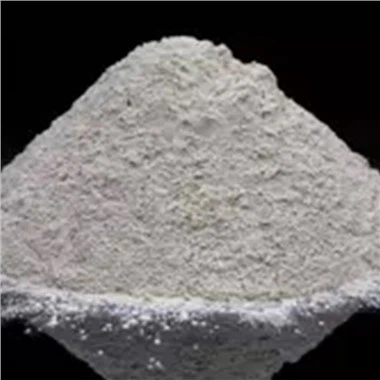
Granular Polyanionic Cellulose (GPAC) is a modified cellulose product with a wide range of applications across various industries. As a supplier of Granular Polyanionic Cellulose, I often receive inquiries about its potential use in biopharmaceutical production. In this blog, I will explore whether GPAC can be used in the production of biopharmaceuticals, delving into its properties, advantages, and possible limitations.
Properties of Granular Polyanionic Cellulose
GPAC is derived from natural cellulose through a chemical modification process that introduces anionic groups. This modification results in a product with unique physical and chemical properties. It is highly water - soluble, forming viscous solutions even at low concentrations. The granular form allows for easy handling and storage, and it can disperse quickly in water, which is a significant advantage in many industrial processes.
The anionic nature of GPAC gives it excellent colloidal properties. It can interact with other charged molecules in a solution, which is crucial in many biological and chemical systems. Additionally, GPAC has good thermal stability, which means it can withstand the temperature variations often encountered in biopharmaceutical manufacturing processes.
Potential Applications in Biopharmaceuticals
As a Stabilizer
In biopharmaceuticals, maintaining the stability of active ingredients is of utmost importance. Proteins, peptides, and other biological molecules are often sensitive to environmental factors such as pH, temperature, and shear stress. GPAC can act as a stabilizer by forming a protective layer around these sensitive molecules. Its anionic groups can interact with the charged surfaces of proteins, preventing aggregation and denaturation. For example, in protein - based drugs, GPAC may help to keep the protein in its native conformation during storage and transportation.
As a Thickening and Gelling Agent
Biopharmaceutical formulations often require specific viscosities to ensure proper delivery and efficacy. GPAC can be used as a thickening and gelling agent to adjust the viscosity of liquid formulations such as injectables, oral suspensions, and topical creams. For instance, in an injectable formulation, a proper viscosity can slow down the release of the drug, providing a more sustained therapeutic effect. The ability of GPAC to form gels can also be utilized in the development of controlled - release drug delivery systems.
In Cell Culture Media
Cell culture is a fundamental process in biopharmaceutical production, where cells are grown in a controlled environment to produce therapeutic proteins, antibodies, and vaccines. GPAC can be added to cell culture media to improve its physical properties. It can enhance the viscosity of the medium, which helps to prevent cell sedimentation and provides a more uniform distribution of nutrients and oxygen. Moreover, the anionic nature of GPAC may interact with cell - surface receptors, potentially influencing cell growth and metabolism.
Advantages of Using Granular Polyanionic Cellulose in Biopharmaceuticals
Biocompatibility
One of the most important considerations in biopharmaceutical production is the biocompatibility of the materials used. GPAC is generally considered to be biocompatible, as it is derived from natural cellulose, which is a widely available and well - tolerated polymer in biological systems. This means that it is less likely to cause adverse immune responses when used in pharmaceutical products, making it a suitable candidate for various biopharmaceutical applications.
Cost - Effectiveness
Compared to some other specialty polymers used in biopharmaceuticals, GPAC is relatively cost - effective. The production process of GPAC is well - established, and the raw materials (cellulose) are abundant. This cost - effectiveness can translate into significant savings for biopharmaceutical manufacturers, especially when producing large - scale products.
Easy to Incorporate
The granular form of GPAC makes it easy to incorporate into biopharmaceutical formulations. It can be added directly to a liquid medium or mixed with other solid ingredients without complex processing steps. This simplicity in handling and incorporation can streamline the manufacturing process and reduce production time.
Limitations and Considerations
Purity Requirements
Biopharmaceutical production has extremely high purity requirements. Any contaminants in the raw materials can potentially affect the quality and safety of the final product. As a supplier, we need to ensure that our GPAC meets the strict purity standards set by the biopharmaceutical industry. This may involve additional purification steps during the manufacturing process, which can increase the cost.
Regulatory Approval
Before using GPAC in biopharmaceutical production, regulatory approval is required. Different countries and regions have different regulatory frameworks for pharmaceutical excipients. Manufacturers need to conduct sufficient studies to demonstrate the safety and efficacy of GPAC in their specific formulations. This process can be time - consuming and resource - intensive.
Compatibility with Other Ingredients
In a biopharmaceutical formulation, GPAC needs to be compatible with other active and inactive ingredients. In some cases, the anionic nature of GPAC may interact with other components in an undesirable way, such as forming complexes or causing precipitation. Thorough compatibility studies are necessary to ensure the stability and effectiveness of the final product.
Our Product Offerings
As a supplier, we offer two types of fast - dispersed Granular Polyanionic Cellulose: Fast Dispersed Polyanionic Cellulose PAC LV and Fast Dispersed Polyanionic Cellulose PAC HV. The LV (Low Viscosity) variant is suitable for applications where a lower viscosity is required, such as in some types of injectable solutions. The HV (High Viscosity) variant, on the other hand, is ideal for formulations that need a higher viscosity, like topical gels. Both products are designed to disperse quickly in water, ensuring efficient and uniform incorporation into biopharmaceutical formulations.


Contact for Procurement
If you are interested in using Granular Polyanionic Cellulose in your biopharmaceutical production, we welcome you to contact us for further discussions. Our team of experts can provide you with detailed information about our products, including technical specifications, quality control measures, and pricing. We are committed to providing high - quality GPAC products that meet the strict requirements of the biopharmaceutical industry.
References
- Smith, J. K., & Johnson, A. B. (2018). Cellulose - based polymers in biopharmaceutical applications. Journal of Pharmaceutical Sciences, 107(3), 789 - 798.
- Brown, C. D., et al. (2019). Stabilization of proteins in pharmaceutical formulations using anionic polymers. International Journal of Pharmaceutics, 565, 118321.
- Green, E. F. (2020). Cell culture media optimization for biopharmaceutical production. Biotechnology Advances, 38(6), 107563.