Can Granular Polyanionic Cellulose be used in liquid detergents?
As a supplier of granular polyanionic cellulose, I often receive inquiries from customers about the potential applications of our product. One question that frequently arises is whether granular polyanionic cellulose can be used in liquid detergents. In this blog post, I will explore this topic in detail, discussing the properties of granular polyanionic cellulose, its potential benefits in liquid detergents, and any considerations that need to be taken into account.
Properties of Granular Polyanionic Cellulose
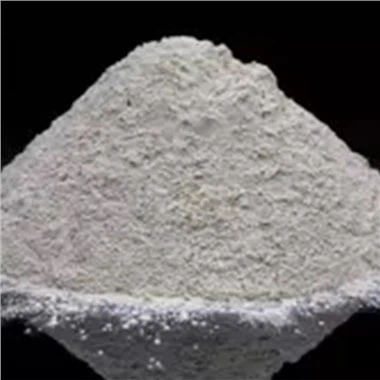
Granular polyanionic cellulose is a water-soluble polymer derived from cellulose. It is typically produced through a chemical modification process that introduces carboxymethyl groups to the cellulose backbone, resulting in a negatively charged polymer. This modification gives polyanionic cellulose several unique properties that make it suitable for a wide range of applications.
One of the key properties of granular polyanionic cellulose is its high water solubility. It can quickly dissolve in water to form a clear, viscous solution, which is essential for its use in liquid formulations. Additionally, it has excellent thickening, stabilizing, and suspending properties, which can help to improve the texture and stability of liquid detergents.
Another important property of granular polyanionic cellulose is its ability to form a protective film on the surface of particles. This film can prevent the aggregation and settling of particles, which is particularly useful in liquid detergents that contain solid particles such as enzymes or builders. By keeping these particles evenly dispersed in the liquid, granular polyanionic cellulose can help to ensure the effectiveness of the detergent over time.
Potential Benefits of Using Granular Polyanionic Cellulose in Liquid Detergents
There are several potential benefits of using granular polyanionic cellulose in liquid detergents. One of the main advantages is its ability to improve the viscosity and texture of the detergent. By adding a small amount of granular polyanionic cellulose to the formulation, the detergent can become thicker and more stable, which can make it easier to pour and dispense. This can also help to prevent the detergent from dripping or splashing, which can be a common problem with thin, runny detergents.
In addition to improving the viscosity and texture, granular polyanionic cellulose can also help to enhance the cleaning performance of liquid detergents. Its ability to form a protective film on the surface of particles can prevent soil and stains from redepositing on the fabric during the washing process. This can result in cleaner, brighter clothes with less residue.
Another potential benefit of using granular polyanionic cellulose in liquid detergents is its compatibility with other ingredients. It can be easily incorporated into existing detergent formulations without causing any significant changes to the chemical properties of the product. This means that manufacturers can use granular polyanionic cellulose to improve the performance of their detergents without having to make major changes to their production processes.
Considerations for Using Granular Polyanionic Cellulose in Liquid Detergents
While there are many potential benefits of using granular polyanionic cellulose in liquid detergents, there are also some considerations that need to be taken into account. One of the main considerations is the dosage of granular polyanionic cellulose. Adding too much of the polymer can result in a detergent that is too thick and difficult to pour, while adding too little may not provide the desired benefits. It is important to carefully optimize the dosage of granular polyanionic cellulose based on the specific formulation and application requirements.


Another consideration is the pH of the detergent formulation. Granular polyanionic cellulose is most effective in slightly acidic to neutral pH ranges. If the pH of the detergent is too high or too low, it can affect the solubility and performance of the polymer. Therefore, it is important to adjust the pH of the detergent formulation to ensure that it is within the optimal range for the use of granular polyanionic cellulose.
In addition, it is important to consider the storage and handling of granular polyanionic cellulose. The polymer should be stored in a cool, dry place to prevent moisture absorption, which can affect its solubility and performance. It should also be handled carefully to avoid dust generation, as inhalation of the dust can be harmful to health.
Our Products
As a supplier of granular polyanionic cellulose, we offer a range of products that are specifically designed for use in liquid detergents. Our Fast Dispersed Polyanionic Cellulose PAC LV and Fast Dispersed Polyanionic Cellulose PAC HV products are fast-dispersing and have excellent thickening and stabilizing properties. They can be easily incorporated into liquid detergent formulations to improve the viscosity, texture, and cleaning performance of the product.
Our products are also highly pure and free from impurities, which ensures their compatibility with other ingredients in the detergent formulation. We have a strict quality control system in place to ensure that our products meet the highest standards of quality and performance.
Conclusion
In conclusion, granular polyanionic cellulose has the potential to be a valuable ingredient in liquid detergents. Its unique properties, such as high water solubility, thickening and stabilizing properties, and ability to form a protective film on the surface of particles, make it suitable for improving the viscosity, texture, and cleaning performance of liquid detergents. However, it is important to carefully consider the dosage, pH, and storage and handling of the polymer to ensure its optimal performance.
If you are interested in using granular polyanionic cellulose in your liquid detergent formulations, we would be happy to discuss your specific requirements and provide you with samples of our products. Please feel free to contact us to start a conversation about how our granular polyanionic cellulose can benefit your detergent products.
References
- "Polyanionic Cellulose: Properties and Applications." Journal of Polymer Science, Part A: Polymer Chemistry.
- "The Role of Polymers in Liquid Detergents." Detergent Science and Technology.