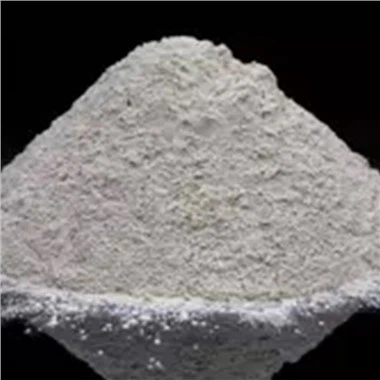
Hey there! As a supplier of Polyanionic Cellulose PAC LV, I often get asked about the viscosity of its solutions. So, I thought I'd take some time to break it down for you in this blog post.
What is Polyanionic Cellulose PAC LV?
First things first, let's quickly go over what Polyanionic Cellulose PAC LV is. Polyanionic Cellulose PAC LV is a water-soluble polymer that's widely used in the oil and gas industry, especially in drilling fluids. It's a type of cellulose derivative that has been chemically modified to have a negative charge, which gives it some pretty cool properties.
PAC LV stands for "Low Viscosity". Compared to other types of polyanionic cellulose like Polyanionic Cellulose PAC HV (High Viscosity) and Polyanionic Cellulose PAC DLV (Drilling Low Viscosity), PAC LV has a lower molecular weight and thus a lower viscosity in solution.
Understanding Viscosity
Viscosity is basically a measure of a fluid's resistance to flow. Think of it like this: honey is more viscous than water because it flows more slowly. In the context of PAC LV solutions, viscosity is a crucial property. It affects how the drilling fluid behaves in the wellbore. A drilling fluid with the right viscosity can help carry cuttings to the surface, maintain wellbore stability, and prevent fluid loss.
Factors Affecting the Viscosity of PAC LV Solutions
Concentration
One of the most obvious factors is the concentration of PAC LV in the solution. As you increase the amount of PAC LV in water, the viscosity of the solution goes up. This is because there are more polymer molecules in the solution, and they start to interact with each other, creating a more tangled network that resists flow. For example, a 1% PAC LV solution will have a lower viscosity than a 2% solution.
Temperature
Temperature also plays a big role. Generally, as the temperature of the PAC LV solution increases, the viscosity decreases. This is because higher temperatures give the polymer molecules more energy to move around, which breaks up some of the intermolecular interactions that contribute to viscosity. In the oil and gas industry, where drilling can take place at different depths with varying temperatures, it's important to consider how temperature will affect the viscosity of the PAC LV solution.
pH
The pH of the solution can impact viscosity too. PAC LV is most stable and effective within a certain pH range. If the pH is too low or too high, the polymer can start to degrade or change its conformation, which can either increase or decrease the viscosity. Usually, a slightly alkaline pH is preferred for PAC LV solutions to maintain optimal viscosity.


Salinity
Salinity refers to the amount of salt in the solution. When you add salts to a PAC LV solution, the ions in the salt can interact with the negatively charged polymer molecules. In some cases, this can cause the polymer to coil up more tightly, reducing the viscosity. However, the effect of salinity can be complex and depends on the type and concentration of the salts.
Measuring the Viscosity of PAC LV Solutions
There are several ways to measure the viscosity of PAC LV solutions. One common method is using a viscometer. A viscometer works by measuring the force required to rotate a spindle or cylinder in the solution. The more viscous the solution, the more force is needed to turn the spindle at a given speed.
Another way is through rheological testing, which looks at how the solution behaves under different types of stress. This can give you a more detailed understanding of the solution's flow properties, including its viscosity at different shear rates.
Why Viscosity Matters in Drilling Applications
In the oil and gas drilling industry, having the right viscosity in the drilling fluid is essential. If the viscosity is too low, the drilling fluid won't be able to carry the cuttings effectively to the surface. The cuttings can then settle at the bottom of the wellbore, causing problems like stuck pipes and reduced drilling efficiency.
On the other hand, if the viscosity is too high, it can increase the pressure required to pump the drilling fluid through the wellbore. This can put extra strain on the equipment and increase the risk of wellbore instability.
How Our PAC LV Compares
As a supplier, I'm proud to say that our Polyanionic Cellulose PAC LV offers excellent viscosity control. We've optimized the manufacturing process to ensure consistent quality and performance. Our PAC LV can achieve the desired viscosity at relatively low concentrations, which means you can save on costs.
It also has good temperature and salinity tolerance, so it can maintain its viscosity even in challenging drilling environments. Whether you're drilling in a shallow well with low temperatures or a deep well with high temperatures and high salinity, our PAC LV can deliver reliable results.
Conclusion
So, there you have it - a breakdown of the viscosity of Polyanionic Cellulose PAC LV solutions. Understanding the factors that affect viscosity and how to measure it is crucial for anyone using PAC LV in the oil and gas industry.
If you're in the market for high-quality PAC LV, we'd love to hear from you. Whether you have questions about viscosity, need samples for testing, or want to discuss your specific requirements, don't hesitate to reach out. We're here to help you find the best solution for your drilling needs.
References
- Smith, J. (2018). "Properties of Polyanionic Cellulose in Drilling Fluids". Journal of Petroleum Science and Engineering.
- Johnson, A. (2019). "The Effect of Temperature and Salinity on Polymer Viscosity". International Journal of Oil and Gas Technology.