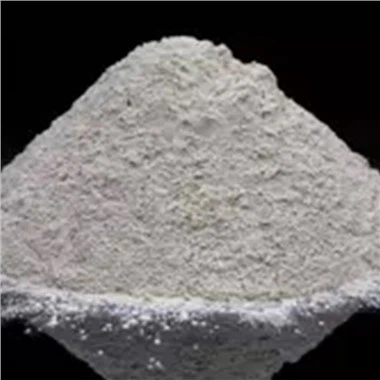
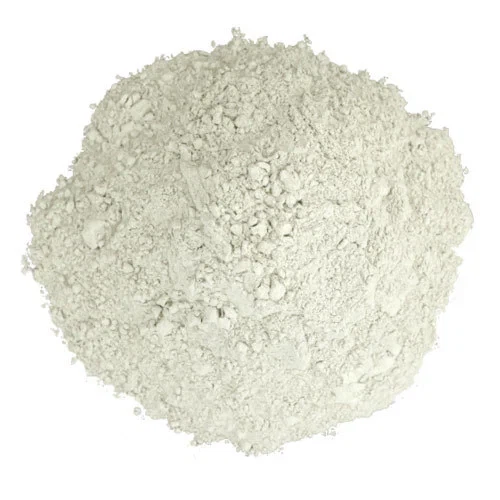
As a supplier of Polyanionic Cellulose PAC DHV, I've often encountered inquiries about the viscosity of its solution. Viscosity is a crucial property in various industrial applications, especially in oil drilling, where Polyanionic Cellulose PAC DHV plays a significant role. In this blog, I'll delve into the concept of viscosity, how it relates to Polyanionic Cellulose PAC DHV solutions, and factors that influence this property.
Understanding Viscosity
Viscosity is a measure of a fluid's resistance to flow. In simpler terms, it describes how thick or thin a liquid is. For instance, honey has a high viscosity because it flows slowly, while water has a low viscosity as it flows easily. In the context of Polyanionic Cellulose PAC DHV solutions, viscosity is an important parameter as it affects the fluid's performance in different applications.
When PAC DHV is dissolved in water, it forms a viscous solution. This viscosity is essential in oil drilling operations. The drilling fluid, which contains PAC DHV, needs to have the right viscosity to carry the drill cuttings to the surface, lubricate the drill bit, and maintain wellbore stability. If the viscosity is too low, the cuttings may not be effectively removed, leading to issues such as bit balling and poor hole cleaning. On the other hand, if the viscosity is too high, it can increase the pumping pressure, causing excessive energy consumption and potential damage to the drilling equipment.
Factors Affecting the Viscosity of Polyanionic Cellulose PAC DHV Solution
Concentration
One of the most significant factors influencing the viscosity of a PAC DHV solution is the concentration of the polymer. As the concentration of PAC DHV in the solution increases, the viscosity also increases. This is because more polymer molecules are present in the solution, and they interact with each other, forming a network-like structure that resists flow. For example, a 2% PAC DHV solution will have a higher viscosity than a 1% solution. However, there is a limit to how much the concentration can be increased. Beyond a certain point, the solution may become too thick to handle, and it may also lead to issues such as gelation or precipitation.
Temperature
Temperature also has a profound effect on the viscosity of PAC DHV solutions. Generally, as the temperature increases, the viscosity of the solution decreases. This is because higher temperatures provide more energy to the polymer molecules, allowing them to move more freely and reducing the intermolecular forces that contribute to viscosity. In oil drilling, the temperature can vary significantly depending on the depth of the well. At greater depths, the temperature can be quite high, which may cause a decrease in the viscosity of the drilling fluid. To counteract this effect, additives may be used to maintain the desired viscosity.
Shear Rate
Shear rate refers to the rate at which a fluid is deformed or sheared. In a drilling operation, the drilling fluid experiences different shear rates as it flows through the drill pipe, bit nozzles, and annulus. The viscosity of PAC DHV solutions is shear-thinning, which means that the viscosity decreases as the shear rate increases. This property is beneficial in drilling because it allows the fluid to flow easily through the narrow passages of the drill bit at high shear rates, while still maintaining sufficient viscosity to carry the cuttings at low shear rates in the annulus.

Salinity
The presence of salts in the solution can also affect the viscosity of PAC DHV. Salts can interact with the polymer molecules, causing changes in their conformation and intermolecular interactions. In general, the addition of salts can lead to a decrease in the viscosity of PAC DHV solutions. However, the effect of salinity depends on the type and concentration of the salts. Some salts may have a more significant impact on viscosity than others. For example, divalent salts such as calcium and magnesium ions can have a stronger effect on the viscosity compared to monovalent salts like sodium chloride.
Measuring the Viscosity of Polyanionic Cellulose PAC DHV Solution
There are several methods available for measuring the viscosity of PAC DHV solutions. One of the most common methods is the use of a viscometer. A viscometer measures the resistance of a fluid to flow under a specific set of conditions. There are different types of viscometers, such as rotational viscometers and capillary viscometers.
Rotational viscometers work by rotating a spindle or bob in the fluid and measuring the torque required to maintain a constant rotation speed. The viscosity is then calculated based on the torque and the geometry of the spindle. Capillary viscometers, on the other hand, measure the time it takes for a fixed volume of fluid to flow through a capillary tube under the influence of gravity or pressure.
In addition to these traditional methods, there are also advanced techniques such as rheometry, which can provide more detailed information about the flow behavior of the solution, including its viscoelastic properties.
Comparing Polyanionic Cellulose Grades
It's important to note that there are different grades of Polyanionic Cellulose, such as Polyanionic Cellulose PAC DLV, Polyanionic Cellulose PAC DHV, and Polyanionic Cellulose PAC HV. Each grade has different viscosity characteristics.
PAC DLV typically has a lower viscosity compared to PAC DHV and PAC HV. It is often used in applications where a lower viscosity fluid is required, such as in some shallow drilling operations or in situations where a more mobile fluid is needed. PAC HV, on the other hand, has a higher viscosity and is suitable for applications where greater hole cleaning and suspension capabilities are required, such as in deep wells or in formations with high permeability.
Applications of Polyanionic Cellulose PAC DHV Based on Viscosity
Oil Drilling
As mentioned earlier, the viscosity of PAC DHV solutions is crucial in oil drilling. The right viscosity ensures efficient cuttings removal, wellbore stability, and lubrication. PAC DHV is also used to control fluid loss, which is the loss of drilling fluid into the formation. A viscous solution can form a thin filter cake on the wellbore wall, reducing fluid loss and preventing formation damage.
Ceramics
In the ceramics industry, PAC DHV solutions are used as binders and plasticizers. The viscosity of the solution helps to hold the ceramic particles together during the shaping process and provides plasticity, allowing the ceramic to be molded into different shapes.
Detergents
In detergents, PAC DHV can be used as a thickening agent. The viscosity of the detergent solution affects its pouring and dispensing properties, as well as its ability to adhere to surfaces for effective cleaning.
Conclusion
The viscosity of Polyanionic Cellulose PAC DHV solutions is a complex property that is influenced by various factors such as concentration, temperature, shear rate, and salinity. Understanding these factors is essential for optimizing the performance of PAC DHV in different applications, especially in oil drilling. By carefully controlling the viscosity, we can ensure the efficient operation of drilling equipment, improve wellbore stability, and reduce costs.
If you are interested in purchasing Polyanionic Cellulose PAC DHV for your specific application, I encourage you to contact us for further discussion. We can provide you with detailed information about our products, including their viscosity characteristics, and help you determine the best grade and formulation for your needs.
References
- "Handbook of Water-Soluble Gums and Resins" by Robert L. Davidson
- "Drilling Fluids Technology" by George R. Gray and H. C. H. Darley