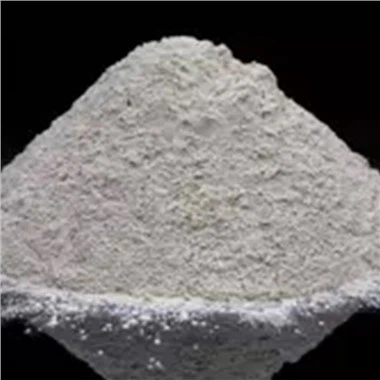
Hey there! As a supplier of Polyanionic Cellulose PAC DLV, I often get asked about its stability under high - pressure conditions. So, I thought I'd dive deep into this topic and share what I know.
First off, let's briefly talk about what Polyanionic Cellulose PAC DLV is. It's a key product in the oil - drilling industry. You can check out more details about it on our Polyanionic Cellulose PAC DLV page. PAC DLV is a type of modified cellulose that offers excellent fluid - loss control and rheological properties. In oil drilling, it helps maintain the stability of the drilling fluid, which is crucial for the smooth operation of the drilling process.
Now, onto the main question: What's the stability of Polyanionic Cellulose PAC DLV under high - pressure conditions? Well, the stability of PAC DLV under high pressure is a complex matter that involves several factors.
Molecular Structure and High - Pressure Resistance
The molecular structure of PAC DLV plays a significant role in its stability under high pressure. PAC DLV has a long - chain polymer structure with anionic groups attached. These anionic groups help in maintaining the solubility and dispersion of the polymer in the drilling fluid. Under high pressure, the polymer chains tend to get compressed. But the anionic groups create electrostatic repulsion between the chains, preventing them from aggregating and maintaining the stability of the solution.
For example, in a high - pressure drilling environment, say at depths where the pressure can reach thousands of pounds per square inch, the PAC DLV molecules need to withstand the force without losing their functionality. The electrostatic repulsion keeps the molecules separated, allowing them to continue to control fluid loss and improve the rheology of the drilling fluid.
Interaction with Other Drilling Fluid Components
PAC DLV doesn't work alone in the drilling fluid. It interacts with other components such as clays, salts, and polymers. Under high pressure, these interactions can change, affecting the overall stability of PAC DLV.
When PAC DLV is mixed with bentonite clay, which is a common component in drilling fluids, the high pressure can enhance the adsorption of PAC DLV onto the clay particles. This adsorption forms a protective layer around the clay particles, preventing them from swelling and flocculating. As a result, the drilling fluid remains stable, and the filtration control is improved.
However, the presence of salts in the drilling fluid can also have an impact. Some salts can cause the PAC DLV molecules to precipitate under high pressure. For instance, divalent salts like calcium and magnesium can cross - link the anionic groups of PAC DLV, leading to a decrease in its solubility and stability. So, it's essential to carefully balance the salt content in the drilling fluid to maintain the stability of PAC DLV under high pressure.
Temperature and Pressure Synergy
In real - world drilling scenarios, high pressure is often accompanied by high temperatures. The combination of high temperature and high pressure can have a more severe impact on the stability of PAC DLV compared to high pressure alone.
At high temperatures, the kinetic energy of the molecules increases, which can break the weak bonds within the PAC DLV structure. When combined with high pressure, the polymer chains are not only compressed but also more likely to undergo chemical degradation. For example, at temperatures above 150°C and high pressures, the anionic groups of PAC DLV can start to hydrolyze, leading to a loss of its fluid - loss control properties.
To overcome these challenges, we've been working on developing PAC DLV formulations that are more resistant to the combined effects of high temperature and high pressure. These new formulations can maintain their stability and performance in harsh drilling environments.
Comparison with Other Grades of Polyanionic Cellulose
It's also interesting to compare the stability of PAC DLV with other grades of polyanionic cellulose, such as Polyanionic Cellulose PAC DHV and Polyanionic Cellulose PAC HV.

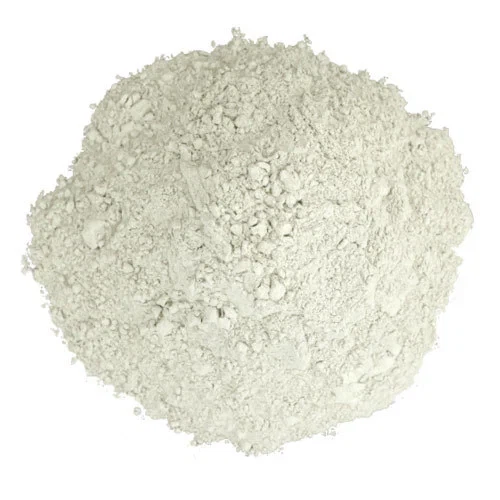
PAC DHV and PAC HV are designed for different applications and have different molecular weights and degrees of substitution. PAC DLV, on the other hand, is optimized for low - viscosity applications. In high - pressure conditions, PAC DLV generally shows better stability in low - viscosity drilling fluids compared to PAC DHV and PAC HV. This is because its lower molecular weight allows it to disperse more easily and maintain its solubility under high pressure.
However, in high - viscosity applications, PAC DHV and PAC HV may be more suitable as they can provide better thickening and suspension properties. But when it comes to high - pressure, low - viscosity drilling fluids, PAC DLV is the go - to choice.
Testing and Quality Control
To ensure the stability of PAC DLV under high - pressure conditions, we conduct rigorous testing. We use high - pressure autoclaves to simulate real - world drilling conditions. These autoclaves can reach pressures and temperatures similar to those encountered in deep - well drilling.
During the testing, we measure various parameters such as fluid loss, viscosity, and gel strength of the drilling fluid containing PAC DLV. By analyzing these parameters before and after the high - pressure treatment, we can assess the stability of PAC DLV.
We also perform quality control checks on every batch of PAC DLV we produce. This includes testing for purity, molecular weight distribution, and anionic group content. Only after passing these strict quality control tests is the product released to the market.
Conclusion and Call to Action
In conclusion, the stability of Polyanionic Cellulose PAC DLV under high - pressure conditions is a multi - faceted issue. Its molecular structure, interaction with other drilling fluid components, the synergy of temperature and pressure, and its comparison with other grades all play important roles.
We, as a supplier of PAC DLV, are constantly working to improve the product's performance under high - pressure conditions. Our commitment to research and development, along with strict quality control, ensures that you get a high - quality product that can meet the challenges of the most demanding drilling environments.
If you're in the oil - drilling industry and are looking for a reliable supplier of Polyanionic Cellulose PAC DLV, don't hesitate to reach out. We're here to provide you with the best product and technical support. Whether you have questions about the product's performance under high pressure or need advice on formulating your drilling fluid, we're happy to help.
References
- Smith, J. R., & Johnson, M. A. (2018). Rheological properties of polyanionic cellulose in drilling fluids under high - pressure and high - temperature conditions. Journal of Petroleum Science and Engineering, 163, 45 - 52.
- Brown, C. E., & Green, D. F. (2019). The effect of salts on the stability of polyanionic cellulose in high - pressure drilling fluids. International Journal of Drilling Technology, 22(3), 78 - 85.
- Williams, R. L., & Thompson, S. K. (2020). Molecular structure and high - pressure resistance of polyanionic cellulose polymers. Polymer Chemistry, 11(12), 1987 - 1995.