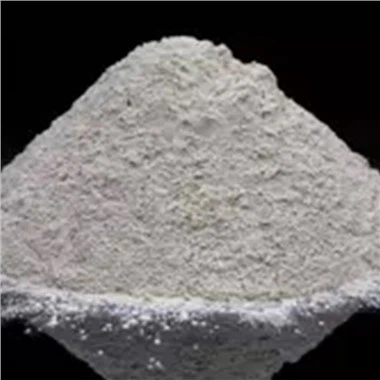
Hey there! As a supplier of Oil Drilling Grade Organoclay, I often get asked about its shelf-life. It's a crucial question, especially for those in the oil drilling industry. In this blog, I'll dive deep into what the shelf-life of Oil Drilling Grade Organoclay is, what factors affect it, and how you can make the most of it.
First off, let's talk about what Oil Drilling Grade Organoclay actually is. It's a key component in drilling fluids, which are used in the oil and gas drilling process. These fluids help to cool and lubricate the drill bit, carry the drill cuttings to the surface, and maintain the stability of the wellbore. There are different types of Oil Drilling Grade Organoclay available, such as Organic Bentonite with Primarily Diesel-based Drilling Fluids, Organoclay with Synthetic-oil Base Fluids, and Modified Bentonite with Oil Based Drilling. Each type has its own unique properties and applications, but they all play an important role in the drilling process.
Now, let's get to the main question: what's the shelf-life of Oil Drilling Grade Organoclay? Well, it's not a one-size-fits-all answer. The shelf-life can vary depending on several factors, including the storage conditions, the type of organoclay, and the quality of the product.

Storage Conditions
One of the most important factors that affect the shelf-life of Oil Drilling Grade Organoclay is how it's stored. Organoclay should be stored in a cool, dry place, away from direct sunlight and moisture. Exposure to high temperatures and humidity can cause the organoclay to degrade over time, reducing its effectiveness. If the storage area is too hot, the chemical properties of the organoclay can change, leading to a decrease in its viscosity and thixotropy, which are important properties for drilling fluids.
For example, if you store your organoclay in a warehouse that's not properly ventilated and has high humidity levels, the clay can absorb moisture from the air. This can cause the particles to clump together, making it difficult to disperse the organoclay in the drilling fluid. As a result, the drilling fluid may not perform as well, and you may end up with issues such as poor hole cleaning and reduced wellbore stability.
On the other hand, if you store the organoclay in a cold environment, it can become brittle and more difficult to handle. Extreme cold can also cause the organoclay to lose some of its properties, so it's important to find a balance and store it at a moderate temperature.
Type of Organoclay
The type of Oil Drilling Grade Organoclay you're using can also impact its shelf-life. Different types of organoclay have different chemical compositions and structures, which can affect their stability over time. For instance, some organoclays are more resistant to oxidation and degradation than others.
Organoclays that are designed for use with synthetic-oil base fluids may have a longer shelf-life compared to those used with diesel-based fluids. This is because synthetic oils are generally more stable and less prone to oxidation than diesel. So, if you're using an Organoclay with Synthetic-oil Base Fluids, you may expect it to last a bit longer under the same storage conditions.
Quality of the Product
The quality of the Oil Drilling Grade Organoclay you purchase also matters. High-quality organoclay that's produced using strict manufacturing processes and quality control measures is likely to have a longer shelf-life. When you buy from a reputable supplier, you can be more confident that the product has been properly formulated and tested to ensure its stability and performance over time.
A supplier who uses high-grade raw materials and advanced manufacturing techniques is more likely to produce organoclay that can withstand the test of time. On the other hand, low-quality organoclay may start to degrade more quickly, even if it's stored under ideal conditions.
General Shelf-life Estimates
While it's hard to give an exact shelf-life for Oil Drilling Grade Organoclay, under ideal storage conditions (cool, dry, and protected from sunlight), most organoclays can have a shelf-life of around 1 to 2 years. However, this is just a rough estimate, and it's always a good idea to check with the manufacturer or supplier for specific information about the product you're using.
If you're not sure whether your organoclay is still good to use after a certain period, you can perform some simple tests. For example, you can check the appearance of the organoclay. If it looks clumpy, discolored, or has an unusual odor, it may be a sign that it's starting to degrade. You can also test its viscosity and other properties in a small batch of drilling fluid to see if it performs as expected.
Maximizing the Shelf-life
To get the most out of your Oil Drilling Grade Organoclay and extend its shelf-life, here are some tips:
- Proper Storage: As mentioned earlier, store the organoclay in a cool, dry place. Use sealed containers to prevent moisture and air from getting in.
- Inventory Management: Keep track of your inventory and use the oldest stock first. This way, you can ensure that you're using the organoclay before it starts to degrade.
- Regular Inspections: Periodically check the stored organoclay for any signs of degradation. This can help you catch any issues early and take appropriate action.
- Follow Manufacturer's Recommendations: Always follow the manufacturer's instructions for storage and handling of the organoclay. They have the most accurate information about their product and can provide you with the best advice on how to keep it in good condition.
Conclusion
In conclusion, the shelf-life of Oil Drilling Grade Organoclay is influenced by several factors, including storage conditions, the type of organoclay, and the quality of the product. While it can vary, under ideal conditions, most organoclays can last around 1 to 2 years. By taking proper care of your organoclay and following the tips mentioned above, you can maximize its shelf-life and ensure that it performs well in your drilling operations.
If you're in the market for high-quality Oil Drilling Grade Organoclay, I'd love to have a chat with you. Whether you need Organic Bentonite with Primarily Diesel-based Drilling Fluids, Organoclay with Synthetic-oil Base Fluids, or Modified Bentonite with Oil Based Drilling, I can provide you with the right product for your needs. Feel free to reach out and let's discuss your requirements.
References
- Drilling Fluid Technology Handbook, Various Authors
- Journal of Petroleum Science and Engineering articles on organoclay properties and stability