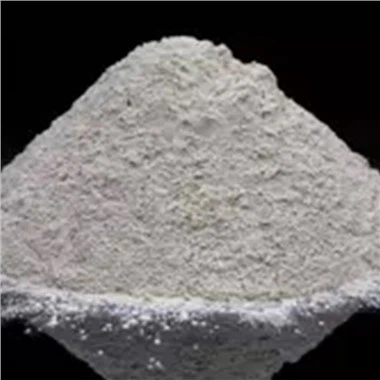
Sucralose, designated as E - 955 in the European food additive numbering system, is a well - known artificial sweetener. As a leading supplier of Sucralose E - 955, I am often asked about the pH range in which this product remains stable. Understanding the stability of Sucralose E - 955 across different pH levels is crucial for various industries, including food, beverage, and pharmaceuticals.
Chemical Structure and General Properties of Sucralose E - 955
Sucralose is a chlorinated derivative of sucrose. Its chemical formula is C₁₂H₁₉Cl₃O₈. The three chlorine atoms in its structure give it unique properties compared to natural sucrose. It is approximately 400 - 800 times sweeter than sucrose, which means only a tiny amount is needed to achieve the same level of sweetness. This high sweetness intensity makes it an attractive option for reducing calorie intake in food and beverage products.
Importance of pH Stability
pH is a measure of the acidity or alkalinity of a solution. In the context of Sucralose E - 955, pH stability is of utmost importance. If Sucralose is not stable within a certain pH range, it may degrade, leading to a loss of sweetness and potentially the formation of unwanted by - products. This can have a significant impact on the quality and taste of the final product.

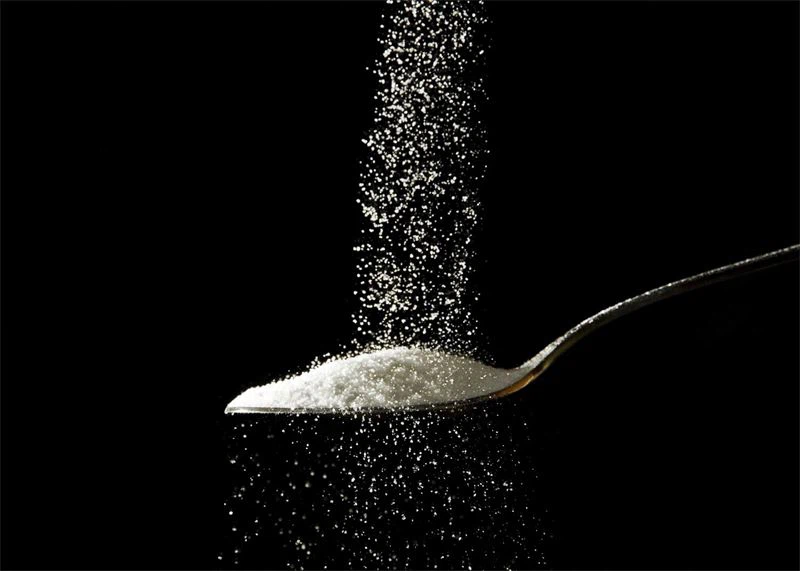
The pH Range for Sucralose E - 955 Stability
Extensive research has shown that Sucralose E - 955 is highly stable in a relatively wide pH range. Generally, it remains stable in solutions with a pH between 2 and 7.
In acidic conditions (pH 2 - 4), Sucralose shows excellent stability. Many acidic food and beverage products, such as fruit juices, carbonated soft drinks, and acidic dairy products, fall within this pH range. For example, in citrus - flavored carbonated drinks with a pH around 2.5 - 3.5, Sucralose can maintain its sweetness and chemical integrity over a long period. This stability in acidic environments is one of the reasons why Sucralose is widely used in the beverage industry.
As the pH approaches neutral (pH 7), Sucralose also remains stable. Neutral - pH products like some dairy - based desserts, certain types of soups, and some pharmaceutical formulations can safely use Sucralose as a sweetening agent. In these products, Sucralose can provide consistent sweetness without being affected by the pH of the medium.
However, as the pH moves outside this range, especially towards the alkaline side (pH > 7), the stability of Sucralose begins to decline. At high pH values, the chemical bonds in Sucralose can be broken, leading to hydrolysis and the loss of its sweetening properties. Therefore, it is generally not recommended to use Sucralose in highly alkaline products.
Factors Affecting Sucralose Stability within the pH Range
While the pH range of 2 - 7 is considered stable for Sucralose E - 955, there are other factors that can influence its stability within this range.
Temperature: Higher temperatures can accelerate the degradation of Sucralose, even within the stable pH range. For example, in food processing operations such as baking or high - temperature pasteurization, the stability of Sucralose may be challenged. However, Sucralose has relatively good heat stability compared to some other sweeteners. You can learn more about Sucralose For Baking to understand how it performs under baking conditions.
Presence of Other Ingredients: Some ingredients in a formulation can interact with Sucralose and affect its stability. For instance, certain metal ions or oxidizing agents may catalyze the degradation of Sucralose. Therefore, when formulating products with Sucralose, it is important to consider the compatibility of all ingredients.
Applications Based on pH Stability
The wide pH stability range of Sucralose E - 955 makes it suitable for a diverse range of applications.
Food Industry: In the food industry, Sucralose is used in a variety of products. From acidic jams and jellies to neutral - flavored baked goods, it can be incorporated to provide sweetness without adding significant calories. For dietary products, Dietary Sucralose is a popular choice as it allows consumers to enjoy sweet - tasting foods while managing their calorie intake.
Beverage Industry: As mentioned earlier, carbonated drinks, fruit juices, and sports drinks often use Sucralose due to its stability in acidic pH. It can withstand the acidic environment and maintain its sweetness during storage and distribution.
Pharmaceutical Industry: In pharmaceuticals, Sucralose is used to mask the bitter taste of medications. Its stability in a wide pH range makes it suitable for different types of pharmaceutical formulations. Pharmaceutical Sucralose Powder is specifically designed for use in this industry, ensuring that the sweetening properties are maintained throughout the shelf - life of the product.
Quality Assurance and Testing
As a Sucralose E - 955 supplier, we are committed to providing high - quality products. We conduct rigorous quality control tests to ensure that our Sucralose meets the required standards of stability within the pH range of 2 - 7. Our testing procedures include monitoring the degradation of Sucralose under different pH and temperature conditions over time. This allows us to guarantee that our customers receive a product that will perform consistently in their formulations.
Conclusion
In conclusion, Sucralose E - 955 is a highly stable sweetener within the pH range of 2 - 7. This wide stability range makes it a versatile ingredient for various industries, including food, beverage, and pharmaceuticals. However, factors such as temperature and the presence of other ingredients need to be considered to ensure optimal stability.
If you are interested in purchasing high - quality Sucralose E - 955 for your products, we invite you to contact us for further discussions. Our team of experts is ready to assist you in finding the best solutions for your specific needs.
References
- Food and Agriculture Organization of the United Nations/World Health Organization (FAO/WHO). Joint FAO/WHO Expert Committee on Food Additives (JECFA). "Sucralose".
- International Food Information Council Foundation. "Artificial Sweeteners: A Guide".
- Research papers on the stability of Sucralose in different pH and temperature conditions from scientific journals such as the Journal of Food Science and the Journal of Agricultural and Food Chemistry.