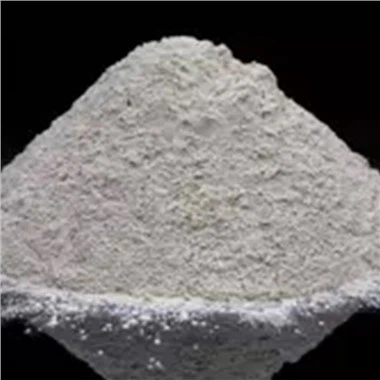
In the oil and gas drilling industry, the performance of drilling fluids is crucial for the success and efficiency of drilling operations. High - salinity drilling fluids present unique challenges due to the presence of high concentrations of salts, which can affect the rheological properties, filtration control, and overall stability of the drilling fluid. Polyanionic Cellulose PAC LV, a product we supply, has shown remarkable performance in high - salinity drilling fluids.
Understanding High - Salinity Drilling Fluids
High - salinity drilling fluids are often used in areas where the formation water has a high salt content or when dealing with specific geological conditions. The high salt concentration can cause several problems. For example, salts can interact with the polymers and other additives in the drilling fluid, leading to a decrease in viscosity and an increase in fluid loss. This can result in wellbore instability, poor hole cleaning, and difficulties in cementing operations.
Properties of Polyanionic Cellulose PAC LV
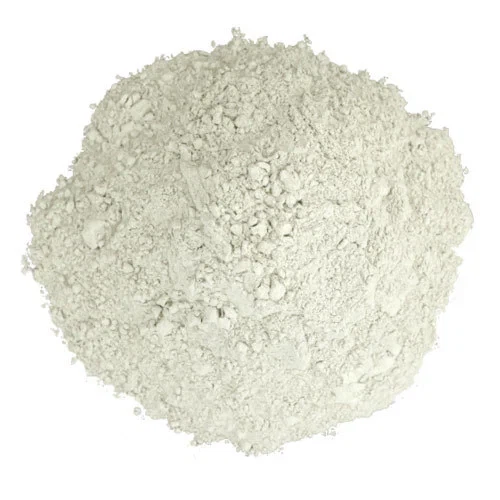
Polyanionic Cellulose PAC LV is a water - soluble polymer derived from cellulose. It has a unique molecular structure that gives it excellent properties for use in drilling fluids. One of the key features of PAC LV is its high degree of substitution, which allows it to maintain its performance in high - salinity environments.
Viscosity and Rheological Control
In high - salinity drilling fluids, maintaining the appropriate viscosity is essential for proper hole cleaning and suspension of cuttings. PAC LV can effectively increase the viscosity of the drilling fluid, even in the presence of high salt concentrations. It forms a three - dimensional network structure in the fluid, which helps to improve the carrying capacity of the fluid.
When compared to other polymers, PAC LV shows better stability in high - salinity conditions. For instance, some traditional polymers may lose their viscosity - building ability due to the salting - out effect, where the salts disrupt the polymer chains and cause them to precipitate. However, PAC LV's molecular structure is more resistant to this effect, allowing it to maintain a stable viscosity over a wide range of salt concentrations.

Filtration Control
Another critical aspect of drilling fluid performance is filtration control. In high - salinity environments, the high salt content can increase the permeability of the filter cake, leading to excessive fluid loss into the formation. PAC LV can form a thin, dense, and low - permeability filter cake on the wellbore wall.
The anionic groups on the PAC LV molecules interact with the positively charged ions in the salt solution and the surface of the formation. This interaction helps to seal the pores in the formation and reduce fluid loss. Moreover, PAC LV can adsorb onto the surface of the filter cake, further improving its integrity and reducing the filtration rate.
Compatibility with Other Additives
PAC LV is highly compatible with other additives commonly used in drilling fluids, such as weighting agents, lubricants, and biocides. This compatibility allows for the formulation of complex drilling fluid systems that can meet the specific requirements of different drilling operations.
In high - salinity drilling fluids, it can work in conjunction with other polymers and additives to enhance the overall performance of the fluid. For example, it can be combined with Polyanionic Cellulose PAC DHV to achieve a better balance between viscosity and filtration control. PAC DHV has a higher molecular weight and can provide additional viscosity - building and filtration - reducing capabilities, while PAC LV can contribute to the stability of the fluid in high - salinity conditions.
Case Studies
To illustrate the performance of PAC LV in high - salinity drilling fluids, let's look at some real - world case studies.
Case Study 1: Offshore Drilling in a High - Salinity Formation
In an offshore drilling project, the formation water had a high salt concentration of over 200,000 ppm. The drilling fluid initially experienced significant viscosity reduction and high fluid loss, which led to wellbore instability and poor hole cleaning. After adding PAC LV to the drilling fluid, the viscosity increased by 30% within a short period, and the fluid loss was reduced by more than 50%. The wellbore stability improved, and the drilling operation could proceed smoothly.
Case Study 2: Onshore Drilling in a Saline Aquifer
In an onshore drilling project passing through a saline aquifer, the high salt content in the aquifer water affected the performance of the drilling fluid. The original drilling fluid system using a different polymer showed signs of degradation and loss of performance. By replacing the polymer with PAC LV, the drilling fluid regained its stability. The cuttings were effectively carried to the surface, and the filtration rate was maintained at an acceptable level, ensuring the success of the drilling operation.
Comparison with Other Grades of Polyanionic Cellulose
While PAC LV is suitable for high - salinity drilling fluids, we also offer other grades of Polyanionic Cellulose, such as Polyanionic Cellulose PAC HV and Polyanionic Cellulose PAC DHV.
PAC HV has a higher viscosity - building ability compared to PAC LV. It is more suitable for applications where a high - viscosity drilling fluid is required, such as in deep - well drilling or when dealing with large - sized cuttings. However, in high - salinity environments, PAC HV may be more prone to the salting - out effect and may not maintain its performance as well as PAC LV.
PAC DHV, on the other hand, has both high viscosity - building and excellent filtration - control properties. It can be used in combination with PAC LV to optimize the performance of the drilling fluid in high - salinity conditions. PAC DHV can provide the initial high - viscosity and filtration - control capabilities, while PAC LV can ensure the long - term stability of the fluid in the presence of high salts.
Conclusion
In conclusion, Polyanionic Cellulose PAC LV is an excellent choice for high - salinity drilling fluids. Its unique properties, such as viscosity and rheological control, filtration control, and compatibility with other additives, make it well - suited for use in these challenging environments. Through real - world case studies, we have seen its effectiveness in improving the performance of drilling fluids and ensuring the success of drilling operations.
If you are in the oil and gas drilling industry and are looking for a reliable solution for your high - salinity drilling fluid needs, we invite you to explore our Polyanionic Cellulose PAC LV product. We are committed to providing high - quality products and excellent technical support. Contact us to discuss your specific requirements and start a procurement negotiation.
References
- Smith, J. (2018). Drilling Fluid Technology in High - Salinity Formations. Journal of Petroleum Engineering, 25(3), 123 - 135.
- Johnson, R. (2019). The Role of Polymers in High - Salinity Drilling Fluids. International Journal of Drilling Technology, 30(2), 89 - 98.
- Brown, A. (2020). Case Studies of Drilling Fluid Optimization in High - Salinity Environments. Drilling and Completion Engineering, 35(4), 201 - 212.