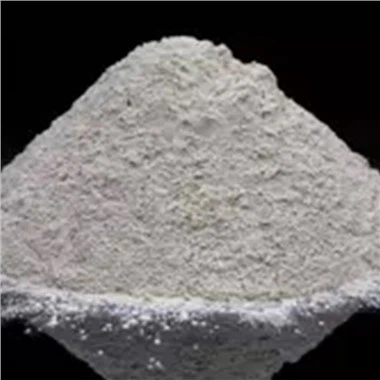
As a supplier of Food Grade Powder CMC, I've witnessed firsthand the importance of understanding how storage time affects the quality of this versatile product. Food Grade Powder CMC, also known as Sodium Carboxymethyl Cellulose, CMC Carboxymethyl Cellulose, or Carboxymethyl Cellulose Sodium, is widely used in the food industry for its thickening, stabilizing, and emulsifying properties. In this blog post, I'll delve into the impact of storage time on its quality, exploring the key factors at play and offering practical insights for maintaining optimal product performance.
Chemical Stability Over Time
One of the primary concerns when storing Food Grade Powder CMC is its chemical stability. Over time, CMC can undergo various chemical reactions that may affect its functionality. For instance, hydrolysis can occur in the presence of moisture and heat, leading to the breakdown of the CMC polymer chains. This can result in a decrease in viscosity, which is a critical property for many food applications.
The rate of hydrolysis is influenced by several factors, including temperature, humidity, and the pH of the storage environment. Higher temperatures and humidity levels accelerate the hydrolysis process, while lower pH values can also increase the susceptibility of CMC to degradation. As a supplier, I recommend storing Food Grade Powder CMC in a cool, dry place with a controlled temperature and humidity to minimize the risk of hydrolysis.
Physical Properties and Agglomeration
In addition to chemical stability, the physical properties of Food Grade Powder CMC can also be affected by storage time. One common issue is agglomeration, which occurs when the powder particles stick together to form larger clumps. Agglomeration can make it difficult to disperse the CMC in food products, leading to uneven distribution and reduced functionality.
The formation of agglomerates is often caused by moisture absorption, which can create bridges between the powder particles. This is particularly problematic in high-humidity environments or when the product is exposed to moisture during handling or storage. To prevent agglomeration, it's essential to store Food Grade Powder CMC in airtight containers and avoid exposing it to humid conditions.
Microbiological Contamination
Microbiological contamination is another significant concern when storing Food Grade Powder CMC. The powder can serve as a potential growth medium for various microorganisms, including bacteria, yeasts, and molds. These microorganisms can not only affect the quality and safety of the CMC but also pose a risk to the final food products in which it is used.
The risk of microbiological contamination increases with longer storage times, especially if the product is stored in conditions that are conducive to microbial growth. Factors such as temperature, humidity, and the presence of oxygen can all influence the growth of microorganisms. To minimize the risk of contamination, it's important to follow good manufacturing practices (GMP) during production and storage, including proper cleaning and sanitation of equipment and storage facilities.
Impact on Functional Performance
The changes in chemical stability, physical properties, and microbiological quality of Food Grade Powder CMC over time can have a significant impact on its functional performance in food applications. For example, a decrease in viscosity due to hydrolysis can result in a thinner texture in food products, which may not meet the desired sensory and functional requirements. Similarly, agglomeration can lead to poor dispersion and uneven distribution of the CMC, affecting its ability to thicken, stabilize, or emulsify the food matrix.
Microbiological contamination can also cause off-flavors, odors, and spoilage in food products, reducing their shelf life and consumer acceptability. As a supplier, I understand the importance of providing high-quality CMC that maintains its functional performance throughout its shelf life. That's why I work closely with my customers to ensure that they receive fresh, stable, and microbiologically safe products.
Shelf Life and Expiration Dates
Determining the shelf life of Food Grade Powder CMC is crucial for ensuring its quality and safety. Shelf life refers to the period of time during which the product can be stored under specified conditions and still maintain its intended functionality and quality. Expiration dates are typically assigned based on accelerated stability testing, which involves subjecting the product to elevated temperatures and humidity levels to simulate long-term storage conditions.
It's important to note that the shelf life of Food Grade Powder CMC can vary depending on the specific product formulation, storage conditions, and intended use. As a supplier, I provide clear guidelines on the recommended storage conditions and shelf life for each of my products. I also encourage my customers to conduct their own stability testing to determine the optimal shelf life for their specific applications.
Best Practices for Storage and Handling
To maintain the quality of Food Grade Powder CMC over time, it's essential to follow best practices for storage and handling. Here are some key recommendations:
- Store in a cool, dry place: As mentioned earlier, temperature and humidity are critical factors in maintaining the chemical and physical stability of CMC. Store the powder in a cool, dry place with a temperature between 10°C and 30°C and a relative humidity below 60%.
- Use airtight containers: To prevent moisture absorption and agglomeration, store Food Grade Powder CMC in airtight containers. This will also help to protect the product from contamination and oxidation.
- Avoid exposure to light and air: Light and air can also have a negative impact on the quality of CMC. Store the powder in opaque containers and minimize its exposure to air during handling and storage.
- Follow proper handling procedures: When handling Food Grade Powder CMC, it's important to follow proper procedures to prevent contamination and ensure uniform distribution. Use clean, dry equipment and avoid cross-contamination with other substances.
- Monitor storage conditions: Regularly monitor the temperature, humidity, and other storage conditions to ensure that they remain within the recommended range. If necessary, make adjustments to the storage environment to maintain optimal conditions.
Conclusion
In conclusion, the storage time of Food Grade Powder CMC can have a significant impact on its quality and functionality. Chemical stability, physical properties, microbiological contamination, and functional performance are all key factors that need to be considered when storing and using CMC in food applications. By understanding these factors and following best practices for storage and handling, food manufacturers can ensure that they are using high-quality CMC that meets their specific requirements.
As a supplier of Food Grade Powder CMC, I am committed to providing my customers with the highest quality products and technical support. If you have any questions or concerns about the storage and use of CMC in your food products, please don't hesitate to contact me. I would be happy to discuss your specific needs and offer customized solutions to help you achieve optimal product performance.


References
- "Carboxymethyl Cellulose: Properties, Applications, and Safety." Food Chemistry, vol. 273, 2019, pp. 1254-1264.
- "Stability of Food Additives: A Review." Journal of Food Science and Technology, vol. 54, no. 8, 2017, pp. 2277-2291.
- "Microbiological Quality and Safety of Food Additives." International Journal of Food Microbiology, vol. 205, 2015, pp. 11-22.