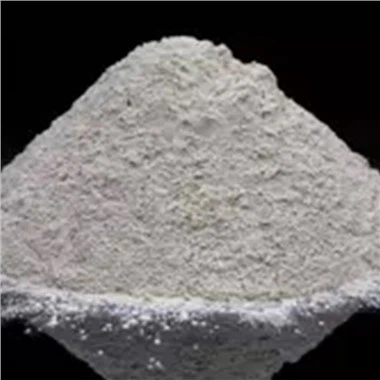
As a supplier of Polyanionic Cellulose PAC HV, I am often asked about the hygroscopicity of this remarkable product. Hygroscopicity refers to the ability of a substance to attract and hold water molecules from the surrounding environment. Understanding the hygroscopicity of Polyanionic Cellulose PAC HV is crucial for various applications, especially in industries such as oil drilling, food, and pharmaceuticals.
What is Polyanionic Cellulose PAC HV?
Polyanionic Cellulose (PAC) is a water-soluble cellulose ether derivative. PAC HV, specifically, is a high-viscosity grade of polyanionic cellulose. It is produced by the chemical modification of natural cellulose, which imparts unique properties to the polymer. PAC HV is widely used in oil drilling fluids as a viscosifier, fluid loss control agent, and shale stabilizer. Its high molecular weight and anionic nature contribute to its excellent performance in harsh drilling environments.
Hygroscopicity of Polyanionic Cellulose PAC HV
The hygroscopicity of Polyanionic Cellulose PAC HV is an important characteristic that affects its storage, handling, and performance. PAC HV has a certain degree of hygroscopicity due to the presence of hydrophilic groups in its molecular structure. These hydrophilic groups, such as hydroxyl and carboxymethyl groups, can form hydrogen bonds with water molecules, allowing the polymer to absorb and retain moisture from the air.


The hygroscopicity of PAC HV can be influenced by several factors, including the humidity of the storage environment, the particle size of the PAC HV powder, and the degree of substitution of the carboxymethyl groups. In general, higher humidity levels will lead to greater moisture absorption by PAC HV. Smaller particle sizes also increase the surface area available for water absorption, resulting in higher hygroscopicity. Additionally, a higher degree of substitution of carboxymethyl groups can enhance the hydrophilicity of the polymer, further increasing its hygroscopicity.
Impact of Hygroscopicity on PAC HV
The hygroscopicity of Polyanionic Cellulose PAC HV can have both positive and negative impacts on its performance and applications.
Positive Impacts
- Improved Solubility: The absorption of moisture by PAC HV can help to swell the polymer particles, making them more easily dispersible in water. This can improve the solubility of PAC HV in aqueous solutions, leading to faster dissolution and better performance as a viscosifier and fluid loss control agent.
- Enhanced Rheological Properties: The presence of moisture in PAC HV can also affect its rheological properties. In some cases, a small amount of moisture can act as a plasticizer, reducing the viscosity of the polymer solution and improving its flowability. This can be beneficial in applications where a lower viscosity is required, such as in some drilling fluids.
Negative Impacts
- Caking and Clumping: Excessive moisture absorption can cause PAC HV powder to cake and clump together. This can make it difficult to handle and dispense the powder, and may also affect its performance in applications. Caked PAC HV may not dissolve properly in water, leading to inconsistent viscosity and fluid loss control.
- Reduced Shelf Life: High levels of moisture can also accelerate the degradation of PAC HV over time. The presence of water can promote chemical reactions, such as hydrolysis, which can break down the polymer chains and reduce its molecular weight. This can result in a decrease in the viscosity and performance of PAC HV, reducing its shelf life.
Managing Hygroscopicity of PAC HV
To minimize the negative impacts of hygroscopicity on Polyanionic Cellulose PAC HV, it is important to take appropriate measures during storage and handling.
Storage Conditions
- Low Humidity Environment: PAC HV should be stored in a dry environment with low humidity levels. Ideally, the relative humidity should be kept below 60%. This can be achieved by storing the product in a climate-controlled warehouse or using desiccants to absorb moisture from the air.
- Sealed Containers: PAC HV should be stored in sealed containers to prevent moisture from entering. This can help to maintain the quality and performance of the product over time.
Handling Procedures
- Minimize Exposure to Air: When handling PAC HV, it is important to minimize its exposure to air. This can be done by using sealed containers and transferring the powder quickly to prevent moisture absorption.
- Proper Mixing: When preparing PAC HV solutions, it is important to ensure proper mixing to ensure that the powder is fully dispersed in water. This can help to prevent caking and clumping and ensure consistent performance.
Other Grades of Polyanionic Cellulose
In addition to PAC HV, there are other grades of polyanionic cellulose available, each with its own unique properties and applications. For example, Polyanionic Cellulose PAC DLV is a low-viscosity grade that is often used in applications where a lower viscosity is required. Polyanionic Cellulose PAC LV is also a low-viscosity grade, but with different performance characteristics compared to PAC DLV. Polyanionic Cellulose PAC DHV is a high-viscosity grade similar to PAC HV, but with specific properties tailored for certain applications.
Conclusion
The hygroscopicity of Polyanionic Cellulose PAC HV is an important characteristic that can significantly affect its performance and applications. While it can have some positive impacts, such as improved solubility and enhanced rheological properties, excessive moisture absorption can lead to caking, clumping, and reduced shelf life. By understanding the factors that influence hygroscopicity and taking appropriate measures to manage it, we can ensure the quality and performance of PAC HV in various applications.
If you are interested in learning more about Polyanionic Cellulose PAC HV or other grades of PAC, or if you have any questions about our products, please feel free to contact us for a detailed discussion. We are always ready to provide you with the best solutions for your specific needs.
References
- “Handbook of Water - Soluble Gums and Resins,” edited by Robert L. Davidson.
- “Drilling Fluids Technology,” various industry publications on oil - field chemicals.