Electrical conductivity is a fundamental property that provides insights into the behavior of solutions at the molecular level. When it comes to a sucralose solution, understanding its electrical conductivity based on its composition is not only scientifically intriguing but also has practical implications in various industries such as food, pharmaceuticals, and chemistry. As a leading sucralose composition supplier, we are well - versed in the intricacies of sucralose and its solutions, and we are excited to share our knowledge on this topic.
Understanding Sucralose and Its Composition
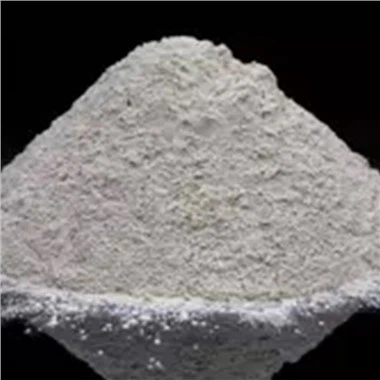
Sucralose is an artificial sweetener that is approximately 400 - 800 times sweeter than sucrose. Chemically, it is a chlorinated derivative of sucrose, where three hydroxyl groups are replaced by chlorine atoms. Its chemical formula is (C_{12}H_{19}Cl_{3}O_{8}). In its pure form, sucralose is a white, crystalline powder that is highly soluble in water.
When sucralose is dissolved in water to form a solution, the nature of the solution's composition plays a crucial role in determining its electrical conductivity. In a sucralose solution, there are mainly two components: sucralose molecules and water molecules. Water is a polar molecule, with a partial positive charge on the hydrogen atoms and a partial negative charge on the oxygen atom. Sucralose, on the other hand, is a covalent compound. It does not dissociate into ions in the same way as ionic compounds like sodium chloride ((NaCl)) do in water.
Factors Affecting the Electrical Conductivity of Sucralose Solutions
Sucralose Concentration
The concentration of sucralose in the solution is an important factor. At low concentrations, the number of sucralose molecules in the solution is relatively small. Since sucralose does not readily dissociate into ions, the contribution of sucralose to the electrical conductivity is minimal. As the concentration of sucralose increases, the number of sucralose molecules per unit volume also increases. However, because sucralose is a covalent compound, even at high concentrations, it does not generate a significant number of charge - carrying particles (ions). So, the change in electrical conductivity with increasing sucralose concentration is generally very small.
Impurities
Impurities in the sucralose or the water used to prepare the solution can have a significant impact on electrical conductivity. If the water contains dissolved salts or other ionic substances, these ions will contribute to the electrical conductivity of the solution. For example, tap water often contains small amounts of calcium, magnesium, and chloride ions. When sucralose is dissolved in tap water, these pre - existing ions will increase the overall conductivity of the solution compared to when it is dissolved in pure distilled water.
Similarly, if the sucralose itself contains trace amounts of ionic impurities, these impurities can dissociate in water and increase the conductivity. As a responsible sucralose composition supplier, we ensure that our Pharmaceutical Sucralose Liquid, Food Sucralose Powder, and Granulated Sucralose products have extremely low levels of impurities to meet the high - quality standards required by different industries.
Temperature
Temperature also affects the electrical conductivity of a sucralose solution. According to the kinetic theory, as the temperature increases, the mobility of molecules and ions in the solution also increases. In a sucralose solution, although sucralose does not dissociate into ions, the increased mobility of water molecules and any trace ions present can lead to an increase in electrical conductivity. The relationship between temperature and electrical conductivity is usually described by an empirical equation. For most solutions, the conductivity approximately follows an exponential relationship with temperature over a certain range.
Measuring the Electrical Conductivity of Sucralose Solutions
To measure the electrical conductivity of a sucralose solution, a conductivity meter is commonly used. A conductivity meter consists of two electrodes immersed in the solution. When an electrical potential is applied across the electrodes, the movement of ions in the solution creates an electric current. The conductivity meter measures this current and converts it into a conductivity value, usually expressed in siemens per meter ((S/m)) or microsiemens per centimeter ((\mu S/cm)).
Before measuring the conductivity of a sucralose solution, it is important to calibrate the conductivity meter using standard solutions with known conductivity values. This ensures the accuracy of the measurement. During the measurement, the temperature of the solution should also be monitored and controlled, as temperature can significantly affect the conductivity reading.
Practical Implications in Different Industries
Food Industry
In the food industry, sucralose is widely used as a sugar substitute due to its high sweetness and low calorie content. Understanding the electrical conductivity of sucralose solutions can be useful in quality control and process optimization. For example, in the production of sucralose - containing beverages, the electrical conductivity of the solution can be used as an indicator of the presence of impurities or the proper dissolution of sucralose. A sudden change in conductivity during the production process may indicate a problem, such as a malfunction in the mixing equipment or the introduction of contaminants.
Pharmaceutical Industry
In the pharmaceutical industry, Pharmaceutical Sucralose Liquid is used in various formulations, such as syrups and oral solutions. The electrical conductivity of these solutions can affect the stability and efficacy of the drugs. For example, if the conductivity is too high due to the presence of impurities, it may interact with the active pharmaceutical ingredients and cause degradation or other chemical reactions. By controlling the electrical conductivity of sucralose solutions, pharmaceutical manufacturers can ensure the quality and safety of their products.
Conclusion
The electrical conductivity of a sucralose solution is a complex property that is influenced by factors such as sucralose concentration, impurities, and temperature. Although sucralose itself is a covalent compound and does not contribute significantly to conductivity, the presence of impurities and the properties of the solvent (water) play important roles.
As a reliable sucralose composition supplier, we are committed to providing high - quality sucralose products with consistent composition and low impurity levels. Our Food Sucralose Powder, Pharmaceutical Sucralose Liquid, and Granulated Sucralose are carefully manufactured to meet the strict requirements of different industries.


If you are interested in purchasing our sucralose products or have any questions about sucralose solutions and their properties, please feel free to contact us for procurement discussions. We look forward to collaborating with you to meet your sucralose needs.
References
- "Physical Chemistry" by Peter Atkins and Julio de Paula. This comprehensive textbook provides in - depth knowledge about the physical properties of solutions, including electrical conductivity.
- Research papers on the properties of artificial sweeteners, which can be found in scientific journals such as the Journal of Food Science and the Journal of Pharmaceutical Sciences. These papers often contain experimental data and analysis on the electrical conductivity of sucralose solutions.