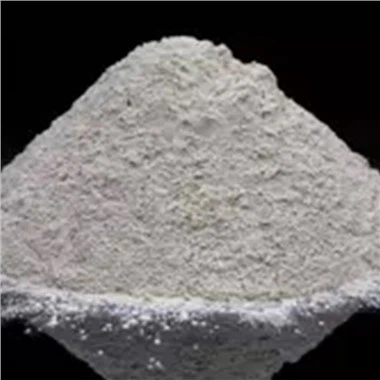
Polyanionic cellulose (PAC) is a versatile polymer widely used in various industries, especially in oil drilling, due to its excellent properties such as high viscosity, good water - solubility, and strong salt - tolerance. Among different types of PAC, PAC DHV stands out with its unique characteristics. As a supplier of Polyanionic Cellulose PAC DHV, I'd like to delve into the differences between PAC DHV and other types of PAC in this blog.
1. Chemical Structure and Composition
All types of PAC are derivatives of cellulose, which are produced through a series of chemical modifications. The basic structure of PAC consists of a cellulose backbone with carboxymethyl groups attached. However, the degree of substitution (DS) and the molecular weight can vary significantly among different types of PAC.
Polyanionic Cellulose PAC DHV is characterized by a relatively high degree of substitution and a high molecular weight. The high degree of substitution means that more carboxymethyl groups are attached to the cellulose backbone, which enhances its anionic nature. This high anionicity allows PAC DHV to interact more effectively with cations in the solution, leading to better performance in terms of viscosity - building and fluid - loss control.
In contrast, [Polyanionic Cellulose PAC LV](polyanionic - cellulose/powder - oil - drilling - grade - polyanionic - cellulose/polyanionic - cellulose - pac - lv.html) has a lower degree of substitution and molecular weight. The lower DS results in fewer anionic groups, and the lower molecular weight makes the polymer chains shorter. As a result, PAC LV has a lower viscosity - building ability compared to PAC DHV.
[Polyanionic Cellulose PAC DLV](polyanionic - cellulose/powder - oil - drilling - grade - polyanionic - cellulose/polyanionic - cellulose - pac - dlv.html) also has a low degree of substitution and molecular weight. It is designed for applications where a very low - viscosity fluid is required. The reduced anionicity and shorter polymer chains of PAC DLV lead to minimal viscosity increase in the solution.
2. Viscosity and Rheological Properties
Viscosity is one of the most important properties of PAC in many applications, especially in oil drilling. PAC DHV is known for its high - viscosity characteristics. When added to a drilling fluid, it can quickly increase the viscosity of the fluid, which is beneficial for suspending cuttings during the drilling process. The high - molecular - weight chains of PAC DHV entangle with each other, creating a three - dimensional network structure in the fluid. This network structure not only increases the viscosity but also imparts good shear - thinning properties to the fluid. Shear - thinning means that the viscosity of the fluid decreases under high - shear conditions, such as when the fluid is pumped through the drill bit, and increases again when the shear rate is reduced, which helps in suspending the cuttings when the fluid is static.
On the other hand, PAC LV has a much lower viscosity - building ability. It is used in situations where a relatively low - viscosity drilling fluid is needed, for example, in some shallow - well drilling operations. The lower - molecular - weight chains of PAC LV do not entangle as effectively as those of PAC DHV, resulting in a less - viscous fluid.
PAC DLV has the lowest viscosity among the three types. It is mainly used in applications where a very thin and free - flowing fluid is required. The lack of significant chain entanglement in PAC DLV leads to a fluid with minimal resistance to flow.
3. Fluid - Loss Control
Fluid - loss control is another critical aspect in oil drilling. During the drilling process, the drilling fluid can leak into the surrounding rock formations, which can cause various problems such as wellbore instability and formation damage. PAC plays an important role in reducing fluid loss.
PAC DHV is highly effective in fluid - loss control. The high - anionic nature of PAC DHV allows it to adsorb onto the surface of the rock formation, forming a thin and dense filter cake. This filter cake acts as a barrier, preventing the further leakage of the drilling fluid into the formation. The high - molecular - weight chains of PAC DHV also contribute to the formation of a more stable filter cake.
PAC LV also has some fluid - loss control ability, but it is less effective than PAC DHV. The lower degree of substitution and molecular weight result in a less - dense filter cake, which is not as efficient in preventing fluid loss.
PAC DLV has the least fluid - loss control ability. Its low - molecular - weight and low - anionicity make it difficult to form a stable and effective filter cake, so it is not typically used for primary fluid - loss control purposes.

4. Salt Tolerance
In many oil - drilling environments, the drilling fluid may come into contact with salt - containing formations. Therefore, the salt tolerance of PAC is an important consideration.
PAC DHV has excellent salt tolerance. The high degree of substitution and anionicity of PAC DHV allow it to maintain its viscosity and fluid - loss control properties even in high - salt environments. The anionic groups on the polymer chains can interact with the cations in the salt solution, preventing the polymer from precipitating or losing its effectiveness.
PAC LV also has a certain degree of salt tolerance, but it is not as good as PAC DHV. In high - salt environments, the viscosity - building and fluid - loss control abilities of PAC LV may be significantly reduced.
PAC DLV has relatively poor salt tolerance. Its low - molecular - weight and low - anionicity make it more susceptible to the effects of salts, and its performance may degrade rapidly in salt - containing solutions.
5. Applications
Due to its unique properties, PAC DHV is mainly used in deep - well drilling operations. In deep wells, the drilling fluid needs to have high viscosity to suspend heavy cuttings and good fluid - loss control to prevent formation damage. The excellent salt tolerance of PAC DHV also makes it suitable for drilling in salt - rich formations.

PAC LV is commonly used in shallow - well drilling, where a lower - viscosity fluid is sufficient for suspending cuttings. It can also be used in some applications where a moderate level of fluid - loss control is required.
PAC DLV is mainly used in applications where a very low - viscosity and free - flowing fluid is needed, such as in some special - purpose drilling operations or in the preparation of certain types of chemical solutions.
6. Cost - Effectiveness
The cost of PAC is an important factor for many users. Generally, PAC DHV is more expensive than PAC LV and PAC DLV. This is because the production process of PAC DHV is more complex, requiring a higher degree of substitution and a higher molecular weight. However, in applications where its unique properties are essential, such as deep - well drilling, the higher cost of PAC DHV can be justified by its superior performance.
PAC LV offers a more cost - effective solution for applications where a lower - viscosity fluid is sufficient. Its lower production cost makes it a popular choice for many shallow - well drilling operations.
PAC DLV is the least expensive among the three types. It is suitable for applications where cost is a major concern and only minimal viscosity and fluid - loss control are required.
Conclusion
In summary, Polyanionic Cellulose PAC DHV differs significantly from other types of PAC such as [Polyanionic Cellulose PAC LV](polyanionic - cellulose/powder - oil - drilling - grade - polyanionic - cellulose/polyanionic - cellulose - pac - lv.html) and [Polyanionic Cellulose PAC DLV](polyanionic - cellulose/powder - oil - drilling - grade - polyanionic - cellulose/polyanionic - cellulose - pac - dlv.html) in terms of chemical structure, viscosity, fluid - loss control, salt tolerance, applications, and cost - effectiveness. As a supplier of [Polyanionic Cellulose PAC DHV](polyanionic - cellulose/powder - oil - drilling - grade - polyanionic - cellulose/polyanionic - cellulose - pac - dhv.html), I understand the specific requirements of different industries and applications. If you are looking for high - quality PAC products and need professional advice on which type of PAC is most suitable for your project, please feel free to contact me for further discussion and procurement negotiations.
References
- Smith, J. (2018). "Advances in Polyanionic Cellulose for Oil Drilling Applications". Journal of Petroleum Science and Engineering, 167, 45 - 52.
- Brown, A. (2019). "Viscosity and Rheological Properties of Different Polyanionic Cellulose Types". Polymer Research, 25(3), 123 - 130.
- Green, C. (2020). "Fluid - Loss Control Mechanisms of Polyanionic Cellulose in Drilling Fluids". Drilling Technology Review, 32(2), 67 - 74.