Deep - well oil drilling presents a set of unique challenges and requirements that demand specialized materials, and Oil Drilling Grade Organoclay is one such crucial component. As a supplier of Oil Drilling Grade Organoclay, I've witnessed firsthand how this product plays a pivotal role in the success of deep - well oil drilling operations. In this blog, we'll explore the distinct requirements of deep - well oil drilling for Oil Drilling Grade Organoclay.
High - Temperature Resistance
One of the most significant challenges in deep - well oil drilling is the high temperatures encountered. As the drill bit penetrates deeper into the earth, the temperature can rise significantly. In some deep wells, temperatures can reach over 200°C (392°F). Oil Drilling Grade Organoclay must be able to maintain its properties under these extreme conditions.
At high temperatures, the viscosity and gel strength of the drilling fluid can be severely affected. If the Organoclay breaks down or loses its thickening ability, the drilling fluid may not be able to carry cuttings to the surface effectively. This can lead to blockages in the wellbore, reduced drilling efficiency, and even costly downtime.
Our Oil Drilling Grade Organoclay is specially formulated to withstand high temperatures. Through advanced chemical modification processes, we enhance the thermal stability of the clay particles. This ensures that the drilling fluid maintains its desired rheological properties, such as proper viscosity and gel strength, even in the hottest parts of the well. For more information on our high - temperature - resistant Organoclay products, you can visit Organic Bentonite with Primarily Diesel - based Drilling Fluids.
High - Pressure Tolerance
In addition to high temperatures, deep - well oil drilling also involves extremely high pressures. The pressure in a deep well can be several thousand pounds per square inch (psi). The Oil Drilling Grade Organoclay needs to be able to resist the compaction and deformation caused by these high pressures.
Under high pressure, the clay particles in the Organoclay can be forced closer together, which may change the structure of the drilling fluid. If the Organoclay cannot withstand the pressure, the drilling fluid may become too thick or lose its ability to flow properly. This can make it difficult to pump the fluid through the drill string and wellbore.
Our Organoclay products are engineered to have high - pressure tolerance. We select high - quality raw materials and use advanced manufacturing techniques to ensure that the clay particles have a stable structure. This allows the drilling fluid to maintain its fluidity and performance under high - pressure conditions. You can find more details about our high - pressure - resistant Organoclay on Modified Bentonite with Oil Based Drilling.
Compatibility with Different Drilling Fluids
Deep - well oil drilling often uses a variety of drilling fluids, including diesel - based, oil - based, and synthetic - oil - based fluids. The Oil Drilling Grade Organoclay must be compatible with these different types of fluids to ensure optimal performance.
For diesel - based drilling fluids, the Organoclay needs to disperse evenly and form a stable colloid. This helps to improve the viscosity and lubricity of the fluid, which is essential for reducing friction between the drill bit and the wellbore. Our Organic Bentonite with Primarily Diesel - based Drilling Fluids is designed to have excellent compatibility with diesel - based systems, providing reliable performance in these environments.
Oil - based drilling fluids offer advantages such as better lubrication and shale inhibition. The Organoclay used in these fluids must be able to enhance the rheological properties without causing any adverse reactions. Our Modified Bentonite with Oil Based Drilling is specifically formulated to meet the requirements of oil - based drilling fluids, ensuring smooth drilling operations.
Synthetic - oil - based fluids are becoming increasingly popular in deep - well drilling due to their environmental friendliness and high performance. The Organoclay for synthetic - oil - based fluids needs to have unique properties to be compatible with these fluids. Our Organoclay with Synthetic - oil Base Fluids is developed to work seamlessly with synthetic - oil - based systems, providing the necessary viscosity and suspension properties.
Low Contamination and High Purity
In deep - well oil drilling, the quality of the drilling fluid is of utmost importance. Any contamination in the Oil Drilling Grade Organoclay can have a negative impact on the performance of the drilling fluid and the overall drilling operation.
Contaminants such as heavy metals, salts, and other impurities can affect the rheological properties of the drilling fluid. They may cause the fluid to become unstable, leading to issues such as flocculation, sedimentation, and reduced filtration control.
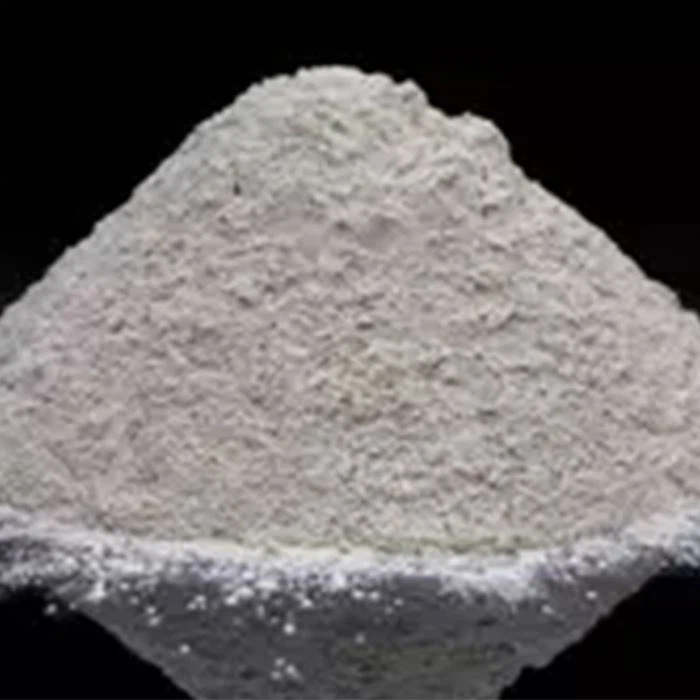

We take great care in the production process to ensure the low contamination and high purity of our Organoclay products. We source high - quality raw materials from reliable suppliers and use advanced purification techniques to remove any impurities. This results in a pure and consistent Organoclay product that can provide reliable performance in deep - well drilling applications.
Excellent Suspension and Cutting - Carrying Ability
The ability to suspend and carry cuttings is a critical function of the drilling fluid in deep - well oil drilling. As the drill bit breaks up the rock formations, the cuttings need to be transported to the surface in a timely manner to prevent them from accumulating in the wellbore.
The Oil Drilling Grade Organoclay plays a key role in providing the necessary suspension and cutting - carrying ability. It forms a gel - like structure in the drilling fluid, which helps to keep the cuttings in suspension. This ensures that the cuttings are continuously removed from the wellbore, reducing the risk of blockages and improving drilling efficiency.
Our Organoclay products are optimized to have excellent suspension and cutting - carrying properties. Through careful selection of clay minerals and chemical modification, we enhance the ability of the Organoclay to form a stable gel structure in the drilling fluid. This allows the fluid to effectively suspend and transport cuttings, even in deep and complex wellbores.
Conclusion
Deep - well oil drilling places unique and demanding requirements on Oil Drilling Grade Organoclay. High - temperature resistance, high - pressure tolerance, compatibility with different drilling fluids, low contamination, and excellent suspension and cutting - carrying ability are all essential characteristics. As a supplier of Oil Drilling Grade Organoclay, we are committed to meeting these requirements through continuous research and development, high - quality production, and strict quality control.
If you are involved in deep - well oil drilling operations and are looking for a reliable supplier of Oil Drilling Grade Organoclay, we invite you to contact us for a detailed discussion. Our team of experts can provide you with the right product solutions and technical support to ensure the success of your drilling projects.
References
- Smith, J. (2018). Advanced Drilling Fluids for Deep - Well Oil Drilling. Journal of Petroleum Engineering, 25(3), 123 - 135.
- Johnson, R. (2019). The Role of Organoclay in High - Temperature and High - Pressure Drilling Environments. International Journal of Drilling Technology, 18(2), 89 - 102.
- Brown, A. (2020). Compatibility of Organoclay with Different Drilling Fluid Systems. Drilling and Completion Engineering, 32(4), 201 - 212.