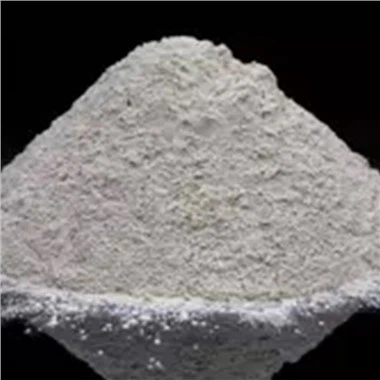
As a supplier of CMC Cellulose, I understand the importance of safety when handling this versatile product. CMC Cellulose, also known as Carboxymethyl Cellulose E466, is widely used in various industries, including food, pharmaceuticals, and cosmetics. In this blog post, I will share some essential safety precautions to ensure the well - being of those who handle CMC Cellulose.
Personal Protective Equipment (PPE)
When dealing with CMC Cellulose, wearing appropriate personal protective equipment is crucial. First and foremost, safety goggles should be worn at all times. CMC Cellulose in powder form can become airborne during handling, and particles may accidentally enter the eyes, causing irritation or more severe damage. Safety goggles act as a physical barrier, protecting the eyes from potential harm.
Gloves are another vital piece of PPE. Nitrile or latex gloves are recommended as they provide a good level of protection against direct skin contact with CMC Cellulose. Prolonged or repeated skin contact may lead to skin irritation, especially for individuals with sensitive skin. Gloves also prevent the transfer of CMC Cellulose from the hands to other surfaces or into the mouth.
A dust mask or respirator is necessary when working in an environment where CMC Cellulose dust is present. Inhalation of CMC Cellulose dust can cause respiratory problems, such as coughing, wheezing, and shortness of breath. A properly fitted respirator can filter out the dust particles, reducing the risk of inhalation. Additionally, wearing a lab coat or coveralls can prevent CMC Cellulose from soiling your regular clothing and also provides an extra layer of protection for your body.
Handling and Storage
Proper handling of CMC Cellulose starts with the way it is transported and stored. When receiving CMC Cellulose shipments, ensure that the containers are in good condition. Any damaged containers should be reported immediately to avoid potential spills. During transportation, CMC Cellulose should be secured to prevent it from tipping over or being damaged.
Storage is a critical aspect of safety. CMC Cellulose should be stored in a cool, dry place away from direct sunlight and sources of heat. High temperatures can cause the product to degrade, which may affect its quality and performance. The storage area should also be well - ventilated to prevent the accumulation of dust.
When handling CMC Cellulose, use appropriate tools such as scoops or spatulas. Avoid using your hands directly to minimize the risk of skin contact. When transferring CMC Cellulose from one container to another, do it slowly and carefully to prevent spills. In case of a spill, clean it up immediately using a vacuum cleaner with a HEPA filter or a damp cloth. This helps to prevent the dust from becoming airborne.
Hygiene Practices
Maintaining good hygiene practices is essential when handling CMC Cellulose. After handling the product, wash your hands thoroughly with soap and water. This helps to remove any traces of CMC Cellulose that may be on your hands and reduces the risk of ingestion. Avoid eating, drinking, or smoking in the area where CMC Cellulose is being handled to prevent accidental ingestion.
Regularly clean the work area where CMC Cellulose is used. Wipe down surfaces with a damp cloth to remove any dust particles. This not only helps to maintain a clean working environment but also reduces the risk of cross - contamination.
Fire and Chemical Hazards
Although CMC Cellulose is generally considered to be a non - flammable material, it can burn under certain conditions. It is important to keep CMC Cellulose away from open flames, sparks, and other sources of ignition. In case of a fire involving CMC Cellulose, use appropriate fire - fighting equipment such as dry chemical extinguishers.
When using CMC Cellulose in combination with other chemicals, it is essential to understand the potential chemical reactions. Some chemicals may react with CMC Cellulose, leading to the formation of hazardous substances. Always follow the recommended mixing ratios and procedures when combining CMC Cellulose with other chemicals.


Training and Education
All personnel involved in handling CMC Cellulose should receive proper training. Training should cover the properties of CMC Cellulose, safety precautions, and emergency procedures. Employees should be educated on the potential hazards associated with CMC Cellulose and how to prevent them.
Regular safety drills should be conducted to ensure that employees know what to do in case of an emergency, such as a spill or a fire. This helps to improve the overall safety awareness and preparedness of the workforce.
Emergency Response
In case of an emergency, such as a spill or a person being exposed to CMC Cellulose, there should be a well - defined emergency response plan. If a person's eyes are exposed to CMC Cellulose, immediately flush the eyes with plenty of water for at least 15 minutes and seek medical attention. If skin contact occurs, remove any contaminated clothing and wash the affected area with soap and water.
In the event of a large spill, evacuate the area immediately and notify the appropriate authorities. Have spill - control materials such as absorbent pads and neutralizing agents on hand to contain and clean up the spill as quickly as possible.
Conclusion
Handling CMC Cellulose safely is of utmost importance for the well - being of workers and the quality of the product. By following the safety precautions outlined in this blog post, including wearing appropriate PPE, proper handling and storage, maintaining good hygiene practices, being aware of fire and chemical hazards, providing training and education, and having an effective emergency response plan, the risks associated with handling CMC Cellulose can be significantly reduced.
If you are interested in purchasing high - quality Food Grade Granular CMC or other CMC Cellulose products, we are here to serve you. Our Carboxymethyl Cellulose E466 is produced with strict quality control to meet your specific requirements. Contact us for more information and to start a procurement negotiation.
References
- Chemical Safety Data Sheet for CMC Cellulose
- Industry standards and guidelines for handling cellulose - based products
- Occupational safety and health regulations related to handling industrial chemicals