Hey there! As a supplier of Polyanionic Cellulose PAC HV, I'm stoked to share with you the quality inspection items for this awesome product. PAC HV is widely used in the oil - drilling industry, and ensuring its quality is super important. So, let's dive right in!
Appearance and Physical Properties
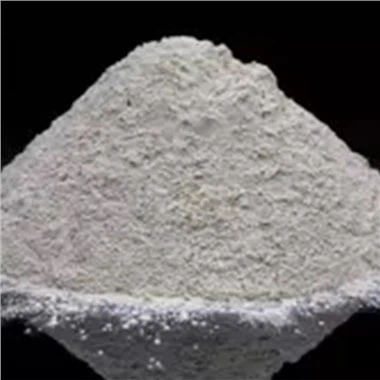
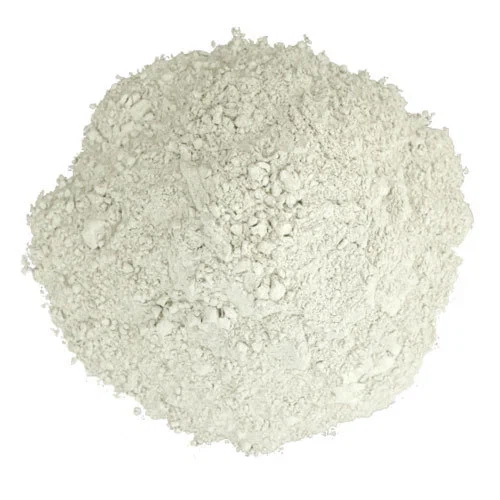
First off, we look at the appearance. The PAC HV should be a white or off - white powder. Any discoloration, like a yellowish or brownish tint, could be a red flag. Usually, this might indicate some impurities or improper storage conditions during production. We take samples and visually inspect them under good lighting to catch any obvious issues.
The particle size also matters a great deal. A proper particle size distribution ensures that the PAC HV can dissolve well in the drilling fluid. If the particles are too large, they might not dissolve completely, which can lead to clogging in the drilling equipment. On the other hand, if they're too small, they could react too quickly or might be difficult to handle. To check this, we use sieving methods. We pass the powder through a series of sieves with different mesh sizes and measure the amount of powder retained on each sieve. This helps us determine if the particle size is within the acceptable range.
Another key physical property is the bulk density. The bulk density gives us an idea of how much volume the powder will occupy. If the bulk density is too high, it might suggest that the powder is more compacted, which could affect its dissolution rate. We measure the bulk density by filling a specific container with the powder and weighing it. This simple test can tell us a lot about the physical characteristics of the PAC HV.
Chemical Composition
Moving on to the chemical side of things, the degree of substitution (DS) is a crucial factor. The DS refers to the number of hydroxyl groups in the cellulose molecule that have been replaced by anionic groups. A higher DS generally means better performance in terms of viscosity and fluid - loss control. We use chemical analysis methods, like titration, to determine the DS. By reacting the PAC HV with a specific reagent and measuring the amount of the reagent consumed, we can calculate the DS accurately.

The anionic group content is also vital. These anionic groups are what give PAC HV its unique properties, such as its ability to disperse in water and form a stable colloid. We use techniques like ion - exchange chromatography to measure the anionic group content. This method separates the different ions in the sample and allows us to quantify the anionic groups precisely.
Impurities are another aspect we pay close attention to. Things like heavy metals (e.g., lead, mercury, and cadmium) can be harmful to the environment and the drilling equipment. We use advanced analytical instruments, such as atomic absorption spectroscopy (AAS), to detect and measure the levels of these heavy metals. If the impurity levels exceed the allowable limits, the product won't pass the quality inspection.
Viscosity and Rheological Properties
Viscosity is one of the most important performance indicators of PAC HV. In the oil - drilling process, the drilling fluid needs to have the right viscosity to carry the cuttings to the surface effectively. We use viscometers to measure the viscosity of the PAC HV solution. There are different types of viscometers, such as rotational viscometers and capillary viscometers. We usually measure the viscosity at different shear rates because the drilling fluid experiences various shear conditions during the drilling process.
Rheological properties, which describe how the fluid flows under different conditions, are also crucial. We conduct tests to measure the yield point, plastic viscosity, and gel strength of the PAC HV solution. The yield point indicates the minimum force required to start the flow of the fluid, while the plastic viscosity reflects the internal resistance of the fluid to flow. The gel strength shows how well the fluid can hold the cuttings when the circulation stops. These properties are measured using specialized rheometers, and they help us ensure that the PAC HV can perform well in real - world drilling scenarios.
Solubility and Hydration
The solubility of PAC HV in water is a must - check item. It should dissolve quickly and completely in water to form a homogeneous solution. We test the solubility by adding a specific amount of PAC HV to a known volume of water and stirring it for a set period. Then, we visually inspect the solution to see if there are any undissolved particles. If there are, we might need to adjust the production process or check for other quality issues.
Hydration is related to solubility but focuses more on the interaction between the PAC HV and water molecules. A well - hydrated PAC HV solution will have better stability and performance. We can observe the hydration process by monitoring the change in viscosity over time after adding the PAC HV to water. If the viscosity increases steadily and reaches a stable value, it indicates good hydration.
Performance in Drilling Fluid
Finally, we test the PAC HV in a simulated drilling fluid environment. We mix it with other components of the drilling fluid, such as bentonite and barite, and then test the properties of the resulting drilling fluid. We check things like the fluid - loss control, which is crucial for preventing the loss of drilling fluid into the formation. A good PAC HV should be able to reduce the fluid loss significantly.
We also test the temperature and salt resistance of the PAC HV in the drilling fluid. In deep - well drilling, the drilling fluid is exposed to high temperatures and high salt concentrations. The PAC HV needs to maintain its performance under these harsh conditions. We conduct tests at different temperatures and salt concentrations to ensure that it can meet the requirements of different drilling operations.
If you're interested in our Polyanionic Cellulose PAC HV, we also offer Polyanionic Cellulose PAC DHV and Polyanionic Cellulose PAC LV with their own unique features. If you're in the market for high - quality PAC HV or other related products, don't hesitate to reach out for a procurement discussion. We're here to provide you with the best products and services to meet your needs.
References
- ASTM International standards for testing of polymers and related products
- Textbooks on oil - drilling fluids and their additives
- Research papers on the properties and applications of Polyanionic Cellulose