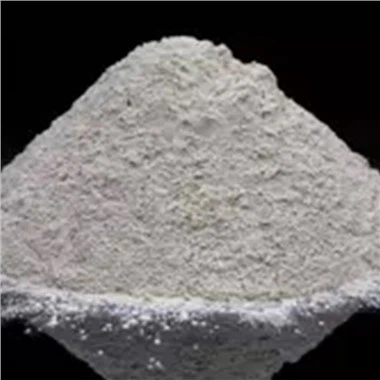
Polyanionic Cellulose (PAC) DLV is a crucial additive in various industries, especially in oil drilling. As a supplier of Polyanionic Cellulose PAC DLV, I've witnessed firsthand the significance of understanding the factors that influence its performance. In this blog, I'll delve into the key elements that can impact the effectiveness of PAC DLV and how they can be optimized for the best results.
Chemical Structure and Substitution Degree
The chemical structure of PAC DLV plays a fundamental role in its performance. PAC is a cellulose derivative obtained by chemically modifying natural cellulose. The degree of substitution (DS) refers to the average number of hydroxyl groups on each anhydroglucose unit of the cellulose backbone that have been replaced by anionic groups, typically carboxymethyl groups. A higher DS generally leads to better solubility and viscosity - building properties in PAC DLV.
When the DS is within an optimal range, PAC DLV can form a stable three - dimensional network in aqueous solutions. This network helps in suspending solids, reducing fluid loss, and maintaining the stability of drilling fluids. For example, in oil drilling, a well - substituted PAC DLV can prevent the invasion of drilling fluids into the formation, which is essential for wellbore stability. You can learn more about the product on our website Polyanionic Cellulose PAC DLV.
Molecular Weight
The molecular weight of PAC DLV is another critical factor. A higher molecular weight usually results in higher viscosity in solution. In drilling fluids, this increased viscosity is beneficial for carrying cuttings to the surface during the drilling process. However, if the molecular weight is too high, it may lead to poor solubility and increased friction in the drilling equipment.
On the other hand, a lower molecular weight PAC DLV may have better solubility but may not provide sufficient viscosity for effective cuttings transport. Therefore, finding the right balance in molecular weight is essential. Our company carefully controls the molecular weight during the production process to ensure that our PAC DLV meets the specific requirements of different applications.
Temperature and pH
Temperature and pH can significantly affect the performance of PAC DLV. At high temperatures, the viscosity of PAC DLV solutions may decrease due to the breakdown of the polymer chains. This phenomenon is known as thermal degradation. To counteract this, special additives or modified PAC DLV formulations may be required.
The pH of the solution also matters. PAC DLV generally performs well in a slightly alkaline to neutral pH range. In acidic conditions, the anionic groups on the PAC DLV may protonate, leading to a decrease in solubility and viscosity. For instance, in some geothermal drilling operations where high temperatures and variable pH conditions are common, careful consideration of these factors is necessary to maintain the performance of PAC DLV.
Impurities and Additives
The presence of impurities in PAC DLV can have a negative impact on its performance. Impurities such as salts, unreacted cellulose, or other contaminants can interfere with the formation of the polymer network, reducing its ability to control fluid loss and viscosity. During the production process, strict quality control measures are implemented to minimize the presence of impurities.
Additives can also be used to enhance the performance of PAC DLV. For example, some additives can improve the thermal stability of PAC DLV at high temperatures. Others can enhance its compatibility with other components in the drilling fluid system. However, the selection of additives must be carefully considered to avoid any adverse reactions with PAC DLV.
Shear Rate
In oil drilling operations, the drilling fluid is subjected to high shear rates as it passes through the drill bit and the annulus. The performance of PAC DLV under shear is important. At high shear rates, the viscosity of PAC DLV solutions may decrease, which is known as shear thinning. This property is actually beneficial in drilling as it allows the fluid to flow easily through the narrow spaces in the drill bit and the wellbore.
However, after the fluid exits the drill bit and enters the annulus where the shear rate is lower, the viscosity should increase again to effectively carry the cuttings to the surface. Our PAC DLV is designed to have good shear - thinning behavior to meet these requirements.
Comparison with Other Grades of PAC
It's also useful to compare PAC DLV with other grades of PAC, such as Polyanionic Cellulose PAC DHV and Polyanionic Cellulose PAC LV. PAC DHV typically has a higher viscosity and is more suitable for applications where high - viscosity fluids are required, such as deep - well drilling. PAC LV, on the other hand, has a lower viscosity and is often used in situations where lower - viscosity fluids are needed, like in some shallow - well drilling operations.
PAC DLV offers a balance between the two, providing moderate viscosity and good fluid - loss control. It can be used in a wide range of drilling operations, from medium - depth wells to some specialized applications where a combination of viscosity and fluid - loss control is required.


Conclusion
In conclusion, several factors influence the performance of Polyanionic Cellulose PAC DLV, including chemical structure, molecular weight, temperature, pH, impurities, additives, and shear rate. As a supplier, we are committed to producing high - quality PAC DLV that takes these factors into account. By understanding these factors, our customers can make more informed decisions when using PAC DLV in their applications.
If you are interested in our Polyanionic Cellulose PAC DLV products and would like to discuss your specific requirements, please feel free to contact us for a procurement negotiation. We are dedicated to providing you with the best solutions for your needs.
References
- Smith, J. (2018). Polymer Additives in Drilling Fluids. Oilfield Chemistry Journal, 25(3), 45 - 52.
- Johnson, A. (2019). The Role of Temperature and pH in Polymer Performance. Chemical Engineering Review, 32(2), 67 - 74.
- Brown, C. (2020). Molecular Weight Effects on Polyanionic Cellulose Properties. Polymer Science Magazine, 45(1), 12 - 19.