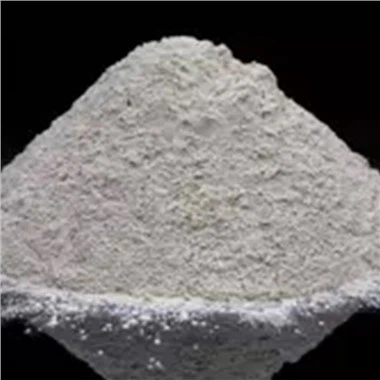
In the dynamic realm of personal care products, the pursuit of stable emulsions is a cornerstone for formulators. Emulsions, which are mixtures of two immiscible liquids such as oil and water, are ubiquitous in products like creams, lotions, and serums. Their stability directly impacts the product's appearance, texture, shelf - life, and overall performance. One ingredient that has been making waves in enhancing emulsion stability is Polyanionic Cellulose PAC DHV. As a proud supplier of Polyanionic Cellulose PAC DHV, I am excited to delve into the effects this remarkable substance has on emulsion stability in personal care products.
Understanding Emulsion Stability in Personal Care Products
Before we explore the role of Polyanionic Cellulose PAC DHV, it's essential to understand what emulsion stability means in the context of personal care. An ideal emulsion in a personal care product should remain homogeneous over time, with no visible separation of the oil and water phases. It should also maintain its desired texture, whether it's a light, silky lotion or a rich, creamy moisturizer. Instability can lead to issues such as creaming, where the oil droplets rise to the surface, or coalescence, where the droplets merge, ultimately resulting in phase separation.
Several factors can affect emulsion stability, including the type and concentration of emulsifiers, the ratio of oil to water, the presence of electrolytes, and the pH of the formulation. Temperature fluctuations during storage and transportation can also pose challenges to emulsion stability.
The Science Behind Polyanionic Cellulose PAC DHV
Polyanionic Cellulose PAC DHV is a modified cellulose derivative. Cellulose, a natural polymer found in plant cell walls, is known for its excellent thickening and stabilizing properties. Through chemical modification, Polyanionic Cellulose PAC DHV is created, which has enhanced solubility and performance characteristics.
The polyanionic nature of PAC DHV means it has multiple negative charges on its molecular structure. These charges play a crucial role in its interaction with other components in an emulsion. When added to an emulsion system, PAC DHV can adsorb onto the surface of oil droplets, creating a protective layer. This layer helps to prevent the oil droplets from coming into close contact with each other, thus reducing the likelihood of coalescence.
Effects on Emulsion Stability
1. Viscosity Enhancement
One of the primary ways Polyanionic Cellulose PAC DHV improves emulsion stability is by increasing the viscosity of the continuous phase, which is usually the water phase in most personal care emulsions. As the viscosity of the continuous phase rises, the movement of oil droplets is restricted. This reduced mobility makes it more difficult for the oil droplets to collide and coalesce.
For example, in a lotion formulation, adding an appropriate amount of Polyanionic Cellulose PAC DHV can transform a thin, runny product into a more viscous and stable one. The increased viscosity also contributes to the product's texture, giving it a luxurious feel that consumers often associate with high - quality personal care items. You can learn more about Polyanionic Cellulose PAC DHV on our website.
2. Electrostatic Repulsion
As mentioned earlier, the polyanionic nature of PAC DHV imparts negative charges to the surface of oil droplets. These negatively charged droplets repel each other due to electrostatic forces. This repulsion acts as a barrier, preventing the oil droplets from aggregating and coalescing.
In a formulation with a high salt content or in the presence of electrolytes, which can otherwise destabilize an emulsion, the electrostatic repulsion provided by PAC DHV becomes even more crucial. It counteracts the effects of the electrolytes, helping to maintain the integrity of the emulsion.
3. Steric Stabilization
In addition to electrostatic repulsion, Polyanionic Cellulose PAC DHV also provides steric stabilization. The polymer chains of PAC DHV form a physical barrier around the oil droplets. This barrier prevents the droplets from getting too close to each other and merging.
This steric stabilization is particularly effective in preventing creaming. The long polymer chains of PAC DHV entangle with each other, creating a three - dimensional network in the continuous phase. This network holds the oil droplets in place, preventing them from rising to the surface.


4. Compatibility with Other Ingredients
Another advantage of using Polyanionic Cellulose PAC DHV in personal care emulsions is its excellent compatibility with a wide range of other ingredients. It can be used in combination with various emulsifiers, preservatives, and active ingredients without causing any adverse effects on the emulsion stability.
For instance, it can work synergistically with non - ionic emulsifiers to enhance their performance. The combination of PAC DHV and an appropriate non - ionic emulsifier can result in a more stable and long - lasting emulsion compared to using the emulsifier alone.
Comparison with Other Polyanionic Cellulose Grades
In addition to Polyanionic Cellulose PAC DHV, there are other grades such as Polyanionic Cellulose PAC LV and Polyanionic Cellulose PAC DLV. While these grades also offer thickening and stabilizing properties, PAC DHV is specifically designed for applications where high - viscosity and enhanced stability are required.
PAC LV and PAC DLV may be more suitable for formulations where a lower viscosity is desired or where the emulsion system is less complex. However, for personal care products that demand a high level of stability, especially those exposed to harsh conditions such as temperature variations, PAC DHV is often the preferred choice.
Real - World Applications
The effects of Polyanionic Cellulose PAC DHV on emulsion stability have been widely recognized in the personal care industry. It is used in a variety of products, including anti - aging creams, sunscreens, and hair conditioners.
In anti - aging creams, where the formulation often contains a high concentration of active ingredients and may be more prone to instability, PAC DHV helps to keep the emulsion intact. This ensures that the active ingredients are evenly distributed throughout the product, maximizing their effectiveness.
Sunscreens also benefit from the stability provided by PAC DHV. These products need to maintain their integrity under different environmental conditions, including exposure to sunlight and heat. PAC DHV helps to prevent the separation of the oil - based UV - filtering agents from the water phase, ensuring consistent protection.
Hair conditioners, which are typically oil - in - water emulsions, can achieve a smoother and more stable texture with the addition of PAC DHV. It helps to prevent the oil droplets from aggregating, resulting in a product that is easier to apply and leaves the hair feeling soft and manageable.
Conclusion
In conclusion, Polyanionic Cellulose PAC DHV is a powerful tool for enhancing the stability of emulsions in personal care products. Its ability to increase viscosity, provide electrostatic and steric stabilization, and its compatibility with other ingredients make it an ideal choice for formulators looking to create high - quality, stable emulsions.
As a supplier of Polyanionic Cellulose PAC DHV, we are committed to providing our customers with the highest - quality product and excellent technical support. If you are interested in learning more about how Polyanionic Cellulose PAC DHV can improve the stability of your personal care emulsions or if you are ready to discuss procurement, we invite you to reach out. Our team of experts is eager to work with you to find the best solutions for your specific formulation needs.
References
- McClements, D. J. (2005). Food Emulsions: Principles, Practice, and Techniques. CRC Press.
- Friberg, S. E., Larsson, K., & Sjoblom, J. (Eds.). (2004). Encyclopedia of Emulsion Technology. Marcel Dekker.
- Lissant, K. J. (Ed.). (1974). Emulsion Technology. Marcel Dekker.