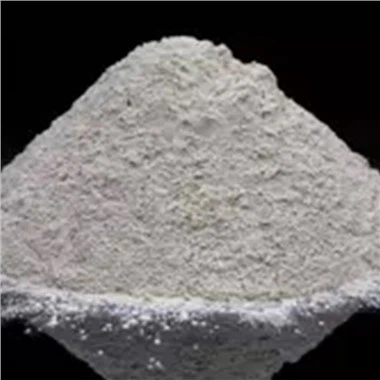
As a CMC Cellulose supplier, I understand the crucial role that water - retention capacity plays in the performance of CMC Cellulose across various industries. Carboxymethyl Cellulose (CMC) is a versatile polymer with wide - ranging applications, from food and pharmaceuticals to oil drilling and paper manufacturing. In this blog, I will share some effective strategies to enhance the water - retention capacity of CMC Cellulose.
Understanding the Basics of CMC Cellulose and Water Retention
Before delving into the methods of improving water - retention capacity, it is essential to understand the fundamental principles behind how CMC interacts with water. CMC is a cellulose derivative where some of the hydroxyl groups in the cellulose backbone are substituted with carboxymethyl groups. These carboxymethyl groups are hydrophilic, which means they have an affinity for water. When CMC is dispersed in water, the polymer chains swell as water molecules are attracted to the carboxymethyl groups, forming a gel - like structure. This gel structure is responsible for the water - holding capacity of CMC.
1. Adjusting the Degree of Substitution (DS)
The degree of substitution refers to the average number of carboxymethyl groups substituted per anhydroglucose unit in the cellulose chain. A higher degree of substitution generally leads to better water - retention capacity. When the DS is increased, more carboxymethyl groups are available to interact with water molecules. This results in a greater number of hydrogen bonds being formed between the CMC and water, enhancing the swelling ability of the polymer and its capacity to hold water.
However, an extremely high DS can also have some drawbacks. It may lead to increased viscosity, which can be a problem in applications where low - viscosity solutions are required. Therefore, it is necessary to find an optimal DS based on the specific requirements of the application. For example, in food applications such as salad dressings, a moderate DS of around 0.7 - 0.9 is often preferred to balance water - retention and viscosity.
2. Controlling the Molecular Weight
The molecular weight of CMC also has a significant impact on its water - retention capacity. Higher - molecular - weight CMC polymers have longer chains, which can entangle with each other more effectively. This entanglement creates a more stable network structure that can trap and hold water molecules more securely.
When choosing CMC with a high molecular weight, it is important to consider the processing conditions. High - molecular - weight CMC may require more energy and time to dissolve in water, and it can also increase the viscosity of the solution significantly. In some cases, a blend of different molecular - weight CMCs can be used to achieve the desired water - retention and viscosity properties. For instance, in the production of toothpaste, a combination of high - and low - molecular - weight CMCs can be employed to ensure good water - retention and proper texture.


3. Modifying the Cross - Linking
Cross - linking CMC can be an effective way to enhance its water - retention capacity. Cross - linking refers to the formation of chemical bonds between different CMC chains. This creates a three - dimensional network structure that is more resistant to deformation and can hold water more tightly.
There are several methods to cross - link CMC. One common method is to use cross - linking agents such as glutaraldehyde or epichlorohydrin. These agents react with the carboxymethyl groups on the CMC chains, forming covalent bonds between them. Another approach is to use physical cross - linking methods, such as radiation - induced cross - linking.
However, cross - linking must be carefully controlled. Over - cross - linking can reduce the solubility of CMC and make it difficult to disperse in water, while under - cross - linking may not provide the desired improvement in water - retention capacity. For example, in the production of superabsorbent polymers for diapers, a precisely controlled cross - linking process is used to ensure maximum water - absorption and retention.
4. Optimizing the pH of the Solution
The pH of the solution in which CMC is dissolved can also affect its water - retention capacity. CMC is an anionic polymer, and its ionization state is influenced by the pH of the solution. At a low pH, the carboxymethyl groups on the CMC chains are protonated, which reduces their hydrophilicity and water - holding ability. As the pH increases, the carboxymethyl groups become deprotonated, and the polymer becomes more negatively charged. This negative charge leads to electrostatic repulsion between the CMC chains, causing them to expand and increasing the water - retention capacity.
In most applications, a slightly alkaline pH (around 7 - 9) is optimal for maximizing the water - retention capacity of CMC. For example, in the paper industry, adjusting the pH of the pulp suspension to the appropriate range can improve the water - retention of CMC, which in turn enhances the strength and quality of the paper.
5. Using Additives
Certain additives can be used in combination with CMC to enhance its water - retention capacity. For example, salts can have a significant impact on the water - holding properties of CMC. Some salts, such as sodium chloride, can interact with the CMC chains and change their conformation, leading to an increase in water - retention.
Polymers such as polyvinyl alcohol (PVA) can also be used as additives. PVA can form hydrogen bonds with CMC and water molecules, creating a more complex network structure that improves water - retention. In addition, surfactants can be added to improve the dispersion of CMC in water, which can indirectly enhance its water - retention capacity.
Applications and the Importance of Water - Retention
In the food industry, CMC is widely used as a thickener, stabilizer, and emulsifier. Food Grade Powder CMC with high water - retention capacity can prevent the separation of ingredients in products such as ice cream, yogurt, and sauces. It helps to maintain the texture and consistency of these products over time, improving their shelf - life and quality.
In the pharmaceutical industry, Sodium Carboxymethyl is used in tablets, capsules, and topical formulations. Good water - retention capacity is essential for ensuring the proper dissolution and release of drugs. It can also improve the stability of the formulation and prevent the drying out of the product.
In the oil and gas industry, Carboxymethyl Cellulose Sodium is used as a fluid - loss control agent in drilling fluids. High water - retention capacity helps to maintain the viscosity of the drilling fluid and prevent the loss of water into the surrounding rock formations, which is crucial for the efficiency and safety of the drilling process.
Conclusion
Enhancing the water - retention capacity of CMC Cellulose is a multi - faceted process that involves adjusting the degree of substitution, controlling the molecular weight, modifying cross - linking, optimizing the pH of the solution, and using additives. By understanding the underlying principles and carefully selecting the appropriate methods, we can tailor the water - retention properties of CMC to meet the specific needs of different applications.
As a CMC Cellulose supplier, I am committed to providing high - quality products with excellent water - retention capabilities. If you are interested in learning more about our CMC Cellulose products or have specific requirements for your application, please feel free to contact us for procurement and further discussions. We look forward to working with you to find the best CMC solutions for your business.
References
- Davidson, R. L., & Sittig, M. (1962). Water - soluble gums and resins. Reinhold Publishing Corporation.
- Peppas, N. A., & Bures, P., & Leobandung, W., & Ichikawa, H. (2000). Hydrogels in pharmaceutical formulations. European Journal of Pharmaceutics and Biopharmaceutics, 50(1), 27 - 46.
- Rutenberg, M. W., & Sobotka, H. (1981). Industrial gums: Polysaccharides and their derivatives. Academic Press.