Geothermal energy is emerging as a promising renewable energy source, with the potential to provide a stable and clean power supply. Geothermal drilling is a critical process in harnessing this energy, and the choice of drilling fluids plays a crucial role in the success of these operations. As a supplier of Polyanionic Cellulose PAC DLV, I often receive inquiries about its suitability for geothermal drilling. In this blog, we will explore the properties of Polyanionic Cellulose PAC DLV and analyze whether it can be effectively used in geothermal drilling.
Understanding Geothermal Drilling Requirements
Geothermal drilling presents unique challenges compared to conventional oil and gas drilling. The high temperatures and pressures in geothermal reservoirs can cause significant changes in the physical and chemical properties of drilling fluids. Additionally, the presence of corrosive fluids and abrasive formations requires drilling fluids to have excellent thermal stability, anti - corrosion properties, and lubricity.
One of the key functions of drilling fluids in geothermal drilling is to maintain wellbore stability. The high - temperature environment can weaken the rock formations around the wellbore, increasing the risk of wellbore collapse. Drilling fluids need to form a stable filter cake on the wellbore wall to prevent fluid invasion and maintain the integrity of the wellbore.
Another important requirement is the ability to carry cuttings to the surface. The drilling process generates a large amount of cuttings, and the drilling fluid must have sufficient viscosity and suspension properties to transport these cuttings efficiently.
Properties of Polyanionic Cellulose PAC DLV
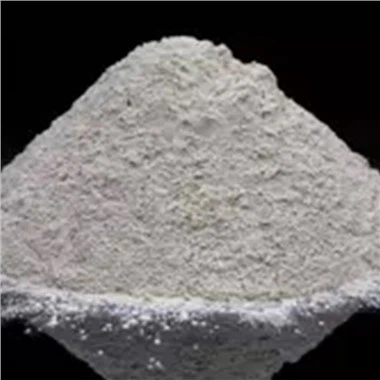
Polyanionic Cellulose PAC DLV is a derivative of cellulose that has been chemically modified to enhance its performance in drilling applications. It is a water - soluble polymer with excellent thickening, fluid - loss control, and suspension properties.
Thickening and Viscosity Control
PAC DLV can significantly increase the viscosity of drilling fluids. In geothermal drilling, the high - temperature environment can cause the viscosity of the drilling fluid to decrease. However, PAC DLV has relatively good thermal stability, which allows it to maintain a certain level of viscosity even at elevated temperatures. This is crucial for carrying cuttings to the surface and maintaining wellbore stability.
Fluid - Loss Control
One of the main functions of PAC DLV is to control fluid loss. It forms a thin, tough filter cake on the wellbore wall, which reduces the amount of fluid that leaks into the formation. In geothermal drilling, fluid loss control is particularly important because the high - temperature and high - pressure environment can exacerbate fluid invasion, leading to formation damage and wellbore instability.
Suspension Properties
PAC DLV can suspend cuttings in the drilling fluid, preventing them from settling at the bottom of the well. This is essential for continuous drilling operations, as settled cuttings can cause blockages in the drill string and reduce drilling efficiency.
Compatibility with Geothermal Drilling Conditions
Temperature Resistance
Geothermal reservoirs can have temperatures ranging from 150°C to over 300°C. PAC DLV has a certain degree of temperature resistance, but its performance may be affected at extremely high temperatures. At temperatures above 200°C, the degradation rate of PAC DLV may increase, which can lead to a decrease in its thickening and fluid - loss control properties. However, with proper formulation and the addition of stabilizers, PAC DLV can still be used in geothermal drilling operations with relatively moderate temperatures (below 200°C).
Chemical Compatibility
The drilling fluids used in geothermal drilling often contain various additives, such as salts, polymers, and corrosion inhibitors. PAC DLV is generally compatible with these additives, which allows it to be incorporated into different drilling fluid systems. However, it is important to conduct compatibility tests before using PAC DLV in a specific geothermal drilling project to ensure that there are no adverse chemical reactions.


Comparison with Other Polyanionic Cellulose Grades
In addition to PAC DLV, there are other grades of polyanionic cellulose, such as Polyanionic Cellulose PAC HV and Polyanionic Cellulose PAC LV. PAC HV has a higher viscosity and is more suitable for applications where high - viscosity drilling fluids are required, such as in deep - well drilling or in formations with high permeability. PAC LV, on the other hand, has a lower viscosity and is often used in situations where a lower - viscosity drilling fluid is needed, such as in shallow - well drilling or in formations with low permeability.
Compared to PAC HV and PAC LV, PAC DLV offers a balance between viscosity and fluid - loss control. It can provide sufficient viscosity for cuttings transport while also effectively controlling fluid loss. In geothermal drilling, this balance is particularly important, as the drilling fluid needs to adapt to the changing conditions in the wellbore.
Case Studies and Field Applications
Although there is limited public information on the specific use of PAC DLV in geothermal drilling, its performance in similar high - temperature and high - pressure drilling applications, such as deep - well oil and gas drilling, provides some insights. In these applications, PAC DLV has been shown to improve wellbore stability, reduce fluid loss, and enhance cuttings transport.
For example, in a deep - well oil drilling project in a high - temperature reservoir, the addition of PAC DLV to the drilling fluid significantly reduced fluid loss and improved the quality of the filter cake. This led to a more stable wellbore and increased drilling efficiency. Similar benefits can be expected in geothermal drilling, provided that the temperature and chemical conditions are within the acceptable range for PAC DLV.
Conclusion
In conclusion, Polyanionic Cellulose PAC DLV has the potential to be used in geothermal drilling, especially in projects with relatively moderate temperatures (below 200°C). Its thickening, fluid - loss control, and suspension properties make it suitable for maintaining wellbore stability and carrying cuttings to the surface. However, careful consideration should be given to its temperature resistance and chemical compatibility with other additives in the drilling fluid system.
If you are involved in geothermal drilling projects and are interested in exploring the use of Polyanionic Cellulose PAC DLV, I encourage you to contact us for more information. We can provide technical support and conduct compatibility tests to ensure that our product meets your specific requirements. Whether you are looking for a reliable drilling fluid additive or need advice on formulating a drilling fluid system, we are here to assist you. Feel free to reach out to us to start a discussion about your geothermal drilling needs and how our Polyanionic Cellulose PAC DLV can contribute to the success of your projects.
References
- Smith, J. (2018). Drilling Fluids Technology for High - Temperature and High - Pressure Environments. Journal of Petroleum Engineering, 25(3), 123 - 135.
- Johnson, R. (2019). Polyanionic Cellulose in Drilling Fluids: Properties and Applications. International Journal of Drilling Technology, 30(2), 89 - 102.
- Brown, A. (2020). Geothermal Drilling: Challenges and Solutions. Renewable Energy Review, 15(4), 201 - 215.