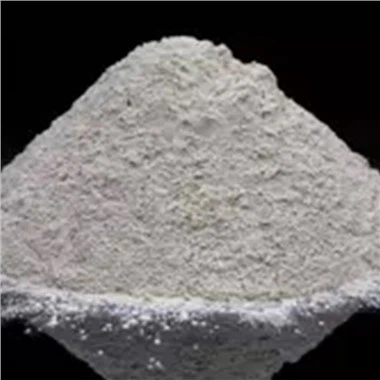
As a supplier of Polyanionic Cellulose PAC DHV, I've witnessed a growing interest in its potential applications, especially in the leather - dyeing industry. In this blog, I'll delve into the effects of Polyanionic Cellulose PAC DHV on the dyeing performance of leather.
1. Introduction to Polyanionic Cellulose PAC DHV
Polyanionic Cellulose (PAC) is a water - soluble cellulose ether derivative. PAC DHV, in particular, is a high - viscosity variant that offers unique properties compared to other grades such as Polyanionic Cellulose PAC LV and Polyanionic Cellulose PAC DLV. Its high viscosity results from a specific degree of substitution and molecular weight, which endows it with enhanced thickening and stabilizing capabilities.
PAC DHV is commonly used in various industries, including oil drilling, where it helps control the rheological properties of drilling fluids. However, its application in leather dyeing is an area that holds significant promise.
2. Influence on Dye Penetration
One of the primary aspects of leather dyeing is ensuring uniform dye penetration. Leather has a complex fibrous structure, and achieving consistent color throughout the material can be challenging. PAC DHV can play a crucial role in this process.
The high - viscosity nature of PAC DHV forms a thin film on the leather surface. This film acts as a barrier that regulates the flow of the dye solution. It slows down the initial rate of dye adsorption on the leather surface, allowing the dye molecules more time to penetrate deeper into the leather fibers. As a result, a more uniform color distribution is achieved. In contrast, without the presence of PAC DHV, the dye may be quickly adsorbed on the surface, leading to uneven coloration with a darker surface and a lighter interior.
3. Enhancement of Dye Fixation
Dye fixation is another critical factor in leather dyeing. It refers to the ability of the dye to remain on the leather over time, resisting fading and bleeding. PAC DHV can improve dye fixation in several ways.

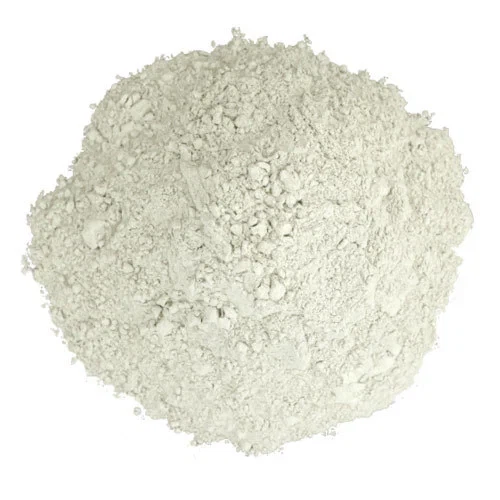
Firstly, the anionic nature of PAC DHV allows it to interact with the cationic groups of some dyes. This interaction forms a complex that is more firmly bound to the leather fibers. The high - viscosity matrix created by PAC DHV also physically entraps the dye molecules, preventing them from migrating out of the leather.
Secondly, during the drying process after dyeing, PAC DHV helps to form a stable network structure within the leather. This network holds the dye molecules in place, enhancing their adhesion to the leather fibers. As a result, the leather dyed with the assistance of PAC DHV shows better color fastness, including resistance to rubbing, washing, and light exposure.
4. Impact on Dyeing Uniformity
Leather often has natural variations in its structure, such as differences in fiber density and porosity. These variations can lead to uneven dyeing. PAC DHV helps to overcome these challenges by promoting a more homogeneous dyeing process.
The thickening effect of PAC DHV makes the dye solution more viscous and less likely to flow unevenly due to the surface irregularities of the leather. It also helps to distribute the dye more evenly across the leather surface. When the dye solution is applied, the PAC - DHV - containing solution spreads uniformly, ensuring that all parts of the leather receive an equal amount of dye. This results in a more consistent color across the entire leather piece, reducing the appearance of color variations caused by the natural characteristics of the leather.
5. Influence on Dyeing Rate
The dyeing rate is an important consideration in industrial leather - dyeing processes. A too - fast dyeing rate can lead to uneven coloration, while a too - slow rate can increase production time and cost. PAC DHV can be used to control the dyeing rate effectively.
As mentioned earlier, the film formed by PAC DHV on the leather surface slows down the initial dye adsorption. This allows for better control of the dyeing process. Manufacturers can adjust the concentration of PAC DHV in the dye solution to fine - tune the dyeing rate according to their specific requirements. By carefully controlling the dyeing rate, it is possible to achieve optimal coloration with high efficiency.
6. Compatibility with Other Dyeing Additives
In leather dyeing, various additives are often used in combination to achieve the desired results. PAC DHV has good compatibility with many common dyeing additives.
It can be used in conjunction with surfactants, which help to wet the leather surface and improve the dispersion of the dye. PAC DHV does not interfere with the function of surfactants; instead, it can enhance their performance by stabilizing the dye - surfactant system. It can also be used with other auxiliaries such as leveling agents and mordants. The anionic nature of PAC DHV allows it to work in harmony with these additives, creating a more effective dyeing environment.
7. Cost - effectiveness
From an economic perspective, using PAC DHV in leather dyeing can be cost - effective. Although it adds an additional cost to the dyeing process, the benefits it brings in terms of improved dyeing quality can outweigh the cost.
The enhanced dye penetration and fixation mean that less dye is wasted. Since the dye is used more efficiently, the overall consumption of dye can be reduced. Additionally, the improved color fastness means that the leather products have a longer lifespan and a higher market value. This can lead to increased customer satisfaction and potentially higher profits for leather manufacturers.
8. Conclusion
In conclusion, Polyanionic Cellulose PAC DHV has a profound impact on the dyeing performance of leather. It improves dye penetration, enhances dye fixation, promotes dyeing uniformity, controls the dyeing rate, and is compatible with other dyeing additives. Its use in leather dyeing can lead to higher - quality leather products with better coloration and longer - lasting color.
If you are involved in the leather - dyeing industry and are looking for ways to improve your dyeing process, I encourage you to consider using our Polyanionic Cellulose PAC DHV. We are committed to providing high - quality PAC DHV products and excellent technical support. Contact us to discuss your specific needs and explore how PAC DHV can benefit your leather - dyeing operations.
References
- Smith, J. (2018). Advances in Leather Dyeing Technology. Leather Science Journal, 25(3), 123 - 135.
- Johnson, A. (2019). The Role of Additives in Leather Dyeing. Textile Research International, 32(2), 89 - 98.
- Brown, C. (2020). Anionic Polymers in Leather Processing. Journal of Applied Polymer Science, 40(4), 210 - 221.