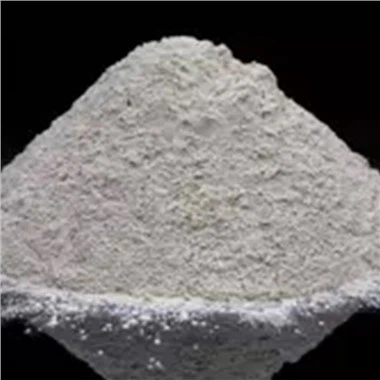
In the realm of industrial polymers, Polyanionic Cellulose (PAC) and Carboxymethyl Cellulose (CMC) are two substances that often come under scrutiny for their wide - ranging applications. As a supplier of Polyanionic Cellulose PAC LV, I have witnessed firsthand the diverse needs of industries and the unique roles these polymers play. This blog post aims to delve into the differences between Polyanionic Cellulose PAC LV and Carboxymethyl Cellulose, providing a comprehensive understanding for those in search of the right polymer for their specific applications.
Chemical Structure and Composition
The chemical structure is the fundamental aspect that differentiates PAC LV and CMC. Carboxymethyl Cellulose is a cellulose derivative where some of the hydroxyl groups in the cellulose backbone are substituted with carboxymethyl groups (-CH₂COOH). The degree of substitution (DS), which indicates the average number of substituted hydroxyl groups per anhydroglucose unit, can vary, typically ranging from 0.4 to 1.5. This substitution imparts water - solubility and other useful properties to the cellulose.
On the other hand, Polyanionic Cellulose PAC LV is also a cellulose ether, but it has a more refined and specific chemical modification. PAC LV is prepared through a series of chemical reactions that introduce polyanionic groups onto the cellulose chain. These polyanionic groups enhance the polymer's ability to interact with water molecules and other substances in solution. The polyanionic nature gives PAC LV a higher charge density compared to CMC, which has significant implications for its performance in various applications.
Physical Properties
Solubility
Both PAC LV and CMC are water - soluble polymers, but their solubility characteristics differ. CMC can dissolve in cold water, although the dissolution process may be relatively slow and may require agitation to ensure complete dispersion. The solubility of CMC can be affected by factors such as the degree of substitution and the molecular weight.
PAC LV, however, has excellent solubility in both cold and hot water. It dissolves rapidly, forming a clear and homogeneous solution. This rapid solubility is a significant advantage in applications where quick - acting solutions are required, such as in oil drilling fluids. The polyanionic groups in PAC LV help to break down the polymer chains and facilitate their dispersion in water, resulting in a faster dissolution rate.
Viscosity
Viscosity is a crucial property in many applications, especially in industries like oil drilling, food, and pharmaceuticals. CMC solutions typically exhibit a wide range of viscosities depending on the molecular weight and the degree of substitution. Higher molecular weight CMCs can form highly viscous solutions, which are useful for thickening and stabilizing applications.
PAC LV, as the name suggests, is a low - viscosity grade of Polyanionic Cellulose. It provides a relatively low - viscosity solution compared to some high - molecular - weight CMCs. This low - viscosity characteristic is beneficial in applications where a thin, flowing solution is required, such as in some types of drilling fluids where excessive viscosity can impede the flow of the fluid and reduce drilling efficiency. However, it's important to note that there are also high - viscosity grades of PAC, such as Polyanionic Cellulose PAC HV and Polyanionic Cellulose PAC DHV, which can be used in applications requiring higher viscosities.
Thermal Stability
Thermal stability is another area where PAC LV and CMC differ. CMC can start to degrade at relatively low temperatures, especially in the presence of acids or alkalis. The degradation can lead to a loss of viscosity and other functional properties, limiting its use in high - temperature applications.
PAC LV, on the other hand, has better thermal stability. It can withstand higher temperatures without significant degradation, making it suitable for applications in high - temperature environments, such as deep - well oil drilling. The polyanionic groups in PAC LV help to protect the cellulose backbone from thermal degradation, ensuring the polymer maintains its performance even under extreme conditions.
Applications
Oil Drilling
In the oil drilling industry, both PAC LV and CMC are used as additives in drilling fluids. CMC is commonly used as a viscosifier and fluid - loss control agent. It helps to increase the viscosity of the drilling fluid, which in turn helps to suspend cuttings and prevent them from settling at the bottom of the well. CMC also reduces fluid loss into the formation, which is important for maintaining wellbore stability.
PAC LV, however, offers several advantages in oil drilling applications. Its rapid solubility allows for quick preparation of drilling fluids on - site. The low - viscosity characteristic of PAC LV is beneficial in situations where a thinner fluid is required to facilitate the flow of the drilling fluid through the wellbore. Additionally, its excellent thermal stability makes it suitable for high - temperature wells, where CMC may degrade and lose its effectiveness.
Food Industry
In the food industry, CMC is widely used as a thickener, stabilizer, and emulsifier. It can be found in products such as ice cream, salad dressings, and baked goods. CMC helps to improve the texture and stability of these products, preventing ice crystal formation in ice cream and separating in salad dressings.
PAC LV is not as commonly used in the food industry as CMC. However, its unique properties may make it suitable for some specialized food applications in the future. For example, its rapid solubility and low - viscosity characteristics could be useful in the production of certain types of beverages or sauces where quick - dissolving and thin - flowing additives are required.
Pharmaceutical Industry
In the pharmaceutical industry, CMC is used as a binder, disintegrant, and suspending agent in tablets and capsules. It helps to hold the ingredients together in tablets and facilitates their disintegration in the digestive tract.
PAC LV's potential in the pharmaceutical industry is still being explored. Its thermal stability and rapid solubility could make it an attractive option for certain types of pharmaceutical formulations, especially those that require stability at high temperatures or quick dissolution in the body.
Cost - Effectiveness
The cost of PAC LV and CMC can vary depending on factors such as the grade, quality, and supplier. Generally, CMC is more widely available and is often less expensive than PAC LV. This is because CMC has been in the market for a longer time and is produced on a larger scale.
However, when considering the overall cost - effectiveness, it's important to take into account the performance of the polymer in the specific application. In some cases, the superior properties of PAC LV, such as its rapid solubility, thermal stability, and low - viscosity characteristics, may justify the higher cost. For example, in high - temperature oil drilling applications, the use of PAC LV can lead to increased drilling efficiency and reduced downtime, which can offset the higher initial cost.
Conclusion
In conclusion, while both Polyanionic Cellulose PAC LV and Carboxymethyl Cellulose are cellulose - based polymers with similar origins, they have distinct differences in chemical structure, physical properties, applications, and cost - effectiveness. As a supplier of Polyanionic Cellulose PAC LV, I understand the importance of choosing the right polymer for each application. Whether you are in the oil drilling, food, pharmaceutical, or other industries, a thorough understanding of these differences can help you make an informed decision.
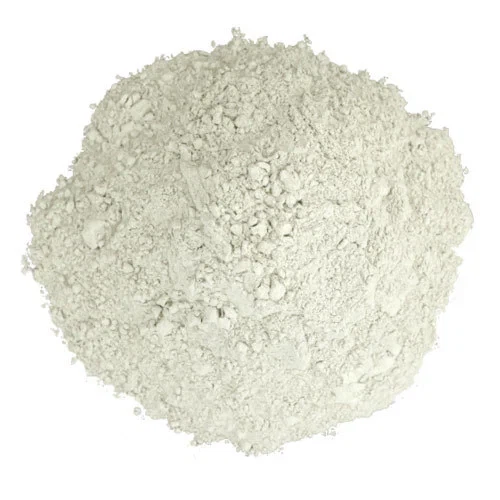

If you are interested in learning more about Polyanionic Cellulose PAC LV or are looking to purchase our products for your specific application, I encourage you to reach out for a detailed discussion. We are committed to providing high - quality products and excellent customer service to meet your needs.
References
- Whistler, R. L., & BeMiller, J. N. (Eds.). (1993). Industrial Gums: Polysaccharides and Their Derivatives. Academic Press.
- Davidson, R. L., & Sittig, M. (1968). Water - Soluble Resins. Reinhold Publishing Corporation.
- Schroeder, A. C. (2004). Cellulose Derivatives: Properties and Nanocomposites. Springer.