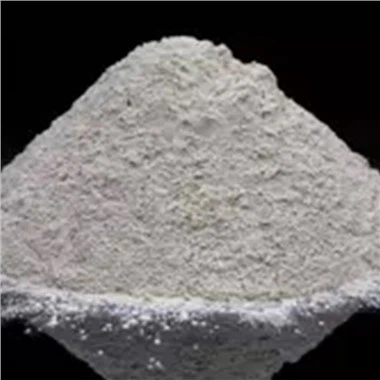
Hey there! If you're in the market for cellulose derivatives, you've probably come across Carboxymethyl Cellulose (CMC). As a CMC supplier, I've seen firsthand how it stacks up against other cellulose derivatives. So, let's dive into the differences between CMC and its cellulose cousins.
Solubility and Hydrophilicity
One of the major differences between CMC and other cellulose derivatives lies in their solubility and hydrophilicity. Unlike some cellulose derivatives that are insoluble or only sparingly soluble in water, CMC is highly soluble in both cold and hot water. This property makes it incredibly versatile in various applications.
For example, in the food industry, the high solubility of Food Grade Powder CMC allows it to be easily incorporated into a wide range of products. It can be used as a thickener, stabilizer, or emulsifier in beverages, soups, and dairy products. When you add CMC to a liquid, it quickly dissolves, forming a viscous solution that helps to keep the ingredients evenly distributed.
On the other hand, some cellulose derivatives like ethyl cellulose are hydrophobic. They are more soluble in organic solvents than in water. This limits their use in water - based applications but makes them suitable for things like coatings and encapsulation where water resistance is required.
Viscosity and Thickening Ability
CMC is well - known for its excellent thickening ability. When dissolved in water, it can significantly increase the viscosity of the solution at relatively low concentrations. The degree of substitution (DS) of the carboxymethyl groups in CMC plays a crucial role in determining its viscosity. A higher DS generally leads to a higher viscosity.
In comparison, hydroxypropyl cellulose (HPC) also has thickening properties, but its viscosity behavior is different. HPC forms a gel at higher temperatures, while CMC maintains a more stable viscosity over a wider temperature range. This makes CMC a better choice for applications where temperature stability is important, such as in detergents. Carboxymethyl Cellulose in Detergent can help to maintain the proper consistency of the detergent solution, even when the water temperature varies.
Chemical Reactivity
CMC is a chemically modified cellulose with carboxymethyl groups attached to the cellulose backbone. These carboxymethyl groups introduce negative charges to the molecule, which makes CMC more reactive than unmodified cellulose. For instance, it can react with metal ions to form complexes.
In contrast, methyl cellulose (MC) is relatively less reactive. It is mainly used for its physical properties such as thickening and film - forming. MC doesn't have the same kind of ion - binding capabilities as CMC. This difference in reactivity makes CMC useful in applications where ion - exchange or metal - chelating properties are required, like in water treatment or pharmaceutical controlled - release systems.
Biological Properties
When it comes to biological properties, CMC is non - toxic and biodegradable, which is a big plus in many industries. In the food and pharmaceutical sectors, its safety profile is well - established. It can be used as a food additive without causing any harm to consumers.
Some other cellulose derivatives, like nitrocellulose, are flammable and potentially hazardous. They are mainly used in industrial applications where their specific properties, such as fast - drying and high - strength films, are needed.
Applications in Different Industries
Food Industry
In the food industry, Food Grade Powder CMC is a popular choice. It can improve the texture of food products, prevent ice crystal formation in frozen desserts, and act as a fat replacer in low - fat products. Other cellulose derivatives like microcrystalline cellulose (MCC) are often used as an anti - caking agent or as a bulking agent in tablets.
Pharmaceutical Industry
CMC is used in the pharmaceutical industry for various purposes. It can be used as a binder in tablets, a suspending agent in liquid formulations, and a controlled - release agent. CMC Cellulose helps to improve the stability and bioavailability of drugs. In comparison, hydroxyethyl cellulose (HEC) is also used in pharmaceuticals but is more commonly used in topical formulations due to its good moisturizing properties.
Detergent Industry
As mentioned earlier, Carboxymethyl Cellulose in Detergent is an important ingredient. It helps to prevent redeposition of dirt onto the fabric during the washing process. Other cellulose derivatives may not have this specific function in detergents. For example, ethyl cellulose is not used in detergents because of its hydrophobic nature, which would not be compatible with the aqueous environment of the washing process.
Cost - Effectiveness
Another factor to consider is cost - effectiveness. CMC is generally more cost - effective compared to some other cellulose derivatives. Its wide availability and relatively simple production process contribute to its affordability. This makes it an attractive option for manufacturers who are looking to achieve certain product properties without breaking the bank.
Some high - performance cellulose derivatives, like those with very specific DS and molecular weight distributions for specialized applications, can be quite expensive. For small - scale or cost - sensitive operations, CMC can offer a great balance between performance and cost.
Conclusion
In conclusion, Carboxymethyl Cellulose has several distinct differences from other cellulose derivatives. Its high solubility, excellent thickening ability, unique chemical reactivity, good biological properties, and cost - effectiveness make it a top choice in many industries. Whether you're in the food, pharmaceutical, or detergent business, CMC can offer you the performance you need.


If you're interested in learning more about our CMC products or are thinking about placing an order, I'd love to have a chat with you. Reach out to us for a discussion on how we can meet your specific requirements.
References
- Davidson, R. L., & Sittig, M. (1968). Water - soluble gums and resins handbook. McGraw - Hill.
- Finch, C. A. (Ed.). (1983). Cellulose chemistry and its applications. John Wiley & Sons.
- Rowell, R. M. (Ed.). (2005). Cellulose and wood: chemistry and technology. CRC Press.