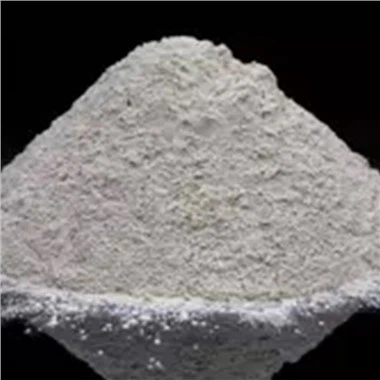
Polyanionic Cellulose (PAC) is a versatile cellulose derivative that has found its way into numerous industries. Among its different grades, PAC HV stands out with unique properties making it highly valuable, especially in the printing industry. As a seasoned supplier of Polyanionic Cellulose PAC HV, I'm thrilled to share with you its various applications in this dynamic field.
Rheology Control
In the printing industry, the consistency and flow behavior of inks are of utmost importance. Inks need to have the right viscosity to ensure smooth transfer from the printing plate to the substrate. This is where PAC HV comes in. It acts as an excellent rheology modifier.
When added to printing inks, PAC HV increases the viscosity in a controlled manner. During storage and handling, the increased viscosity helps prevent sedimentation of pigments and other solids in the ink. This means that the ink remains homogeneous, and its color and quality are consistent throughout.
During the printing process, the ink is subjected to shear forces. PAC HV has the property of shear - thinning, which means that its viscosity decreases under shear. This allows the ink to flow easily through the printing machinery, such as through the nozzles in inkjet printing or on the rollers in offset printing. Once the shear force is removed, the viscosity returns to its higher value, which helps the ink stay in place on the printed surface and prevents it from spreading or bleeding.
Pigment Dispersion
Pigments are what give printing inks their color. However, they have a tendency to agglomerate, or clump together, which can lead to poor color uniformity and print quality. PAC HV serves as an effective dispersant for pigments in printing inks.
It has a long - chain structure with charged groups. These charged groups interact with the surface of the pigment particles, creating a repulsive force between them. This repulsive force keeps the pigment particles separated from each other, ensuring a stable and well - dispersed pigment suspension in the ink.
A well - dispersed pigment suspension leads to better color saturation and print clarity. The ink can transfer the pigments evenly onto the printing substrate, resulting in sharp, vibrant, and consistent prints. Whether it's high - quality photo printing or detailed graphic work, the proper dispersion of pigments enabled by PAC HV is essential.
Binder Improvement
Inks need binders to hold the pigments together and adhere them to the printing substrate. PAC HV can enhance the performance of binders in printing inks.
It can interact with the binder molecules, improving their film - forming properties. When the ink is applied to the substrate, the binder with the help of PAC HV forms a more uniform and durable film. This film not only holds the pigments in place but also provides better adhesion to the substrate.
For example, in paper printing, this improved adhesion means that the printed image is less likely to rub off or smudge. In packaging printing, where the prints may be exposed to handling, moisture, and other environmental factors, the enhanced binder performance provided by PAC HV ensures that the prints remain intact and of high quality.
Printing Plate Protection
In some printing processes, such as offset printing, the printing plates are in constant contact with the ink. The abrasion caused by the ink and the printing machinery can damage the plates over time. PAC HV can act as a lubricant in the ink formulation, reducing the friction between the ink and the printing plate.
This lubricating effect helps protect the printing plate from excessive wear and tear. It extends the lifespan of the printing plate, reducing the need for frequent plate replacements. This not only saves costs for the printing companies but also improves the overall efficiency of the printing process, as there is less downtime for plate changes.
Compatibility with Other Additives
The printing industry often uses a variety of additives in inks to achieve different properties such as drying speed, UV resistance, and anti - foaming. PAC HV is highly compatible with many of these common additives.
This compatibility means that it can be easily incorporated into existing ink formulations without causing unwanted chemical reactions or phase separations. For example, when combined with anti - foaming agents, PAC HV does not interfere with their ability to reduce foam in the ink during the mixing and printing processes. Similarly, it can work in harmony with UV - curable additives in UV - cured inks, allowing for the creation of high - performance inks that meet the specific requirements of different printing applications.
Other Related Polyanionic Cellulose Grades
Apart from PAC HV, we also offer Polyanionic Cellulose PAC DLV and Polyanionic Cellulose PAC LV. These grades have different properties and are suitable for various other applications. While PAC HV is ideal for the printing industry as we've discussed, PAC DLV and PAC LV may find their uses in other sectors such as oil drilling, where they can be used for fluid loss control and viscosity modification in drilling muds. You can click on the links to learn more about these products and their unique features.
Conclusion
As you can see, Polyanionic Cellulose PAC HV plays a crucial role in the printing industry. Its abilities in rheology control, pigment dispersion, binder improvement, printing plate protection, and compatibility with other additives make it an indispensable ingredient in high - quality printing inks.
If you're in the printing business and looking for a reliable supplier of PAC HV, you've come to the right place. We have years of experience in providing top - notch Polyanionic Cellulose products, including Polyanionic Cellulose PAC HV. Our products are manufactured to the highest standards to ensure consistent quality and performance.


Don't hesitate to reach out to us if you're interested in learning more about our PAC HV or if you want to start a procurement discussion. We're always ready to assist you in finding the best solutions for your printing needs.
References
- "Cellulose Derivatives in Industrial Applications", John Wiley & Sons
- "Handbook of Printing Ink Technology", Marcel Dekker