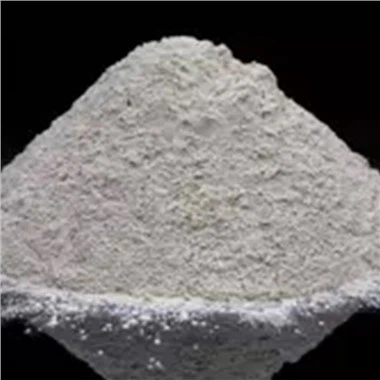
In the realm of ceramic production, the formulation of glaze is a critical process that significantly impacts the final quality and appearance of ceramic products. One key ingredient that has been gaining increasing attention in the ceramic industry is Polyanionic Cellulose PAC DHV. As a supplier of Polyanionic Cellulose PAC DHV, I am excited to delve into the numerous advantages of using this remarkable product in ceramic glaze.
Enhanced Rheological Properties
One of the primary advantages of incorporating Polyanionic Cellulose PAC DHV into ceramic glaze is its ability to modify the rheological properties of the glaze. Rheology refers to the study of the flow and deformation of materials, and in the context of ceramic glaze, it is crucial for achieving the desired application characteristics.
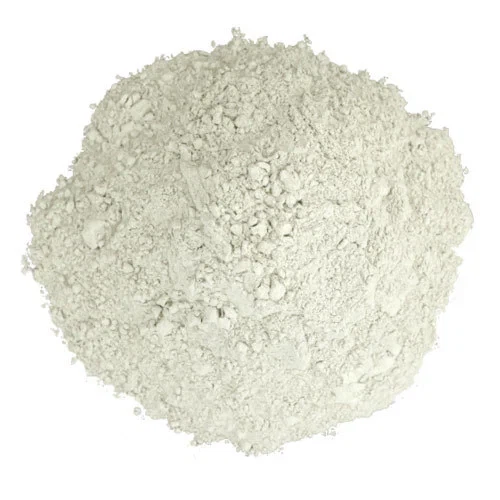
Polyanionic Cellulose PAC DHV acts as a thickening agent, increasing the viscosity of the glaze. This thickening effect is particularly beneficial during the application process, as it helps to prevent the glaze from running or dripping off the ceramic surface. By controlling the flow of the glaze, PAC DHV ensures a more uniform and consistent coating, resulting in a smoother and more aesthetically pleasing finish.
Moreover, the thickening properties of PAC DHV also improve the suspension of pigments and other additives in the glaze. In ceramic glazes, pigments are used to impart color, while additives can enhance various properties such as hardness, gloss, and durability. Without proper suspension, these components may settle at the bottom of the glaze container, leading to uneven distribution and inconsistent color or performance. Polyanionic Cellulose PAC DHV helps to keep these particles uniformly dispersed throughout the glaze, ensuring that they are evenly applied to the ceramic surface and providing a more consistent final result.
Improved Adhesion
Another significant advantage of using Polyanionic Cellulose PAC DHV in ceramic glaze is its ability to enhance the adhesion of the glaze to the ceramic substrate. Adhesion is crucial for ensuring that the glaze remains firmly attached to the ceramic surface during firing and subsequent use.
PAC DHV contains functional groups that can interact with the surface of the ceramic substrate, forming strong chemical bonds. These bonds help to anchor the glaze to the ceramic, preventing it from peeling or flaking off over time. Additionally, the thickening effect of PAC DHV can also contribute to improved adhesion by filling in any small irregularities or pores on the ceramic surface, creating a more uniform and continuous layer of glaze.

Improved adhesion not only enhances the durability and longevity of the ceramic product but also improves its overall appearance. A well-adhered glaze provides a smooth and seamless finish, free from defects such as cracks or blisters. This can significantly enhance the aesthetic appeal of the ceramic piece, making it more attractive to consumers.
Better Water Retention
Water retention is an important property in ceramic glaze, as it affects the drying and firing processes. Polyanionic Cellulose PAC DHV has excellent water retention capabilities, which can help to prevent the glaze from drying out too quickly during application and storage.
During the application process, a glaze with good water retention will remain workable for a longer period, allowing for more precise and detailed application. This is particularly important for intricate or decorative ceramic pieces, where a longer working time can enable the artist or manufacturer to achieve the desired effect.
In addition, water retention can also help to prevent the formation of cracks or other defects during the drying and firing processes. When a glaze dries too quickly, it can shrink and crack, leading to a compromised final product. By retaining water, PAC DHV helps to slow down the drying process, allowing the glaze to dry more evenly and reducing the risk of cracking.
Compatibility with Other Ingredients
Polyanionic Cellulose PAC DHV is highly compatible with a wide range of other ingredients commonly used in ceramic glazes. This compatibility makes it a versatile and valuable additive that can be easily incorporated into existing glaze formulations.
It can be used in combination with various pigments, fillers, and other additives without causing any adverse reactions or compatibility issues. This allows ceramic manufacturers to customize their glaze formulations to achieve specific properties and effects, such as different colors, textures, and finishes.
For example, PAC DHV can be used in conjunction with metallic oxides to create unique and vibrant colors in the glaze. It can also be combined with glass frits to enhance the gloss and transparency of the glaze. The ability to work well with other ingredients gives ceramic manufacturers greater flexibility and creativity in their glaze formulations.

Cost-Effectiveness
In addition to its numerous technical advantages, Polyanionic Cellulose PAC DHV is also a cost-effective solution for ceramic manufacturers. It is available at a relatively low cost compared to some other additives used in ceramic glazes, and its high efficiency means that only a small amount is required to achieve the desired effects.
By using PAC DHV, ceramic manufacturers can improve the quality of their glazes without significantly increasing their production costs. This can help to improve the competitiveness of their products in the market, as they can offer high-quality ceramic pieces at a more affordable price.
Comparison with Other Grades of Polyanionic Cellulose
As a supplier, we also offer other grades of Polyanionic Cellulose, such as Polyanionic Cellulose PAC DLV and Polyanionic Cellulose PAC HV. While these grades also have their own unique properties and applications, Polyanionic Cellulose PAC DHV is particularly well-suited for ceramic glaze applications.
PAC DLV is typically used in applications where a lower viscosity is required, such as in some oil drilling fluids. PAC HV, on the other hand, has a higher viscosity and is often used in applications where a more thickened solution is needed. In ceramic glaze, the specific properties of PAC DHV, such as its ability to provide a balanced viscosity and excellent suspension, make it the preferred choice for achieving the desired results.
Conclusion
In conclusion, the use of Polyanionic Cellulose PAC DHV in ceramic glaze offers a multitude of advantages, including enhanced rheological properties, improved adhesion, better water retention, compatibility with other ingredients, and cost-effectiveness. These benefits make it a valuable additive for ceramic manufacturers looking to improve the quality and performance of their glazes.
If you are a ceramic manufacturer interested in exploring the potential of Polyanionic Cellulose PAC DHV in your glaze formulations, I encourage you to contact us to discuss your specific needs and requirements. Our team of experts is available to provide you with detailed information, samples, and technical support to help you make the most of this innovative product. Let's work together to create high-quality ceramic products that stand out in the market.
References
- "Ceramic Glaze Technology" - A comprehensive guide to ceramic glaze formulation and properties.
- "Rheology in Ceramic Processing" - Research on the role of rheology in ceramic production.
- "Cellulose Derivatives in Industrial Applications" - Studies on the use of cellulose derivatives, including polyanionic cellulose, in various industries.