

Sucralose has become a well - known artificial sweetener in the global market, often found in a wide range of food and beverage products. As a sucralose supplier, I am frequently asked whether sucralose is approved by the U.S. Food and Drug Administration (FDA). In this blog, I will delve into this question, presenting scientific evidence and regulatory information to provide a comprehensive answer.
The FDA Approval Process
The FDA has a rigorous approval process for food additives, including artificial sweeteners like sucralose. This process is designed to ensure the safety of these substances for human consumption. Before a new food additive can be used in the United States, the manufacturer must submit a petition to the FDA. This petition includes extensive data from pre - clinical and clinical studies, which cover aspects such as the chemical composition of the substance, its manufacturing process, and most importantly, its safety profile.
The safety studies typically involve both animal and human trials. Animal studies are used to evaluate potential toxic effects, including carcinogenicity, mutagenicity, and reproductive toxicity. Human trials, on the other hand, focus on short - term and long - term effects on health, such as blood sugar levels, insulin response, and digestive system reactions.

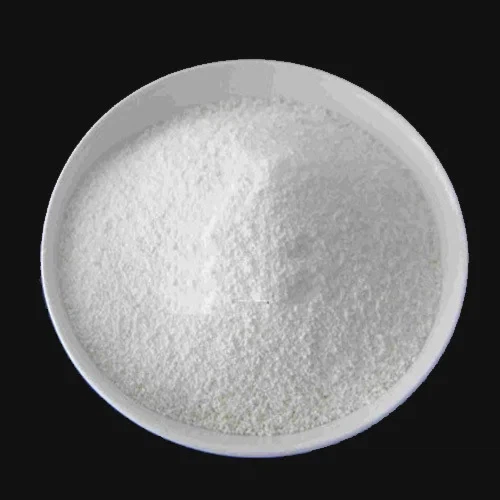
Sucralose and FDA Approval
Sucralose was first approved by the FDA in 1998 for use in a variety of food products, including baked goods, non - alcoholic beverages, chewing gum, and frozen dairy desserts. In 2004, the FDA expanded its approval to include use as a general - purpose sweetener, which means it can be used in all categories of foods and beverages, except in meat and poultry products.
The FDA's decision to approve sucralose was based on a large body of scientific evidence. Over 110 studies were conducted on sucralose, involving both animals and humans. These studies consistently showed that sucralose is safe for human consumption at the approved levels.
One of the key factors in the FDA's approval was the fact that sucralose is not metabolized by the body in the same way as traditional sugars. It passes through the digestive system largely unchanged and is excreted in the urine. This means that it has a negligible effect on blood sugar and insulin levels, making it a popular choice for people with diabetes. For more information on this, you can visit Sucralose Safe for Diabetics.
Scientific Research on Sucralose Safety
Numerous independent scientific studies have also supported the safety of sucralose. A meta - analysis of multiple studies published in peer - reviewed journals found no significant adverse effects associated with the consumption of sucralose. These studies have looked at a wide range of health outcomes, including weight gain, cancer risk, and gut microbiota changes.
In terms of cancer risk, long - term animal studies have shown no evidence that sucralose is carcinogenic. The National Cancer Institute states that there is no credible evidence linking sucralose to cancer in humans.
Regarding gut microbiota, some early studies raised concerns that sucralose might have an impact on the balance of bacteria in the gut. However, more recent and well - designed research has found that the effects are minimal and not clinically significant.
Applications of Sucralose in the Food Industry
As a sucralose supplier, I have seen firsthand the widespread use of sucralose in the food industry. Its high sweetness intensity, which is about 400 - 800 times that of sucrose, makes it very cost - effective. It can be used in a variety of products, from low - calorie soft drinks to sugar - free candies.
For food manufacturers, sucralose offers several advantages. It has a clean, sweet taste without the bitter aftertaste that some other artificial sweeteners may have. It is also stable under different processing conditions, such as high temperatures and a wide range of pH levels. This makes it suitable for use in baked goods and acidic beverages. If you are interested in the specific form of sucralose used in food, you can check out Food Sucralose Powder.
Dietary Considerations
Sucralose is also a popular choice for consumers who are looking to reduce their sugar intake. It can be used in home cooking and baking as a sugar substitute. For those following a low - calorie or low - carbohydrate diet, sucralose provides a sweet taste without adding significant calories. You can learn more about dietary applications of sucralose on Dietary Sucralose.
However, it's important to note that while sucralose is considered safe, like any food ingredient, it should be consumed in moderation. Some people may have individual sensitivities or allergies to sucralose, although these cases are rare.
Conclusion and Call to Action
In conclusion, sucralose is indeed approved by the FDA, and a large amount of scientific research supports its safety for human consumption. As a sucralose supplier, I am confident in the quality and safety of the sucralose we offer.
If you are a food manufacturer, a distributor, or an individual looking for a high - quality sucralose product, I encourage you to contact us for more information. We can provide you with detailed product specifications, samples, and pricing. Our team of experts is also available to answer any questions you may have about sucralose and its applications. Let's start a conversation about how sucralose can benefit your products or dietary needs.
References
- U.S. Food and Drug Administration. (1998). FDA approves sucralose for use in various food products. Retrieved from [FDA official website].
- National Cancer Institute. (20XX). Statement on the safety of sucralose and cancer risk. Retrieved from [NCI official website].
- Meta - analysis of studies on sucralose safety. (20XX). Published in [Journal name].


