Sucralose has emerged as a popular sugar substitute, especially among diabetics seeking a sweet taste without the blood - sugar spikes associated with traditional sugars. As a supplier of Sucralose Safe for Diabetics, I am often asked whether sucralose is a natural sweetener. In this blog, we'll delve into the science behind sucralose, its properties, and its suitability for diabetics.
What is Sucralose?
Sucralose is an artificial sweetener that was discovered in 1976. It is made from sugar through a multi - step chemical process. During this process, three chlorine atoms are substituted for three hydroxyl groups on the sugar molecule. This modification makes sucralose about 400 - 800 times sweeter than sucrose (table sugar).
The chemical structure of sucralose gives it unique properties. Unlike natural sugars, sucralose is not metabolized by the body for energy. Once ingested, it passes through the digestive system largely unchanged and is excreted in the urine. This characteristic makes it an appealing option for those looking to reduce their calorie intake, particularly diabetics who need to manage their blood sugar levels.
To understand more about the chemical makeup of sucralose, you can visit Sucralose Composition.
Is Sucralose a Natural Sweetener?
The term "natural" can be a bit ambiguous when it comes to food ingredients. By strict definition, a natural sweetener is one that is derived directly from natural sources without significant chemical modification. Since sucralose is created through a chemical process that involves the substitution of atoms on the sugar molecule, it is not considered a natural sweetener in the purest sense.
However, some might argue that because it is derived from sugar, a natural product, it has a connection to nature. But the extensive chemical processing it undergoes sets it apart from natural sweeteners like honey, maple syrup, or stevia. Stevia, for example, is a plant - based sweetener that is simply extracted and purified from the Stevia rebaudiana plant, with minimal chemical alteration.
Sucralose and Diabetes
For diabetics, managing blood sugar levels is of utmost importance. Traditional sugars, such as glucose and fructose, are quickly absorbed into the bloodstream, causing rapid spikes in blood sugar. Sucralose, on the other hand, does not have this effect.
Numerous scientific studies have shown that sucralose does not affect blood glucose, insulin, or glucagon levels in the body. A study published in the Journal of Diabetes and its Complications found that when diabetics consumed sucralose, there was no significant change in their post - meal blood glucose levels compared to when they consumed a placebo. This makes sucralose a safe and effective alternative for diabetics who want to satisfy their sweet tooth without compromising their blood sugar control.
In addition to its blood - sugar - neutral properties, sucralose can also help diabetics reduce their calorie intake. Since it is so much sweeter than sugar, only a small amount is needed to achieve the same level of sweetness. This can be beneficial for weight management, as obesity is a common comorbidity in diabetes.
Forms of Sucralose
We offer various forms of sucralose to meet different needs. One of our popular products is Granulated Sucralose. This form is similar in appearance and texture to regular sugar, making it a convenient substitute in baking and cooking. It can be used in the same way as sugar in recipes, and it dissolves easily in both hot and cold liquids.
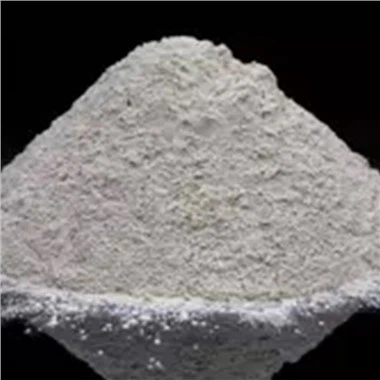
Another option is Pharmaceutical Sucralose Powder. This high - purity powder is often used in the pharmaceutical industry for making medications more palatable. It can also be used in home - made health drinks or supplements.
Safety of Sucralose
The safety of sucralose has been extensively studied. Regulatory agencies around the world, including the U.S. Food and Drug Administration (FDA), the European Food Safety Authority (EFSA), and the Joint FAO/WHO Expert Committee on Food Additives (JECFA), have approved the use of sucralose as a food additive.
These agencies have set acceptable daily intake (ADI) levels for sucralose, which represent the amount that can be consumed daily over a lifetime without any appreciable health risk. For example, the FDA has set an ADI of 5 milligrams per kilogram of body weight per day. This means that a person weighing 60 kilograms could safely consume up to 300 milligrams of sucralose per day.
Some concerns have been raised about the potential long - term effects of sucralose on gut health. However, most of the current research does not support these claims. A meta - analysis of multiple studies found no significant negative effects of sucralose on gut microbiota in humans.
Consumer Perception
Despite the scientific evidence supporting the safety and benefits of sucralose for diabetics, there is still some consumer skepticism. Some people are wary of artificial sweeteners in general, preferring to opt for natural alternatives. This is partly due to the perception that "natural" is always better and partly because of misinformation spread through the media.


As a supplier, we are committed to educating consumers about the facts. We believe that by providing accurate information about sucralose, we can help diabetics make informed choices about their sweetener options.
Conclusion
In conclusion, while sucralose is not a natural sweetener in the strictest sense, it is a safe and effective option for diabetics. It does not raise blood sugar levels, has a negligible calorie content, and has been approved by major regulatory agencies. Our company offers high - quality sucralose products in various forms to meet the diverse needs of consumers.
If you are a diabetic or a food manufacturer looking for a reliable sucralose supplier, we invite you to contact us for more information and to discuss your procurement needs. We are dedicated to providing the best products and services to help you manage your diabetes or create delicious, sugar - free products.
References
- Sylvetsky, A. C., Rother, K. I., & Davidson, M. B. (2014). Non - nutritive sweeteners and diabetes: an update. Diabetes Care, 37(11), 3162 - 3169.
- Tordoff, M. G. (2016). Artificial sweeteners: a systematic review of metabolic effects in humans. American Journal of Clinical Nutrition, 103(3), 766 - 779.
- Del Gobbo, L. C., Wilson, P. W., & Hu, F. B. (2015). Non - nutritive sweeteners and cardiometabolic health: a systematic review and meta - analysis of randomized controlled trials and prospective cohort studies. American Journal of Clinical Nutrition, 101(3), 690 - 699.