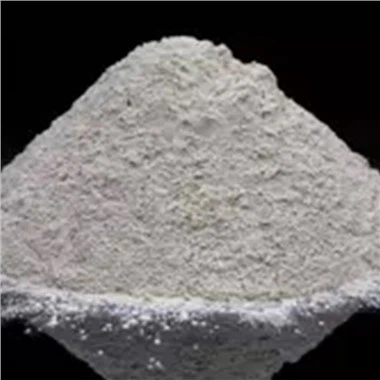
Hey there! As a supplier of Granular Polyanionic Cellulose (PAC), I often get asked if it's an environmentally friendly material. So, I thought I'd take some time to break it down for you.
First off, let's talk a bit about what Granular Polyanionic Cellulose is. It's a derivative of cellulose, which is a natural polymer found in plants. You know, that stuff that makes up the cell walls of plants? Yeah, that cellulose. PAC is made by chemically modifying cellulose to give it some pretty cool properties. It's widely used in various industries, like oil drilling, ceramics, and even in the food industry.
One of the big factors when it comes to determining if a material is environmentally friendly is its source. Since PAC is derived from cellulose, which comes from plants, it's considered a renewable resource. Unlike some materials that are made from non - renewable fossil fuels, plants can be replanted and regrown. This means that as long as we manage our forests and other plant sources sustainably, we can keep producing PAC without depleting the Earth's resources.
Another important aspect is its biodegradability. Granular Polyanionic Cellulose is biodegradable. That means that over time, it can be broken down by natural processes in the environment. Microorganisms like bacteria and fungi can break it down into simpler substances, such as carbon dioxide, water, and biomass. This is a huge plus compared to some synthetic materials that can sit in landfills for hundreds of years without decomposing.
Let's take a look at its use in the oil drilling industry, which is one of the major applications of PAC. In oil drilling, PAC is used as a viscosifier and fluid - loss control agent. When it's added to drilling fluids, it helps to control the flow properties of the fluid and prevent the loss of drilling fluid into the surrounding rock formations. This is important because it reduces the amount of waste generated during the drilling process.
Traditional drilling fluids often contain chemicals that can be harmful to the environment. For example, some contain heavy metals or toxic organic compounds. PAC, on the other hand, is a relatively benign alternative. It doesn't introduce these harmful substances into the environment, which means less pollution and a lower impact on ecosystems.
In the ceramics industry, PAC is used as a binder and plasticizer. It helps to hold the ceramic particles together during the forming process and gives the ceramic products better mechanical properties. When the ceramics are fired, the PAC burns off cleanly, leaving behind no harmful residues. This is in contrast to some other binders that can release toxic fumes or leave behind ash that can contaminate the ceramic product.
Now, let's talk about its use in the food industry. Granular Polyanionic Cellulose is used as a thickener, stabilizer, and emulsifier in some food products. It's considered safe for human consumption and is approved by food regulatory agencies around the world. Since it's derived from natural cellulose, it's a more natural alternative to some synthetic thickeners and stabilizers. And because it's biodegradable, it doesn't pose a long - term environmental threat if it ends up in the environment through food waste.
However, like any material, there are some potential environmental concerns associated with PAC. The production process of PAC involves chemical reactions, and these reactions require energy and chemicals. If the production facilities are not well - managed, there could be emissions of greenhouse gases and other pollutants. But most modern PAC production facilities are designed to minimize these impacts. They use energy - efficient processes and recycle chemicals whenever possible.


Also, the transportation of PAC from the production site to the end - user can contribute to carbon emissions. But again, this is a problem that can be mitigated by using more efficient transportation methods and optimizing delivery routes.
In conclusion, overall, Granular Polyanionic Cellulose is a relatively environmentally friendly material. Its renewable source, biodegradability, and low - impact applications make it a good choice for many industries. However, we still need to be vigilant about the production and transportation processes to ensure that we're minimizing its environmental footprint.
If you're interested in learning more about our Granular Polyanionic Cellulose products, we have some great options. Check out our Fast Dispersed Polyanionic Cellulose PAC LV and Fast Dispersed Polyanionic Cellulose PAC HV. These products are high - quality and can meet the needs of various industries.
If you're thinking about purchasing Granular Polyanionic Cellulose for your business, don't hesitate to reach out. We're here to answer any questions you have and help you find the right product for your specific requirements. Let's work together to make your operations more environmentally friendly and efficient.
References
- "Cellulose Derivatives: Properties and Applications" by John Wiley & Sons
- "Environmental Impact of Industrial Materials" by Cambridge University Press
- Research papers on the use of Granular Polyanionic Cellulose in different industries from academic journals.