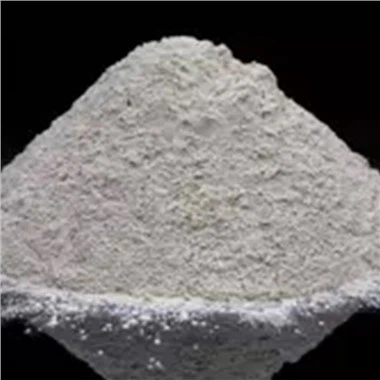
Hey there! As a supplier of Food Grade Powder CMC, I've seen my fair share of issues that folks run into when using this stuff in food. In this blog, I'll share some tips on how to troubleshoot those problems.
Understanding Food Grade Powder CMC
First off, let's quickly go over what Food Grade Powder CMC is. Food Grade Powder CMC, also known as Sodium Carboxymethyl Cellulose, CMC Cellulose, or Carboxymethyl Cellulose E466, is a widely used food additive. It's derived from cellulose, which is a natural polymer found in plants. In the food industry, it serves multiple purposes like thickening, stabilizing, and emulsifying.
Common Issues and Troubleshooting
1. Poor Dissolution
One of the most common problems is when the CMC powder doesn't dissolve properly in the food product. This can lead to lumps and an uneven texture.


- Cause: The powder might be added too quickly or without proper agitation. Sometimes, the water temperature could also be a factor.
- Solution: First, make sure you're using the right water temperature. For most applications, lukewarm water works best. Start by adding a small amount of the powder to the water while continuously stirring. Use a high - speed mixer or a whisk to break up any clumps as you add the powder. If you're still having issues, you can pre - hydrate the CMC in a small amount of water before adding it to the main batch.
2. Inadequate Thickening
If your food product isn't thickening as expected, it can be frustrating.
- Cause: There could be several reasons. Maybe the CMC grade you're using isn't suitable for your application. The pH of the food product can also affect the thickening ability of CMC.
- Solution: Check the specifications of the CMC grade you're using. Different grades have different thickening properties. If the pH is off, adjust it to the recommended range for the CMC you're using. In most cases, a pH between 6 - 9 is ideal for CMC to work effectively. You can also try increasing the amount of CMC slightly, but be careful not to overdo it as it can change the taste and texture of the food.
3. Gel Formation Problems
Sometimes, the CMC might form a gel when it's not supposed to, or the gel might be too weak or too strong.
- Cause: Temperature fluctuations during storage or processing can cause gelation issues. Also, the presence of certain salts or other additives in the food product can interact with the CMC and affect gel formation.
- Solution: Keep the storage and processing temperatures stable. Avoid sudden changes in temperature. If salts or other additives are causing the problem, you can try adjusting their concentrations or using a different grade of CMC that's more resistant to these interactions.
4. Microbiological Contamination
Contamination can be a serious issue, especially in the food industry.
- Cause: The CMC powder might have been contaminated during production, storage, or handling. Poor hygiene practices in the food processing facility can also contribute to this problem.
- Solution: Make sure you're sourcing your CMC from a reliable supplier (like us!). We follow strict quality control measures to ensure our products are free from contaminants. In your facility, maintain high - level hygiene standards. Clean and sanitize all equipment regularly. If you suspect contamination, test the product and discard any contaminated batches.
5. Flavor and Odor Issues
Sometimes, the CMC can impart an unwanted flavor or odor to the food product.
- Cause: Low - quality CMC or improper storage can lead to flavor and odor problems. Some impurities in the CMC can also cause off - flavors.
- Solution: Always use high - quality CMC from a trusted supplier. Store the CMC in a cool, dry place away from strong odors. If you notice an off - flavor, try using a different grade of CMC or reducing the amount used. You can also add some flavor enhancers to mask the unwanted taste.
Quality Control Checks
To avoid these issues in the first place, it's important to do some quality control checks.
- Visual Inspection: Before using the CMC powder, visually inspect it for any signs of discoloration, clumping, or foreign particles.
- Solubility Test: Take a small sample of the CMC and dissolve it in water according to the recommended procedure. Check for any lumps or undissolved particles.
- Viscosity Test: Use a viscometer to measure the viscosity of the CMC solution. Compare the results with the specifications provided by the supplier.
Tips for Using Food Grade Powder CMC
- Follow the Instructions: Always follow the usage instructions provided by the supplier. Different applications might require different amounts and methods of using CMC.
- Test on a Small Scale: Before using CMC in a large - scale production, do some small - scale tests to see how it behaves in your food product.
- Keep Records: Keep detailed records of the CMC usage, including the amount used, the batch number, and any issues you encounter. This will help you troubleshoot problems in the future.
Why Choose Our Food Grade Powder CMC
We take pride in being a leading supplier of Food Grade Powder CMC. Our products are of the highest quality, and we offer a wide range of grades to suit different applications. We have a team of experts who can provide you with technical support and advice on using our CMC in your food products. Whether you're making sauces, dairy products, or baked goods, we have the right solution for you.
If you're facing any issues with using CMC in your food products or if you're interested in purchasing our Food Grade Powder CMC, don't hesitate to get in touch. We're here to help you solve your problems and ensure the success of your food products.
References
- Food Additives Handbook, Third Edition
- Encyclopedia of Food Science and Technology
So, that's it for today's blog. I hope these tips will help you troubleshoot any issues you might be facing when using Food Grade Powder CMC in your food products. If you have any questions or need more information, feel free to reach out. Looking forward to working with you!