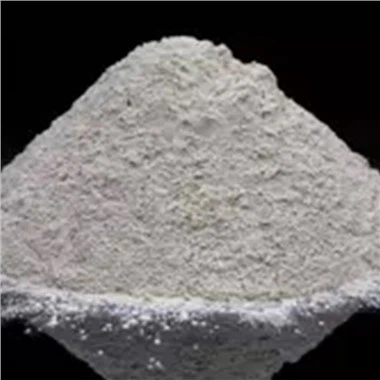
Accurately testing the viscosity of Polyanionic Cellulose PAC HV is crucial for ensuring its quality and performance in various applications, especially in the oil drilling industry. As a reliable supplier of Polyanionic Cellulose PAC HV, I understand the significance of this process and am here to share some insights on how to conduct these tests accurately.
Understanding Polyanionic Cellulose PAC HV
Before delving into the testing methods, it's essential to have a clear understanding of Polyanionic Cellulose PAC HV. Polyanionic Cellulose PAC HV is a high - viscosity variant of polyanionic cellulose. It is widely used in oil drilling fluids due to its excellent thickening, suspending, and fluid - loss control properties. The viscosity of PAC HV directly affects its performance in these applications. A proper viscosity ensures that the drilling fluid can effectively carry cuttings to the surface, maintain wellbore stability, and prevent fluid loss into the formation.
Factors Affecting Viscosity
Several factors can influence the viscosity of Polyanionic Cellulose PAC HV. Temperature is one of the most significant factors. Generally, as the temperature increases, the viscosity of PAC HV solutions tends to decrease. This is because higher temperatures provide more energy to the molecules, allowing them to move more freely and reducing the intermolecular forces that contribute to viscosity.
The concentration of PAC HV in the solution also plays a crucial role. Higher concentrations typically result in higher viscosities. However, the relationship between concentration and viscosity is not always linear. At very high concentrations, the solution may become too thick, and the behavior may deviate from the expected trend.
The presence of salts and other additives in the solution can also impact viscosity. Salts can interact with the PAC HV molecules, either increasing or decreasing the viscosity depending on the type and concentration of the salt. For example, some salts can cause the PAC HV molecules to aggregate, leading to an increase in viscosity, while others may disrupt the molecular structure and reduce viscosity.
Testing Methods
Rotational Viscometry
Rotational viscometry is one of the most commonly used methods for testing the viscosity of Polyanionic Cellulose PAC HV. This method involves rotating a spindle or bob in a sample of the PAC HV solution at a constant speed. The torque required to rotate the spindle is measured, and this torque is directly related to the viscosity of the solution.
To perform a rotational viscometry test, first, prepare a homogeneous PAC HV solution of the desired concentration. The solution should be well - mixed to ensure uniform distribution of the PAC HV molecules. Then, transfer the solution to a suitable viscometer cup. Select an appropriate spindle based on the expected viscosity range of the solution. Lower the spindle into the solution, making sure it is fully immersed and centered.
Start the viscometer and set the rotational speed. It is important to choose a speed that is appropriate for the viscosity of the solution. For low - viscosity solutions, a higher speed may be required to obtain accurate measurements, while for high - viscosity solutions, a lower speed is often more suitable. Allow the viscometer to reach a steady - state reading, which may take a few minutes. Record the torque value and use the viscometer's calibration curve to convert the torque into a viscosity value.
Capillary Viscometry
Capillary viscometry is another method that can be used to measure the viscosity of Polyanionic Cellulose PAC HV. In this method, a sample of the PAC HV solution is allowed to flow through a capillary tube under the influence of gravity or a pressure difference. The time taken for the solution to flow through a specific length of the capillary tube is measured, and this time is related to the viscosity of the solution.
To conduct a capillary viscometry test, first, clean and dry the capillary viscometer thoroughly. Then, fill the viscometer with the PAC HV solution, making sure there are no air bubbles in the tube. Place the viscometer in a thermostatically controlled bath to maintain a constant temperature. Start a timer when the solution reaches a certain mark in the capillary tube and stop the timer when it reaches another mark. The time interval and the dimensions of the capillary tube are used to calculate the viscosity of the solution using the appropriate viscometric equation.
Falling - Ball Viscometry
Falling - ball viscometry is a relatively simple and cost - effective method for measuring viscosity. This method involves dropping a ball of known density and size into a vertical tube filled with the PAC HV solution. The time taken for the ball to fall through a specific distance in the solution is measured. The viscosity of the solution can be calculated based on the terminal velocity of the ball, which is related to the viscosity of the fluid according to Stokes' law.
To perform a falling - ball viscometry test, first, select a ball with the appropriate density and size for the expected viscosity range of the PAC HV solution. Fill a vertical tube with the solution and ensure that the tube is free from any air bubbles. Drop the ball into the tube and start a timer when the ball reaches a certain reference point. Stop the timer when the ball reaches another reference point. Calculate the viscosity of the solution using the formula derived from Stokes' law, taking into account the density of the ball, the density of the solution, the diameter of the ball, and the distance traveled by the ball.

Quality Control and Standardization
To ensure accurate and consistent viscosity measurements, it is essential to establish a quality control system. This includes regular calibration of the viscometers using standard reference materials. Standard reference materials with known viscosities are available commercially, and using these materials to calibrate the viscometers helps to ensure that the measurements are traceable and accurate.
It is also important to follow standardized testing procedures. Organizations such as the American Petroleum Institute (API) have developed standards for testing the properties of drilling fluids, including the viscosity of Polyanionic Cellulose PAC HV. By following these standards, suppliers and users can ensure that the test results are comparable and reliable.
Importance of Accurate Viscosity Testing for Suppliers
As a supplier of Polyanionic Cellulose PAC HV, accurate viscosity testing is of utmost importance. It allows us to ensure the quality of our products. By testing the viscosity of each batch of PAC HV, we can identify any variations and take corrective actions if necessary. This helps us to maintain a consistent product quality, which is essential for building trust with our customers.
Accurate viscosity testing also enables us to provide technical support to our customers. We can offer advice on the appropriate concentration and application conditions based on the viscosity of our PAC HV products. This helps our customers to optimize the performance of the drilling fluids and achieve better results in their oil drilling operations.
Contact for Purchase and Consultation
If you are in need of high - quality Polyanionic Cellulose PAC HV or have any questions about viscosity testing or product applications, please feel free to contact us. We are committed to providing you with the best products and services to meet your specific needs. Whether you are interested in Polyanionic Cellulose PAC DLV or Polyanionic Cellulose PAC DHV, we have a wide range of products to choose from. Let's start a discussion and find the perfect solution for your project.
References
- API Recommended Practice 13B - 1, “Recommended Practice for Field Testing Water - Based Drilling Fluids,” American Petroleum Institute.
- ASTM D445 - 19, “Standard Test Method for Kinematic Viscosity of Transparent and Opaque Liquids (and Calculation of Dynamic Viscosity),” ASTM International.
- Bird, R. B., Stewart, W. E., & Lightfoot, E. N. (2002). Transport Phenomena (2nd ed.). John Wiley & Sons.