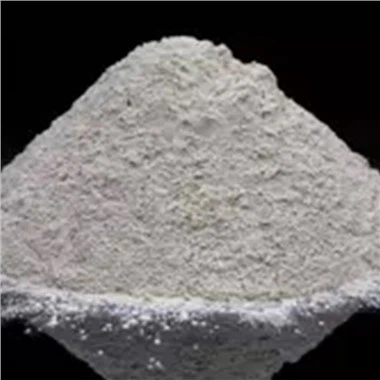
Hey there! As a supplier of Sodium Carboxymethyl, I know how crucial it is to store this product properly to prevent degradation. In this blog post, I'll share some practical tips on how to do just that.
First off, let's understand what Sodium Carboxymethyl is. Also known as Carboxymethyl Cellulose Sodium, it's a water - soluble polymer derived from cellulose. It's widely used in various industries, like food, pharmaceuticals, and cosmetics. You might also hear it referred to as CMC Cellulose or simply Sodium Carboxymethyl.
1. Temperature Control
One of the most important factors in storing Sodium Carboxymethyl is temperature. This stuff is pretty sensitive to heat. High temperatures can cause the molecular structure of Sodium Carboxymethyl to break down, leading to a loss of its thickening and stabilizing properties.
Ideally, you should store it in a cool environment. A temperature range of 10 - 30°C (50 - 86°F) is usually recommended. Avoid storing it near heat sources like radiators, heaters, or direct sunlight. If you're in a place with extremely hot summers, consider using climate - controlled storage facilities.
On the other hand, freezing temperatures can also be a problem. When Sodium Carboxymethyl freezes, the water in it can expand, which may damage the product's structure. So, make sure the storage area doesn't get too cold either.
2. Humidity Management
Humidity is another biggie. Sodium Carboxymethyl is hygroscopic, which means it can absorb moisture from the air. When it absorbs too much moisture, it can clump together, making it difficult to use. Moreover, the presence of excess moisture can promote the growth of microorganisms, which can cause the product to degrade.
To manage humidity, store Sodium Carboxymethyl in a dry place. A relative humidity of less than 60% is ideal. You can use dehumidifiers in the storage area if necessary. Also, keep the product in sealed containers. This will not only prevent moisture from getting in but also protect it from dust and other contaminants.
3. Container Selection
The type of container you use for storing Sodium Carboxymethyl matters a lot. It should be made of a material that is chemically inert and doesn't react with the product. Plastic containers made of high - density polyethylene (HDPE) or polypropylene are good choices. They are durable, lightweight, and resistant to corrosion.
Glass containers can also be used, but they are more fragile and may break easily. Make sure the container has a tight - fitting lid to keep out moisture and air. Label the container clearly with the product name, batch number, and expiration date. This will help you keep track of your inventory and ensure that you use the oldest stock first.
4. Avoiding Contamination
Contamination can significantly affect the quality of Sodium Carboxymethyl. Keep the storage area clean and free from any potential sources of contamination. This includes chemicals, cleaning agents, and other foreign substances.
When handling the product, use clean utensils and equipment. Avoid touching the product with dirty hands or using contaminated scoops. If you need to transfer the product from one container to another, make sure both containers are clean.
5. Stacking and Storage Arrangement
Proper stacking and storage arrangement can also help prevent degradation. Don't stack the containers too high, as this can put pressure on the bottom containers and cause them to break or deform. Leave some space between the containers to allow for air circulation.
Arrange the containers in an organized manner so that you can easily access the product you need. This will also help you keep track of your inventory and ensure that you don't accidentally damage the product while retrieving it.
6. Regular Inspections
It's a good idea to conduct regular inspections of your stored Sodium Carboxymethyl. Check for any signs of clumping, discoloration, or an unusual odor. If you notice any of these signs, it could indicate that the product is starting to degrade.


Inspect the containers for any damage, such as cracks or leaks. If a container is damaged, transfer the product to a new, clean container as soon as possible. Keep a record of your inspections, including the date, the condition of the product, and any actions taken.
7. Rotation of Stock
To ensure that you're always using fresh Sodium Carboxymethyl, practice stock rotation. This means using the oldest stock first. When you receive new shipments, place them behind the existing stock. This way, you can avoid having old product sitting in storage for too long, which increases the risk of degradation.
8. Protection from Light
Although Sodium Carboxymethyl is not as light - sensitive as some other products, it's still a good idea to protect it from direct sunlight and strong artificial light. Light can cause some chemical reactions in the product over time, which may lead to degradation.
Store the product in opaque containers or in a storage area that is not exposed to bright light. If you need to use transparent containers, keep them in a shaded area.
Conclusion
Proper storage of Sodium Carboxymethyl is essential to maintain its quality and performance. By controlling temperature, managing humidity, choosing the right containers, avoiding contamination, arranging the storage properly, conducting regular inspections, rotating stock, and protecting it from light, you can significantly reduce the risk of degradation.
If you're in the market for high - quality Sodium Carboxymethyl, we're here to help. Whether you have questions about storage, usage, or need a specific grade of the product, feel free to reach out to us. We're always happy to assist you in finding the best solutions for your needs. Let's start a conversation about your Sodium Carboxymethyl requirements and see how we can work together!
References
- "Handbook of Water - Soluble Gums and Resins" by Robert L. Davidson
- Industry standards and guidelines for the storage of chemical products.