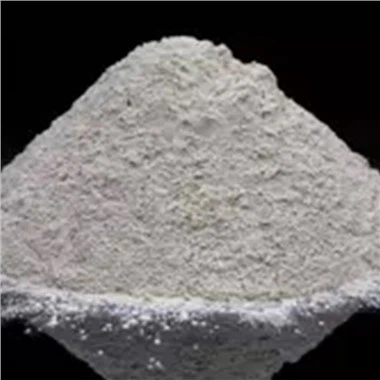
Optimizing the use of Granular Polyanionic Cellulose (GPAC) in drilling operations is crucial for enhancing the efficiency and performance of the drilling process. As a leading supplier of Granular Polyanionic Cellulose, I understand the significance of this product in the oil and gas industry. In this blog, I will share some insights on how to optimize the use of GPAC in drilling operations.


Understanding Granular Polyanionic Cellulose
Granular Polyanionic Cellulose is a water-soluble polymer derived from cellulose. It is widely used in drilling fluids due to its excellent properties such as viscosity control, fluid loss reduction, and shale inhibition. GPAC is available in different grades, including Fast Dispersed Polyanionic Cellulose PAC HV and Fast Dispersed Polyanionic Cellulose PAC LV, which can be selected based on the specific requirements of the drilling operation.
Viscosity Control
One of the primary functions of GPAC in drilling fluids is to control the viscosity. Viscosity is an important property of drilling fluids as it affects the ability of the fluid to carry cuttings to the surface, maintain wellbore stability, and prevent fluid loss. GPAC can be used to increase the viscosity of the drilling fluid, especially in low-solids and freshwater systems.
To optimize the viscosity control using GPAC, it is important to consider the following factors:
- Concentration: The concentration of GPAC in the drilling fluid should be carefully adjusted based on the desired viscosity. Higher concentrations of GPAC will result in higher viscosities, but excessive amounts can also lead to problems such as poor fluid flow and increased pumping pressure.
- Mixing: Proper mixing of GPAC in the drilling fluid is essential to ensure uniform distribution and maximum effectiveness. It is recommended to use high-shear mixing equipment to disperse the GPAC particles evenly in the fluid.
- Temperature: The viscosity of the drilling fluid can be affected by temperature. GPAC has good thermal stability, but it is still important to consider the temperature conditions during the drilling operation and adjust the concentration of GPAC accordingly.
Fluid Loss Reduction
Another important function of GPAC in drilling fluids is to reduce fluid loss. Fluid loss occurs when the drilling fluid filtrate penetrates into the formation, which can cause problems such as wellbore instability, formation damage, and increased costs. GPAC can form a thin, impermeable filter cake on the wellbore wall, which helps to reduce fluid loss.
To optimize the fluid loss reduction using GPAC, the following factors should be considered:
- Particle Size: The particle size of GPAC can affect its ability to form a filter cake. Smaller particle sizes generally result in better fluid loss control. It is important to select the appropriate grade of GPAC with the desired particle size for the specific drilling conditions.
- Concentration: Similar to viscosity control, the concentration of GPAC in the drilling fluid should be optimized to achieve the desired fluid loss reduction. Higher concentrations of GPAC can provide better fluid loss control, but again, excessive amounts can lead to other problems.
- Filtration Rate: The filtration rate of the drilling fluid can also affect the effectiveness of GPAC in reducing fluid loss. It is important to maintain an appropriate filtration rate to ensure that the filter cake can form and remain intact.
Shale Inhibition
Shale inhibition is another important aspect of drilling operations, especially in shale formations. Shales are prone to swelling and dispersion when exposed to water-based drilling fluids, which can cause wellbore instability and other problems. GPAC can help to inhibit shale swelling and dispersion by forming a protective layer on the shale surface.
To optimize the shale inhibition using GPAC, the following factors should be considered:
- Chemical Compatibility: It is important to ensure that GPAC is chemically compatible with other additives in the drilling fluid. Incompatible additives can reduce the effectiveness of GPAC in shale inhibition.
- Concentration: The concentration of GPAC in the drilling fluid should be sufficient to provide effective shale inhibition. However, it is also important to avoid using excessive amounts, as this can lead to increased costs and other problems.
- Contact Time: The contact time between the drilling fluid and the shale formation can affect the effectiveness of GPAC in shale inhibition. It is important to ensure that the drilling fluid has sufficient contact time with the shale to allow the GPAC to form a protective layer.
Quality Control
To ensure the optimal performance of GPAC in drilling operations, it is important to implement strict quality control measures. This includes:
- Raw Material Selection: The quality of the raw materials used to produce GPAC can have a significant impact on its performance. It is important to select high-quality raw materials from reliable suppliers.
- Manufacturing Process: The manufacturing process of GPAC should be carefully controlled to ensure consistent quality. This includes proper mixing, reaction conditions, and purification steps.
- Testing and Certification: Before using GPAC in drilling operations, it is important to test the product to ensure that it meets the required specifications. This can include tests for viscosity, fluid loss, shale inhibition, and other properties. It is also recommended to obtain certification from a reputable third-party organization to ensure the quality and performance of the product.
Environmental Considerations
In addition to performance optimization, it is also important to consider the environmental impact of using GPAC in drilling operations. GPAC is generally considered to be an environmentally friendly additive, as it is biodegradable and non-toxic. However, it is still important to follow proper disposal procedures and ensure that the drilling fluid does not cause any environmental damage.
Conclusion
Optimizing the use of Granular Polyanionic Cellulose in drilling operations is essential for enhancing the efficiency and performance of the drilling process. By carefully considering the factors such as viscosity control, fluid loss reduction, shale inhibition, quality control, and environmental considerations, the full potential of GPAC can be realized. As a supplier of GPAC, I am committed to providing high-quality products and technical support to help our customers achieve the best results in their drilling operations.
If you are interested in learning more about our Granular Polyanionic Cellulose products or have any questions regarding their use in drilling operations, please feel free to contact us for further discussion and potential procurement. We look forward to the opportunity to work with you and contribute to the success of your drilling projects.
References
- API Recommended Practice 13B-1, "Standard Procedure for Field Testing Water-Based Drilling Fluids"
- Guo, J., & Ghalambor, A. (Eds.). (2007). Petroleum Production Systems. Prentice Hall.
- Darley, H. C. H., & Gray, G. R. (1988). Composition and Properties of Drilling and Completion Fluids. Gulf Publishing Company.