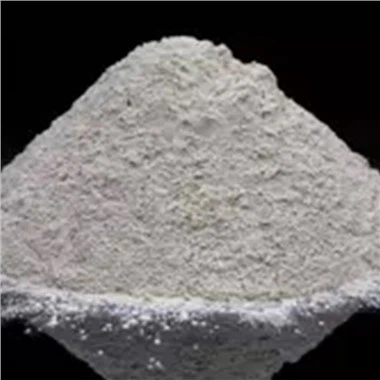
As a supplier of Carboxymethyl Cellulose (CMC) Gel, I've witnessed firsthand the product's versatility and importance across various industries, from Carboxymethyl Cellulose in Cosmetics to Carboxymethyl Cellulose in Skin Care and Carboxymethyl Cellulose in Detergent. Optimizing the production process of CMC Gel is crucial to ensure high - quality products, cost - effectiveness, and environmental sustainability. In this blog, I'll share some key strategies and insights on how to achieve this optimization.
Raw Material Selection
The quality of raw materials is the foundation of a high - quality CMC Gel. Cellulose, the primary raw material, can be sourced from different plants such as cotton linter, wood pulp, and straw. Cotton linter is often preferred due to its high purity and low impurity content, which can lead to a more consistent and high - quality CMC Gel. When selecting cellulose, factors like cellulose content, degree of polymerization, and moisture content should be carefully considered.
The reagents used in the carboxymethylation process, such as sodium hydroxide and monochloroacetic acid, also play a vital role. High - purity reagents can reduce side reactions and improve the substitution degree of CMC Gel. It's essential to establish strict quality control measures for raw material suppliers to ensure the stability of raw material quality. Regular audits of suppliers and in - house testing of incoming raw materials can help identify and address any potential quality issues early on.
Reaction Conditions Optimization
The carboxymethylation reaction is the core step in CMC Gel production. Controlling reaction conditions precisely can significantly improve the quality and yield of the product.
Temperature
The reaction temperature affects the reaction rate and the substitution degree of CMC. Generally, a higher temperature can accelerate the reaction, but it may also cause side reactions such as degradation of cellulose and excessive substitution. Optimal reaction temperatures usually range from 50 - 80°C, depending on the type of cellulose and the desired properties of the CMC Gel.
Time
The reaction time is closely related to the reaction temperature. Longer reaction times can lead to a higher substitution degree, but it also increases production costs and energy consumption. By studying the reaction kinetics, an appropriate reaction time can be determined to achieve the desired substitution degree while minimizing production time.
pH
The pH value of the reaction system affects the activity of the reagents and the reaction mechanism. A proper pH range, usually around 9 - 11, is necessary to ensure the smooth progress of the carboxymethylation reaction. Monitoring and adjusting the pH value during the reaction can help maintain the stability of the reaction.
Process Integration and Automation
Integrating different production processes can improve production efficiency and reduce production costs. For example, combining the cellulose pretreatment, carboxymethylation reaction, and purification processes in a continuous production line can minimize intermediate storage and transfer times.
Automation technology can further enhance process control and reduce human errors. Automated control systems can monitor and adjust reaction conditions such as temperature, pressure, and flow rate in real - time. Robotic systems can be used for material handling and packaging, improving the accuracy and speed of these operations. With automation, production data can be collected and analyzed to identify areas for improvement and optimize the production process continuously.
Purification and Drying
Purification is an important step to remove impurities and by - products from the CMC Gel. Common purification methods include washing with alcohol or water, filtration, and centrifugation. The choice of purification method depends on the type and amount of impurities. For example, alcohol washing can effectively remove unreacted reagents and low - molecular - weight by - products.
After purification, the CMC Gel needs to be dried to reduce its moisture content. Drying methods such as spray drying, drum drying, and vacuum drying can be used. Spray drying is a popular choice as it can produce a fine - powder product with good solubility. However, the drying temperature and time need to be carefully controlled to prevent the degradation of CMC Gel.
Quality Control
Establishing a comprehensive quality control system is essential for optimizing the production process. Quality control should cover all aspects of production, from raw material inspection to finished product testing.
Physical and Chemical Properties Testing
Regular testing of physical and chemical properties such as viscosity, substitution degree, pH value, and moisture content is necessary. These properties directly affect the performance of CMC Gel in different applications. For example, in the cosmetic industry, the viscosity of CMC Gel can affect the texture and spreadability of cosmetics.
Microbiological Testing
Microbiological contamination can affect the shelf - life and safety of CMC Gel, especially in applications such as skin care products. Testing for bacteria, fungi, and yeast should be carried out regularly. Implementing good manufacturing practices (GMP) in the production facility, including proper cleaning and disinfection procedures, can help prevent microbiological contamination.
Environmental Sustainability
In today's world, environmental sustainability is an important consideration in production process optimization. Reducing waste generation and energy consumption can not only lower production costs but also enhance the company's social responsibility.
Waste Reduction
By optimizing the reaction conditions and purification processes, the amount of waste generated during production can be reduced. Recycling and reusing waste materials, such as solvents and unreacted reagents, can also minimize waste disposal costs. For example, alcohol used in the purification process can be recovered and reused after distillation.
Energy Efficiency
Energy - saving measures can be implemented throughout the production process. Using energy - efficient equipment such as high - efficiency motors, heat exchangers, and drying equipment can reduce energy consumption. Additionally, optimizing production schedules to avoid unnecessary equipment idling can also contribute to energy savings.


Continuous Improvement
The production process of CMC Gel is not static. Continuous improvement is necessary to adapt to market changes, technological advancements, and customer requirements.
Research and Development
Investing in research and development can help discover new production technologies and improve existing processes. For example, exploring new catalysts or reaction mechanisms can reduce reaction times and improve product quality. Collaborating with universities and research institutions can bring in new ideas and expertise.
Employee Training
Well - trained employees are the key to a successful production process. Regular training programs can help employees understand the latest production technologies, quality control measures, and safety regulations. Encouraging employees to participate in process improvement initiatives can also foster a culture of innovation and continuous improvement within the company.
Conclusion
Optimizing the production process of CMC Gel requires a comprehensive approach that covers raw material selection, reaction conditions control, process integration, quality control, environmental sustainability, and continuous improvement. By implementing these strategies, we can produce high - quality CMC Gel products more efficiently, cost - effectively, and sustainably.
If you're interested in our CMC Gel products or have any questions about the production process, I encourage you to contact us for further discussion and potential procurement opportunities. We're committed to providing the best products and services to meet your needs.
References
- [Author's name]. (Year). [Title of the book]. [Publisher].
- [Author's name]. (Year). [Title of the research paper]. [Journal name], [Volume number], [Page numbers].
- [Author's name]. (Year). [Title of the report]. [Organization name].