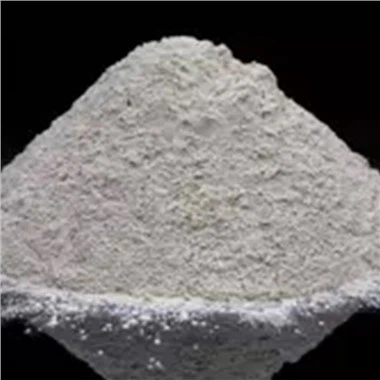
As a supplier of Oil Drilling Grade Organoclay, I understand the critical importance of proper storage for this essential product in the oil - drilling industry. In this blog, I will share some key points on how Oil Drilling Grade Organoclay should be stored to maintain its quality and performance.
1. Understanding Oil Drilling Grade Organoclay
Oil Drilling Grade Organoclay is a modified clay material that plays a vital role in oil - based drilling fluids. It helps to increase the viscosity, suspend cuttings, and reduce fluid loss in the drilling process. There are different types of Oil Drilling Grade Organoclay, such as Modified Bentonite with Oil Based Drilling, Organic Bentonite with Primarily Diesel - based Drilling Fluids, and Organoclay with Synthetic - oil Base Fluids. Each type has its unique properties and applications, but they all require proper storage to ensure their effectiveness.
2. Storage Environment
Temperature
Temperature is a crucial factor in storing Oil Drilling Grade Organoclay. Extreme temperatures can have a negative impact on the physical and chemical properties of the organoclay. High temperatures can cause the organoclay to degrade, leading to a loss of its thickening and suspending capabilities. On the other hand, low temperatures can make the organoclay more brittle and difficult to disperse.
It is recommended to store Oil Drilling Grade Organoclay in an environment with a temperature range between 10°C and 30°C (50°F - 86°F). If the storage area is exposed to direct sunlight or other heat sources, proper insulation or shading should be provided to maintain a stable temperature.
Humidity
Humidity can also affect the quality of Oil Drilling Grade Organoclay. Moisture can cause the organoclay to clump together, making it difficult to handle and reducing its dispersibility in drilling fluids. To prevent moisture absorption, the storage area should be kept dry, with a relative humidity of less than 60%.
Using dehumidifiers or moisture - absorbing materials in the storage area can help control humidity levels. Additionally, the organoclay should be stored in sealed containers or bags to minimize contact with the surrounding air.
Ventilation
Good ventilation is essential in the storage area. Oil Drilling Grade Organoclay may release small amounts of volatile organic compounds (VOCs), especially if it contains certain additives. Proper ventilation helps to remove these VOCs and maintain a safe working environment.

The storage area should have adequate air circulation, either through natural ventilation (e.g., windows and doors) or mechanical ventilation systems (e.g., fans). However, care should be taken to prevent dust from being carried into the storage area by the ventilation system.
3. Storage Containers
Type of Containers
The choice of storage containers is important for protecting Oil Drilling Grade Organoclay. It is recommended to use containers made of materials that are resistant to corrosion and moisture, such as high - density polyethylene (HDPE) or stainless steel. These materials can prevent the organoclay from being contaminated by external substances.
Containers should have tight - fitting lids to prevent the entry of moisture, dust, and other contaminants. If the organoclay is stored in bags, the bags should be made of durable and moisture - resistant materials, such as laminated plastic.
Labeling
Proper labeling of storage containers is crucial. Each container should be clearly labeled with the product name, type, batch number, and date of manufacture. This information helps in inventory management and ensures that the oldest stock is used first (first - in, first - out principle).
4. Storage Location
Indoor vs. Outdoor Storage
Indoor storage is generally preferred for Oil Drilling Grade Organoclay. Indoor storage provides better protection against environmental factors such as temperature fluctuations, humidity, and direct sunlight. It also reduces the risk of damage from weather events such as rain, snow, and wind.
However, if outdoor storage is unavoidable, the organoclay should be stored in a covered area, such as a shed or a warehouse with a waterproof roof. The storage area should be elevated to prevent flooding and should be protected from direct sunlight.
Stacking
When stacking containers of Oil Drilling Grade Organoclay, care should be taken to ensure stability. Containers should be stacked in a way that distributes the weight evenly and prevents them from toppling over. The maximum stacking height should be determined based on the strength of the containers and the floor capacity of the storage area.
It is also important to leave enough space between stacks for easy access and inspection. This helps in identifying any potential issues, such as damaged containers or signs of degradation, in a timely manner.
5. Handling During Storage
Loading and Unloading
During loading and unloading operations, Oil Drilling Grade Organoclay should be handled with care. Rough handling can cause damage to the containers and lead to spillage. Forklifts or other handling equipment should be used properly to avoid dropping or crushing the containers.
Inspection
Regular inspection of the stored organoclay is necessary. Inspections should include checking for signs of damage to the containers, such as cracks or leaks, as well as any visible changes in the appearance of the organoclay, such as clumping or discoloration.
Any damaged containers should be replaced immediately, and any affected organoclay should be evaluated to determine if it is still suitable for use. If there are any signs of degradation, the organoclay may need to be discarded or re - processed.
6. Quality Assurance
Sampling and Testing
Periodic sampling and testing of the stored Oil Drilling Grade Organoclay are important to ensure its quality. Samples should be taken from different batches and locations within the storage area. The samples can be tested for properties such as viscosity, gel strength, and fluid loss control.
Testing should be carried out according to industry standards and specifications. If the test results indicate that the quality of the organoclay has deteriorated, appropriate measures should be taken, such as adjusting the storage conditions or replacing the affected stock.
7. Conclusion
Proper storage of Oil Drilling Grade Organoclay is essential for maintaining its quality and performance. By controlling the storage environment, using appropriate storage containers, choosing the right storage location, handling the product with care, and conducting regular quality assurance, the effectiveness of the organoclay in oil - drilling operations can be ensured.
If you are in the oil - drilling industry and are interested in purchasing high - quality Oil Drilling Grade Organoclay, we are here to provide you with the best products and services. Contact us to start a procurement negotiation and find the most suitable organoclay for your specific needs.
References
- API Recommended Practice 13B - 2: Recommended Practice for Field Testing of Oil - Based Drilling Fluids. American Petroleum Institute.
- ASTM D4284 - 12: Standard Test Method for Determining the Normal Heptane Asphaltene Content of Crude Oils and Petroleum Products. American Society for Testing and Materials.