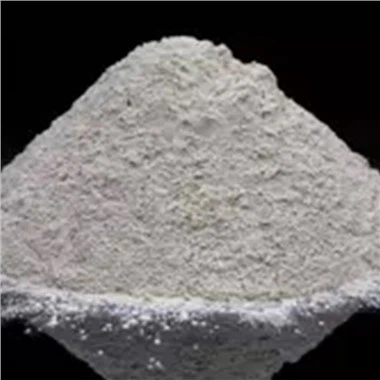
Sucralose, also known as E - 955, is a well - known artificial sweetener that has gained significant popularity in recent decades. As a supplier of Sucralose E - 955, I often encounter questions from customers about how it compares to sugar. In this blog post, I will delve into various aspects of this comparison, including taste, health effects, cost, and applications.
Taste
One of the most critical factors when comparing sweeteners is taste. Sugar, which is derived from sugar cane or sugar beets, has a well - loved and familiar taste. It provides a quick burst of sweetness that is smooth and rounded. However, some people might find that excessive sugar can lead to a somewhat cloying aftertaste.
Sucralose, on the other hand, is incredibly sweet. In fact, it is about 400 - 800 times sweeter than sugar. This high level of sweetness means that only a tiny amount of Sucralose is needed to achieve the same level of sweetness as sugar. When it comes to taste, Sucralose closely mimics the taste of sugar. It does not have the bitter or chemical aftertaste that some other artificial sweeteners might have. This makes Sucralose a great alternative for those who want the sweet taste of sugar without the drawbacks. For more information on the composition of Sucralose that contributes to its taste, you can visit Sucralose Composition.
Health Effects
The health effects of sugar and Sucralose are a major point of discussion. Sugar is a simple carbohydrate that provides energy in the form of calories. However, excessive sugar consumption has been linked to a variety of health problems. High sugar intake can lead to weight gain, as the body stores excess sugar as fat. It is also associated with an increased risk of type 2 diabetes, as the body may become less sensitive to insulin over time. Additionally, sugar can cause tooth decay, as bacteria in the mouth feed on sugar and produce acids that erode tooth enamel.
Sucralose is a non - nutritive sweetener, which means it contains almost no calories. It passes through the body without being metabolized, so it does not contribute to blood sugar spikes. This makes it an excellent option for people with diabetes or those who are trying to manage their weight. Numerous scientific studies have been conducted on Sucralose, and it has been approved as safe for consumption by major health organizations such as the U.S. Food and Drug Administration (FDA) and the European Food Safety Authority (EFSA). However, some people may still have concerns about artificial sweeteners in general, and it's important to note that individual reactions can vary.


Cost
Cost is another important consideration for both consumers and manufacturers. Sugar is a widely available commodity, but the cost can fluctuate depending on factors such as crop yields and global market demand. In general, the price of sugar can be relatively high, especially for high - quality or specialty sugars.
Sucralose, due to its high level of sweetness, is much more cost - effective in the long run. Since only a small amount is needed to achieve the same level of sweetness as sugar, the overall cost of using Sucralose can be significantly lower. This is particularly beneficial for food and beverage manufacturers, who can reduce their production costs without sacrificing the sweetness of their products.
Applications
Both sugar and Sucralose have a wide range of applications in the food and beverage industry. Sugar is a staple ingredient in baking, where it not only provides sweetness but also helps with browning, texture, and moisture retention. It is also used in the production of candies, jams, and soft drinks.
Sucralose is incredibly versatile and can be used in many of the same applications as sugar. It can be used in baked goods, but since it does not provide the same browning or moisture - retention properties as sugar, some adjustments to the recipe may be needed. Sucralose is also commonly used in diet beverages, sugar - free desserts, and pharmaceutical products. For pharmaceutical applications, you can explore Pharmaceutical Sucralose Liquid, and for food - grade uses, there is Food Grade Sucralose Liquid.
Environmental Impact
The environmental impact of sugar production is also a concern. Sugar cane and sugar beet farming often require large amounts of water, pesticides, and fertilizers. The processing of sugar also consumes a significant amount of energy. Additionally, sugar production can lead to soil degradation and water pollution.
Sucralose production, on the other hand, has a relatively lower environmental impact. It is chemically synthesized in a controlled environment, which requires fewer natural resources compared to sugar production. This makes Sucralose a more environmentally friendly option for those who are conscious of their ecological footprint.
Conclusion
In conclusion, Sucralose E - 955 offers several advantages over sugar. It has a similar taste, lower calorie content, better cost - effectiveness, and a lower environmental impact. While sugar has its place in traditional cooking and baking, Sucralose provides a viable alternative for those looking to reduce their sugar intake or cut down on production costs.
If you are interested in purchasing Sucralose E - 955 for your food, beverage, or pharmaceutical needs, I encourage you to contact us to discuss your requirements. We are committed to providing high - quality Sucralose products and excellent customer service.
References
- U.S. Food and Drug Administration (FDA). "Sucralose." Available at the official FDA website.
- European Food Safety Authority (EFSA). "Scientific Opinion on the re - evaluation of sucralose (E 955) as a food additive." EFSA Journal, Volume 16, Issue 10, 2018.
- Various scientific studies on the health effects and taste properties of sugar and Sucralose published in peer - reviewed journals.