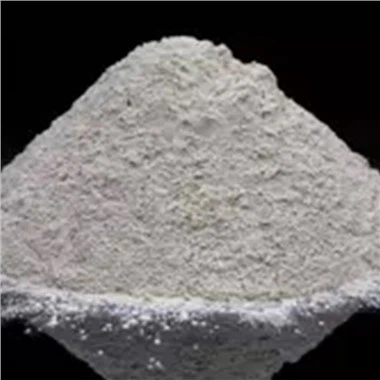
Hey there! As a supplier of Polyanionic Cellulose PAC LV, I've seen firsthand how this incredible product can make a big difference in the world of drilling fluids. Today, I'm gonna dive into how Polyanionic Cellulose PAC LV affects the shear thinning behavior of drilling fluids.
First off, let's quickly talk about what shear thinning behavior is. In simple terms, shear thinning means that the viscosity of a fluid decreases as the shear rate increases. This is a super important property in drilling fluids because it helps with various aspects of the drilling process, like hole cleaning, cuttings transport, and reducing pump pressure.
Now, let's get into how Polyanionic Cellulose PAC LV comes into play. PAC LV is a type of cellulose derivative that's commonly used in drilling fluids. When it's added to the fluid, it forms a three - dimensional network structure. This network is made up of long - chain molecules that interact with each other and with other components in the drilling fluid.
At low shear rates, the molecules in the PAC LV - containing drilling fluid are all tangled up in this network. This causes the fluid to have a relatively high viscosity. It's like a big, sticky mess where the molecules are holding each other back from flowing freely. This high viscosity at low shear rates is great for suspending cuttings. When the drill bit is cutting through the rock, the cuttings need to be kept in suspension so they don't settle at the bottom of the wellbore. The high - viscosity drilling fluid can do just that, ensuring that the cuttings are carried to the surface during the drilling process.
But here's where the magic happens. When the shear rate increases, like when the fluid is being pumped through the drill string at high speeds, the forces acting on the PAC LV molecules start to break up the network structure. The long - chain molecules start to align in the direction of the flow. As they align, there's less resistance to flow, and the viscosity of the fluid drops significantly. This is the shear thinning behavior in action.
The ability of PAC LV to cause this shear thinning effect is really beneficial for the drilling operation. When the fluid is flowing through the narrow spaces in the drill bit and the wellbore, the lower viscosity allows for easier flow. This means that less energy is required to pump the fluid, which can save a lot of money on pumping costs. It also helps in preventing excessive pressure build - up, which could potentially damage the wellbore or the drilling equipment.
Compared to other types of additives, PAC LV has some unique advantages. For example, Polyanionic Cellulose PAC DLV has a different molecular structure and degree of substitution. PAC DLV might have a different level of shear thinning behavior. It could be more suitable for certain types of drilling conditions where a different viscosity - shear rate relationship is needed.
On the other hand, Polyanionic Cellulose PAC HV has a higher molecular weight and can provide a higher initial viscosity at low shear rates. It's great for applications where you need even better suspension of cuttings, but it might also have a different shear thinning profile compared to PAC LV.
In the real world, the performance of PAC LV in affecting shear thinning behavior can be influenced by several factors. One of the key factors is the concentration of PAC LV in the drilling fluid. If you add too little PAC LV, the network structure might not be strong enough to provide the desired shear thinning effect. On the other hand, if you add too much, the fluid might become too viscous even at high shear rates, which can cause problems with pumping and flow.
The temperature also plays a role. At higher temperatures, the molecules in the PAC LV - containing fluid have more energy. This can cause the network structure to break down more easily, even at lower shear rates. So, in high - temperature drilling environments, the shear thinning behavior of the fluid might be different compared to normal - temperature conditions.
Another factor is the presence of other additives in the drilling fluid. Some additives might interact with PAC LV, either enhancing or inhibiting its ability to form the network structure. For example, salts in the drilling fluid can change the electrostatic interactions between the PAC LV molecules, which can affect the shear thinning behavior.
Now, if you're in the drilling industry and you're looking for a reliable way to control the shear thinning behavior of your drilling fluids, PAC LV could be the answer. It's a well - tested and proven additive that has been used in countless drilling operations around the world. Whether you're drilling in onshore or offshore wells, in different geological formations, PAC LV can help you optimize your drilling process.
I know that every drilling project is unique, and you might have specific requirements for your drilling fluid. That's why we're here to help. We can work with you to determine the right concentration of PAC LV for your particular application, taking into account all the factors like temperature, other additives, and the type of drilling operation.
If you're interested in learning more about how Polyanionic Cellulose PAC LV can benefit your drilling fluids or if you want to start a purchase and have a chat about the best options for you, don't hesitate to reach out. We're always happy to have a conversation and find the best solutions for your needs.
References:


- Smith, J. (2018). "Advances in Drilling Fluid Additives". Journal of Petroleum Engineering.
- Johnson, R. (2019). "The Role of Cellulose Derivatives in Drilling Fluids". International Journal of Drilling Technology.