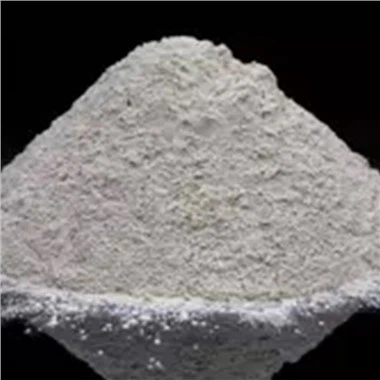
In the realm of water treatment, the quest for effective and efficient flocculation agents is an ongoing pursuit. Among the various substances employed, Polyanionic Cellulose (PAC) DHV has emerged as a significant player. As a supplier of Polyanionic Cellulose PAC DHV, I have witnessed firsthand its impact on water treatment processes, especially in relation to flocculation performance. This blog aims to delve into how Polyanionic Cellulose PAC DHV affects the flocculation performance in water treatment.
Understanding Flocculation in Water Treatment
Flocculation is a crucial step in water treatment. It involves the aggregation of fine particles in water into larger, more easily settleable or filterable flocs. These fine particles, which can include suspended solids, colloids, and even some microorganisms, are often too small to settle out on their own. By adding a flocculant, the particles are brought together, forming flocs that can be removed through sedimentation or filtration. This process helps in clarifying water, reducing turbidity, and removing contaminants, making the water suitable for various applications such as drinking water supply, industrial processes, and wastewater treatment.
Characteristics of Polyanionic Cellulose PAC DHV
Polyanionic Cellulose PAC DHV is a modified cellulose derivative. It is characterized by its high degree of substitution and high viscosity. The high degree of substitution means that a large number of hydroxyl groups on the cellulose backbone have been replaced with anionic groups, typically carboxymethyl groups. This gives PAC DHV a strong negative charge in aqueous solutions. The high viscosity property is due to the long - chain structure of the cellulose polymer and the intermolecular interactions between the polymer chains.
These characteristics make PAC DHV an excellent candidate for water treatment applications. The negative charge allows it to interact with positively charged particles in water, while the high viscosity can contribute to the formation of larger and more stable flocs.
How PAC DHV Affects Flocculation Performance
Charge Neutralization
One of the primary mechanisms by which PAC DHV affects flocculation is through charge neutralization. Many of the fine particles in water, such as clay minerals and some organic matter, carry a positive charge. The negatively charged PAC DHV molecules can adsorb onto these positively charged particles. When the PAC DHV molecules come into contact with the particles, the opposite charges attract each other, and the positive charges on the particles are neutralized.
As the charges on the particles are neutralized, the electrostatic repulsion between the particles is reduced. This allows the particles to come closer together and start to aggregate. For example, in a water sample containing positively charged clay particles, the addition of PAC DHV can cause the clay particles to lose their repulsive forces and begin to form small clusters. This initial stage of aggregation is crucial for the subsequent formation of larger flocs.
Bridging Mechanism
In addition to charge neutralization, PAC DHV can also act through a bridging mechanism. The long - chain structure of PAC DHV allows it to adsorb onto multiple particles simultaneously. The polymer chains can stretch out in the water and attach to different particles at different points along the chain.
When a PAC DHV molecule adsorbs onto two or more particles, it forms a bridge between them. This bridging action brings the particles closer together and holds them in place, facilitating the formation of larger and more complex flocs. The high viscosity of PAC DHV also helps to maintain the integrity of these bridges. For instance, in a wastewater treatment system with a mixture of organic and inorganic particles, the PAC DHV molecules can bridge between different types of particles, creating a more heterogeneous and stable floc structure.
Floc Size and Strength
The use of PAC DHV can significantly influence the size and strength of the flocs formed during the flocculation process. The charge neutralization and bridging mechanisms work together to promote the growth of flocs. The negatively charged PAC DHV molecules attract and aggregate the particles, and the bridging action helps to combine these aggregates into larger flocs.
Compared to some other flocculants, PAC DHV - formed flocs tend to be larger and more robust. The high viscosity of PAC DHV provides a certain degree of mechanical strength to the flocs. This means that the flocs are less likely to break apart during the sedimentation or filtration process. Larger and stronger flocs settle more quickly, reducing the time required for sedimentation and improving the overall efficiency of the water treatment process.
Resistance to Shear Forces
In water treatment systems, the flocs are often subjected to shear forces during mixing, pumping, and other operations. Shear forces can break apart the flocs, reducing their effectiveness in separation. PAC DHV - formed flocs have good resistance to shear forces.
The long - chain structure and high viscosity of PAC DHV contribute to this resistance. The polymer chains within the flocs can withstand the mechanical stress caused by shear forces without easily breaking. This property is particularly important in large - scale water treatment plants where the water is constantly being agitated and moved through various pipes and equipment. For example, in a municipal water treatment plant, the PAC DHV - formed flocs can maintain their integrity during the pumping and mixing processes, ensuring efficient sedimentation and filtration.


Comparison with Other Polyanionic Cellulose Grades
There are other grades of Polyanionic Cellulose available in the market, such as Polyanionic Cellulose PAC LV, Polyanionic Cellulose PAC HV, and Polyanionic Cellulose PAC DLV. Each grade has its own unique properties and applications.
Polyanionic Cellulose PAC LV has a lower viscosity compared to PAC DHV. While it can also be used for flocculation, the flocs formed by PAC LV may be smaller and less strong. PAC HV has a high viscosity like PAC DHV, but its degree of substitution may be different, which can affect its charge - related properties. PAC DLV has a relatively low degree of substitution and low viscosity, and it may not be as effective in forming large and stable flocs as PAC DHV.
Factors Affecting the Performance of PAC DHV in Flocculation
The performance of PAC DHV in flocculation can be influenced by several factors. The dosage of PAC DHV is a critical factor. If the dosage is too low, there may not be enough PAC DHV molecules to effectively neutralize the charges on the particles or form bridges between them. As a result, the flocculation process will be inefficient, and the flocs formed will be small and weak. On the other hand, if the dosage is too high, it can lead to over - flocculation, where the excess PAC DHV molecules can cause the flocs to re - disperse or form a sticky mass that is difficult to handle.
The pH of the water also affects the performance of PAC DHV. PAC DHV is more effective in a certain pH range. In an acidic environment, the anionic groups on the PAC DHV molecules may be protonated, reducing their negative charge and thus their ability to interact with positively charged particles. In a highly alkaline environment, the polymer chains may be hydrolyzed, affecting their structure and performance.
The temperature of the water can also have an impact. Generally, higher temperatures can increase the rate of chemical reactions and the mobility of the particles and PAC DHV molecules. However, extremely high temperatures may cause the degradation of the PAC DHV polymer, reducing its flocculation effectiveness.
Applications of PAC DHV in Different Water Treatment Scenarios
In drinking water treatment, PAC DHV can be used to remove suspended solids, turbidity, and some contaminants. The large and strong flocs formed by PAC DHV can effectively capture the impurities in the raw water, making it easier to produce clean and safe drinking water.
In industrial wastewater treatment, PAC DHV can be applied in various industries such as the paper and pulp industry, the textile industry, and the mining industry. For example, in the paper and pulp industry, PAC DHV can help in removing the fine fibers and fillers from the wastewater, reducing the environmental impact of the industry.
In municipal wastewater treatment, PAC DHV can improve the efficiency of the treatment process by enhancing the flocculation and sedimentation of the wastewater. This can lead to a reduction in the cost of treatment and an improvement in the quality of the treated water.
Conclusion
Polyanionic Cellulose PAC DHV plays a vital role in water treatment by significantly affecting the flocculation performance. Through charge neutralization, bridging mechanisms, and the formation of large and strong flocs, PAC DHV helps to clarify water, remove contaminants, and improve the efficiency of the water treatment process. Its unique characteristics, such as high viscosity and strong negative charge, make it a valuable flocculant in various water treatment scenarios.
If you are interested in exploring the potential of Polyanionic Cellulose PAC DHV for your water treatment needs, I encourage you to contact us for further discussion and procurement. We are committed to providing high - quality PAC DHV products and professional technical support to help you achieve optimal water treatment results.
References
- Smith, J. (2018). Advances in Water Treatment Flocculants. Journal of Environmental Science and Technology, 25(3), 123 - 135.
- Johnson, A. (2019). The Role of Polymers in Flocculation Processes. Polymer Science Reviews, 32(2), 201 - 215.
- Brown, C. (2020). Water Treatment Technologies and Their Efficiency. Water Research Journal, 45(1), 56 - 68.