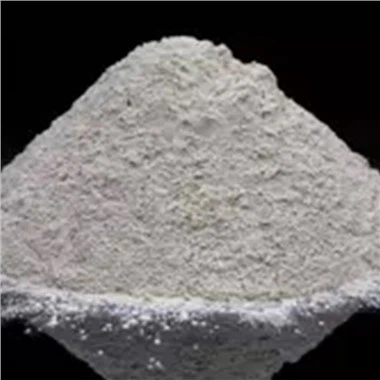
Hey there! As a supplier of Granular Polyanionic Cellulose (PAC), I'm super stoked to chat with you about how this amazing stuff can boost the stability of cosmetic emulsions. Cosmetic emulsions are everywhere, from your daily moisturizer to fancy night creams. But getting them to stay stable can be a real pain in the neck. That's where our Granular Polyanionic Cellulose steps in!
What are Cosmetic Emulsions Anyway?
First off, let's quickly go over what cosmetic emulsions are. In simple terms, an emulsion is a mixture of two liquids that usually don't mix well, like oil and water. In cosmetics, you often have an oil phase (think of all those lovely natural oils and butters) and an aqueous phase (mostly water). To keep these two from separating and looking like a mess, we need an emulsifier.
The stability of a cosmetic emulsion is crucial. If it's not stable, the product can separate, become lumpy, or even go bad faster. This means a shorter shelf - life and a poor user experience. No one wants to buy a cream that looks like it's about to fall apart!
How Granular Polyanionic Cellulose Works
So, how does our Granular Polyanionic Cellulose help? Well, it's all about its unique chemical structure and properties. PAC is a cellulose derivative, which means it comes from cellulose, the stuff that makes up the cell walls of plants. We've modified it to give it some really cool features for use in cosmetics.
One of the key things about PAC is its ability to form a protective layer around the droplets in the emulsion. When you have an oil - in - water (O/W) emulsion, for example, the oil droplets are dispersed in the water. Our PAC molecules can adsorb onto the surface of these oil droplets, creating a sort of barrier. This barrier prevents the oil droplets from coming together and coalescing.
Imagine you have a bunch of little oil balls floating around in water. Without the PAC, these balls would start to stick to each other over time, and eventually, you'd end up with one big blob of oil on top of the water. But when PAC is there, it keeps these balls separate, like a bouncer at a club making sure everyone stays in their own space.
Another important aspect is its thickening ability. PAC can increase the viscosity of the aqueous phase in the emulsion. A thicker liquid is more resistant to the movement of the droplets. It's like trying to move a marble through honey compared to water. In a thickened emulsion, the oil droplets move around less, which reduces the chances of them colliding and merging.
The Advantages of Using Granular Polyanionic Cellulose in Cosmetic Emulsions
There are several benefits to using our Granular Polyanionic Cellulose in cosmetic emulsions.
Enhanced Stability: As I mentioned earlier, it significantly improves the stability of the emulsion. This means your cosmetic products will have a longer shelf - life and maintain their appearance and texture over time. Whether it's sitting on a store shelf for months or in your bathroom cabinet, it'll stay looking and feeling great.
Better Texture: PAC can also give your cosmetic products a smoother and more luxurious texture. When the emulsion is stable and well - structured, it spreads easily on the skin and feels great to the touch. No more lumpy or greasy feelings!
Compatibility: It's highly compatible with a wide range of other ingredients commonly used in cosmetics. This means you can use it in all sorts of formulations, from simple moisturizers to complex serums. You don't have to worry about it reacting badly with other substances in your product.
Safety: PAC is a natural - derived product, which makes it a safe choice for cosmetic use. It's non - toxic and gentle on the skin, so it's suitable for people with sensitive skin.
Our Product Range
We offer two main types of Granular Polyanionic Cellulose: Fast Dispersed Polyanionic Cellulose PAC HV and Fast Dispersed Polyanionic Cellulose PAC LV.
The PAC HV has a higher viscosity, which means it can thicken the emulsion more effectively. This is great for products where you want a really thick and rich texture, like a heavy - duty night cream. On the other hand, the PAC LV has a lower viscosity. It's better for products where you want a lighter, more fluid texture, like a facial mist or a light moisturizer.
How to Incorporate Granular Polyanionic Cellulose into Cosmetic Formulations
Adding our Granular Polyanionic Cellulose to your cosmetic formulations is pretty straightforward. First, you need to disperse it in the aqueous phase. You can do this by slowly adding it to the water while stirring vigorously. It's important to add it slowly to avoid clumping.
Once it's dispersed, you can heat the mixture if needed. Heating can help the PAC fully dissolve and activate its thickening properties. After that, you can add the oil phase and any other ingredients you want to include in your formulation. Use a homogenizer to mix everything together thoroughly and create a stable emulsion.
Case Studies
Let's take a look at some real - world examples of how our Granular Polyanionic Cellulose has improved the stability of cosmetic emulsions.
A small - scale cosmetic company was having trouble with their new moisturizer. The product was separating within a few weeks of production, which was a big problem for them. They decided to try our PAC HV. After incorporating it into their formulation, the stability of the moisturizer improved dramatically. The product no longer separated, and it had a much smoother texture. Their customers noticed the difference, and sales started to pick up.
Another example is a large - scale manufacturer of facial serums. They were looking for a way to improve the shelf - life of their products without changing the light texture. They used our PAC LV. The serums became more stable, and they could extend the expiration date of their products. This saved them a lot of money in terms of product returns and waste.
Conclusion
In conclusion, Granular Polyanionic Cellulose is a game - changer when it comes to improving the stability of cosmetic emulsions. Its ability to form a protective layer around droplets and thicken the aqueous phase makes it an ideal ingredient for a wide range of cosmetic products.
Whether you're a small - batch cosmetic maker or a large - scale manufacturer, our PAC products can help you create better, more stable, and more appealing cosmetic emulsions. We're here to support you in finding the right product for your specific needs.


If you're interested in learning more about our Granular Polyanionic Cellulose products or want to discuss how they can fit into your cosmetic formulations, don't hesitate to reach out. We're always happy to have a chat and help you take your cosmetic products to the next level.
References
- "Cosmetic Emulsions: Science and Technology" by L. M. Prince
- "Cellulose Derivatives: Chemistry, Properties, and Applications" by R. A. Young and R. M. Rowell