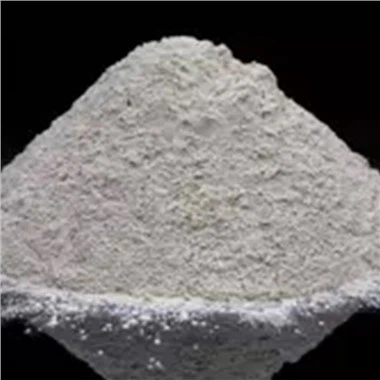
Hey there! As a supplier of Food Grade Powder CMC, I've got a lot to share about how this amazing ingredient can affect the taste of food. So, let's dive right in!
First off, what the heck is Food Grade Powder CMC? Well, CMC stands for Carboxymethyl Cellulose. It's a cellulose derivative that's commonly used in the food industry. You can learn more about it on our website Food Grade Powder CMC. It's often referred to as Carboxymethyl Cellulose E466, which you can find more info about here Carboxymethyl Cellulose E466. And also, check out CMC Cellulose for a more in - depth look.


Thickening and Mouthfeel
One of the main ways Food Grade Powder CMC affects the taste of food is through its thickening properties. When you add CMC to a food product, it can turn a thin liquid into a thicker, more viscous substance. This change in texture has a direct impact on how we perceive taste.
Think about a sauce. A thin sauce might just slide right off your food and not really coat your taste buds properly. But when you thicken it with CMC, it clings to the food and stays in your mouth longer. This gives your taste buds more time to detect the flavors in the sauce. For example, in a tomato sauce, the thickening effect of CMC can make the tomato flavor seem more intense. The sauce coats your tongue evenly, and you get a more concentrated burst of that delicious tomato taste.
In dairy products like yogurt, CMC can also play a big role. It helps to give yogurt a smooth and creamy texture. A thinner yogurt might feel a bit watery and less satisfying, but when CMC is added, it creates a rich mouthfeel. This creamy texture makes the yogurt more enjoyable to eat and can enhance the perception of the natural dairy flavor. You're more likely to savor each spoonful, and the taste seems to linger in your mouth.
Emulsification and Stability
Food Grade Powder CMC is also a great emulsifier. Emulsions are mixtures of two immiscible liquids, like oil and water. In many food products, you want these two substances to stay mixed together. For instance, in salad dressings, oil and vinegar don't naturally blend well. They tend to separate over time.
When you use CMC in a salad dressing, it helps to keep the oil and vinegar mixed. This is important for taste because if the dressing separates, you'll get uneven flavors. One bite might be all vinegar, and the next all oil. But with CMC keeping everything in a stable emulsion, you get a consistent flavor profile in every bite. The dressing spreads evenly over your salad, and you get a balanced taste of the oil, vinegar, and any other seasonings.
In mayonnaise, which is an emulsion of oil and egg yolk, CMC helps to maintain the stability of the product. It prevents the oil from separating out, ensuring that every spoonful of mayonnaise has the same rich, creamy taste. The stable texture also means that the flavor of the added seasonings, like mustard and garlic, is evenly distributed throughout the mayonnaise.
Water Retention
Another aspect of how CMC affects food taste is through water retention. In many food products, losing water can lead to a change in taste and texture. For example, in baked goods like bread, if the bread loses too much moisture, it becomes dry and stale.
Food Grade Powder CMC can help the bread retain water. This keeps the bread soft and moist for a longer time. A moist bread has a better taste than a dry one. The soft texture makes it easier to chew, and the flavors in the bread, like the wheat flavor and any added herbs or spices, are more pronounced. You can really taste the difference between a fresh, moist loaf with CMC and a dry, crumbly one without it.
In meat products, water retention is also crucial. When meat loses water during cooking, it can become tough and less flavorful. CMC can be used to help the meat hold onto its moisture. This results in a juicier and more tender meat. The retained water also helps to carry the natural meat flavors and any added seasonings throughout the meat. So, when you take a bite, you get a burst of juicy, flavorful meat.
Flavor Encapsulation
CMC can also act as a carrier for flavors. Some flavors are volatile, which means they can easily evaporate or be lost during processing or storage. Food Grade Powder CMC can encapsulate these flavors, protecting them from degradation.
For example, in fruit - flavored beverages, some of the delicate fruit flavors can be lost over time. By using CMC to encapsulate these flavors, they are better preserved. When you drink the beverage, you get a more intense and long - lasting fruit flavor. The CMC holds the flavor molecules in place, and as you consume the drink, the flavors are slowly released, giving you a more enjoyable taste experience.
In ice cream, CMC can encapsulate flavorings like chocolate chips or fruit pieces. It helps to keep these flavorings evenly distributed throughout the ice cream and also protects them from freezer burn. This means that every scoop of ice cream has a consistent and delicious taste, with the flavors intact.
Impact on Sweetness and Saltiness
Surprisingly, Food Grade Powder CMC can also have an impact on how we perceive sweetness and saltiness. In some cases, it can enhance these basic tastes.
In sweet products like jams and jellies, CMC can make the sweetness seem more intense. The thickening effect of CMC makes the jam more concentrated, and the sugar molecules are more closely packed together. This means that when you taste the jam, your taste buds are exposed to a higher concentration of sugar, and the sweetness is more pronounced.
In savory products, such as soups with added salt, CMC can also enhance the saltiness. The thickened soup coats your mouth better, and the salt ions are more effectively detected by your taste buds. This can make the soup seem saltier without having to add more actual salt, which is great for those looking to reduce sodium intake.
Interaction with Other Ingredients
Food Grade Powder CMC doesn't work in isolation. It interacts with other ingredients in a food product, and these interactions can also affect taste.
In a cake, for example, CMC can interact with the flour and other dry ingredients. It helps to form a better gluten network, which results in a lighter and more tender cake. This change in texture can enhance the perception of the other flavors in the cake, like the vanilla or chocolate. The cake is easier to chew and the flavors blend together more harmoniously.
In beverages with multiple ingredients, such as smoothies, CMC can help to blend the flavors of different fruits, vegetables, and other additives. It can prevent the separation of the different components and create a homogeneous mixture. This means that you get a balanced taste of all the ingredients in every sip.
Conclusion
So, as you can see, Food Grade Powder CMC has a wide - ranging impact on the taste of food. From thickening and emulsification to water retention and flavor encapsulation, it plays a crucial role in enhancing the taste experience. Whether you're a food manufacturer looking to improve the quality of your products or a home cook wanting to take your recipes to the next level, CMC can be a game - changer.
If you're interested in using Food Grade Powder CMC in your food products, we'd love to talk to you. We can provide you with high - quality CMC and offer advice on how to use it effectively. Contact us to start a discussion about your specific needs and how CMC can benefit your food products.
References
- "Food Hydrocolloids: Gums, Stabilizers, and Emulsifiers" by John N. BeMiller and Karen L. Whistler.
- "Food Texture and Viscosity: Concept and Measurement" by Malcolm C. Bourne.
- "Flavor Chemistry and Technology" by Robert Teranishi, Roy G. Buttery, and Fereidoon Shahidi.