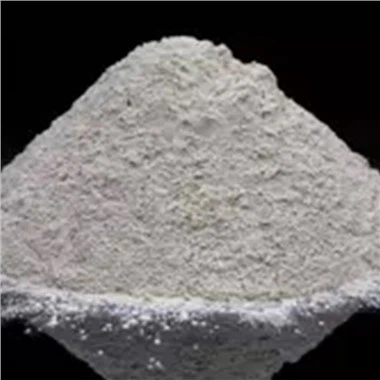
Carboxymethyl cellulose (CMC) gel, a derivative of cellulose, has emerged as a remarkable substance with a wide range of applications across various industries. As a leading supplier of CMC gel, I have witnessed firsthand its transformative impact on the flow behavior of fluids. In this blog post, I will delve into the science behind how CMC gel affects fluid flow, exploring its mechanisms, applications, and the benefits it offers.
Understanding Carboxymethyl Cellulose Gel
Before we explore its effects on fluid flow, let's first understand what CMC gel is. CMC is a cellulose derivative that is chemically modified by introducing carboxymethyl groups (-CH₂-COOH) to the cellulose backbone. This modification imparts unique properties to CMC, making it soluble in water and capable of forming viscous solutions or gels.
CMC gel is typically prepared by dissolving CMC powder in water under specific conditions. The resulting gel exhibits thixotropic behavior, meaning it becomes less viscous when subjected to shear stress and returns to its original viscosity when the stress is removed. This property makes CMC gel an ideal additive for controlling the flow behavior of fluids in various applications.
Mechanisms of Action
The ability of CMC gel to affect the flow behavior of fluids can be attributed to several mechanisms. One of the primary mechanisms is the formation of a three - dimensional network structure within the fluid. When CMC gel is added to a fluid, the carboxymethyl groups on the CMC molecules interact with each other and with the solvent molecules through hydrogen bonding and electrostatic interactions. This leads to the formation of a network that entraps the solvent and restricts the movement of fluid particles, thereby increasing the viscosity of the fluid.
Another important mechanism is the lubricating effect of CMC gel. The CMC molecules can adsorb onto the surfaces of solid particles or droplets in the fluid, forming a protective layer. This layer reduces the frictional forces between the particles or droplets, allowing them to move more freely and improving the fluidity of the system.
In addition, CMC gel can also act as a stabilizer in emulsions and suspensions. It prevents the coalescence of droplets or the settling of particles by steric and electrostatic stabilization mechanisms. This helps to maintain the homogeneity of the fluid and ensures consistent flow behavior over time.
Applications in Different Industries
Cosmetics
In the cosmetics industry, CMC gel plays a crucial role in formulating products with desired flow properties. For example, in creams and lotions, CMC gel can be used to control the viscosity and spreadability of the product. It provides a smooth and creamy texture, making the product easy to apply and enhancing the user experience. Moreover, CMC gel can also act as a thickener and stabilizer in hair gels and styling products, helping to hold the hair in place while providing a natural look. You can learn more about Carboxymethyl Cellulose in Cosmetics.
Detergents
In the detergent industry, CMC gel is used to improve the flow behavior of liquid detergents. It can prevent the separation of different components in the detergent formulation, ensuring a uniform distribution of active ingredients. CMC gel also helps to reduce the stickiness of the detergent, making it easier to pour and dispense. Additionally, the lubricating effect of CMC gel can enhance the cleaning performance of the detergent by facilitating the movement of dirt particles away from the surface being cleaned. For more information on Carboxymethyl Cellulose in Detergent.
Skin Care
In skin care products, CMC gel is valued for its moisturizing and protective properties. It can form a thin film on the skin surface, which helps to prevent moisture loss and keep the skin hydrated. The thixotropic nature of CMC gel allows it to be easily spread on the skin, and its viscosity provides a long - lasting feel. You can find detailed information about Carboxymethyl Cellulose in Skin Care.
Benefits of Using CMC Gel
One of the key benefits of using CMC gel to control fluid flow is its versatility. It can be used in a wide range of fluids, including aqueous solutions, emulsions, and suspensions. CMC gel is also biocompatible and non - toxic, making it suitable for use in food, pharmaceutical, and cosmetic applications.
Another advantage is its cost - effectiveness. Compared to some other thickeners and stabilizers, CMC gel is relatively inexpensive and can be easily incorporated into existing formulations. This makes it an attractive option for manufacturers looking to improve the quality and performance of their products without significantly increasing the production cost.
In addition, CMC gel offers excellent stability over a wide range of pH and temperature conditions. It can maintain its viscosity and flow properties even under harsh environmental conditions, ensuring the long - term stability of the fluid system.
Factors Affecting the Performance of CMC Gel
The performance of CMC gel in affecting the flow behavior of fluids can be influenced by several factors. One of the most important factors is the degree of substitution (DS) of the carboxymethyl groups on the CMC molecules. A higher DS generally leads to a more viscous gel and a greater effect on fluid flow.


The concentration of CMC gel in the fluid also plays a crucial role. As the concentration of CMC gel increases, the viscosity of the fluid typically increases as well. However, there is an optimal concentration beyond which further increases may not result in a significant improvement in performance and may even lead to issues such as excessive thickening or phase separation.
The pH and temperature of the fluid can also affect the performance of CMC gel. CMC gel is more stable and effective within a certain pH range, and extreme pH values can cause the gel to lose its viscosity or undergo chemical degradation. Similarly, high temperatures can disrupt the network structure of the CMC gel and reduce its ability to control fluid flow.
Conclusion
In conclusion, carboxymethyl cellulose gel is a versatile and effective additive for controlling the flow behavior of fluids. Its unique properties, such as thixotropy, network formation, and lubricating effect, make it an ideal choice for a wide range of applications in industries such as cosmetics, detergents, and skin care. By understanding the mechanisms of action and the factors that affect its performance, manufacturers can optimize the use of CMC gel to improve the quality and performance of their products.
If you are interested in exploring the potential of carboxymethyl cellulose gel for your specific application, I invite you to contact us for more information and to discuss your procurement needs. Our team of experts is ready to assist you in finding the right CMC gel solution for your requirements.
References
- Davidson, R. L., & Sittig, M. (1968). Water - soluble gums and resins. Reinhold Publishing Corporation.
- Peppas, N. A., & Bures, P., & Leobandung, W., & Ichikawa, H. (2000). Hydrogels in pharmaceutical formulations. European Journal of Pharmaceutics and Biopharmaceutics, 50(1), 27 - 46.
- Williams, P. A., & Phillips, G. O. (Eds.). (2000). Handbook of hydrocolloids. CRC Press.