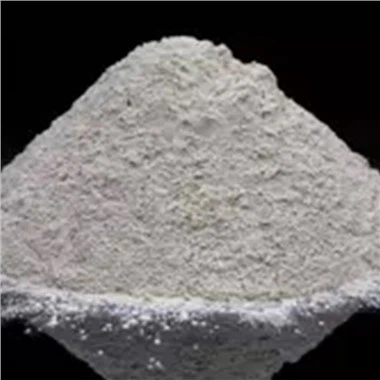
Carboxymethyl cellulose (CMC), also known as cellulose gum and classified as E466 in the European food additive system, is a versatile ingredient with a wide range of applications. As a leading supplier of Carboxymethyl Cellulose E466, I've witnessed firsthand its remarkable impact on various industries, especially in enhancing the anti - caking properties of powders. In this blog, I'll delve into the science behind how CMC E466 contributes to preventing powder caking and its significance in different sectors.
Understanding Powder Caking
Before we explore the role of CMC E466, it's essential to understand what powder caking is. Powder caking is a common problem in many industries, including food, pharmaceuticals, and cosmetics. It occurs when individual powder particles aggregate to form larger clumps, which can lead to issues such as poor flowability, uneven distribution, and reduced product quality.
The main factors contributing to powder caking are moisture absorption, temperature changes, and mechanical stress. Moisture can act as a binder between powder particles, causing them to stick together. Temperature variations can lead to the formation of liquid bridges between particles through processes like condensation and evaporation. Mechanical stress, such as vibration or compression during storage and transportation, can also promote particle aggregation.
How Carboxymethyl Cellulose E466 Works as an Anti - Caking Agent
1. Moisture Management
One of the primary ways CMC E466 prevents powder caking is by managing moisture. CMC is a hydrophilic polymer, which means it has an affinity for water. When added to a powder, it can absorb and hold moisture within its structure. Instead of allowing the moisture to form liquid bridges between powder particles, CMC traps the water molecules, preventing them from causing aggregation.
Moreover, CMC can form a protective film around the powder particles. This film acts as a barrier, reducing the rate of moisture absorption from the surrounding environment. For example, in food products like powdered soups or spices, CMC can prevent the powders from clumping due to humidity in the air.
2. Particle Separation
CMC E466 can also physically separate powder particles. When dissolved in a powder system, CMC molecules adsorb onto the surface of the particles. This adsorption creates a steric hindrance effect, where the long - chain CMC molecules prevent the particles from coming into direct contact with each other. As a result, the particles remain dispersed and free - flowing.
In pharmaceutical powders, for instance, CMC can ensure that the active ingredients and excipients remain well - mixed and do not form clumps during storage. This is crucial for maintaining the uniformity of dosage and the effectiveness of the medication.


3. Viscosity Modification
Another important mechanism is viscosity modification. CMC can increase the viscosity of the powder system when it comes into contact with moisture. This increased viscosity makes it more difficult for the particles to move and aggregate. In a powder - based cosmetic product, such as a face powder, CMC can enhance the product's stability by thickening the medium and preventing the powder from caking.
Applications in Different Industries
Food Industry
In the food industry, CMC E466 is widely used as an anti - caking agent in various powdered products. Sodium Carboxymethyl Cellulose is a common form used in food applications. It can be found in powdered milk, coffee whiteners, and baking powder. By preventing caking, CMC ensures that these products have a long shelf - life and maintain their quality.
Food Grade Powder CMC is specifically formulated to meet the strict safety and quality standards of the food industry. It is odorless, tasteless, and non - toxic, making it an ideal choice for use in food products. For example, in instant drink mixes, CMC helps to keep the powder free - flowing, allowing for easy dissolution in water.
Pharmaceutical Industry
In pharmaceuticals, the anti - caking properties of CMC E466 are crucial for ensuring the quality and efficacy of drugs. Powdered medications need to be well - dispersed and free - flowing to ensure accurate dosing. CMC can prevent the caking of active pharmaceutical ingredients (APIs) and excipients during storage and processing. This is especially important for drugs that are sensitive to moisture and temperature changes.
Cosmetics Industry
The cosmetics industry also benefits from the anti - caking properties of CMC E466. Food Grade Granular CMC can be used in powdered makeup products such as eyeshadows, blushes, and face powders. By preventing caking, CMC ensures that these products have a smooth texture and can be easily applied. It also helps to maintain the product's appearance and color stability over time.
Quality and Supply of Carboxymethyl Cellulose E466
As a supplier of Carboxymethyl Cellulose E466, we are committed to providing high - quality products. Our CMC is produced using advanced manufacturing processes that ensure consistent quality and performance. We have strict quality control measures in place to meet the specific requirements of different industries.
We offer a variety of CMC products, including different grades and viscosities, to suit the diverse needs of our customers. Whether you need a food - grade powder for a beverage mix or a pharmaceutical - grade CMC for a drug formulation, we can provide the right solution.
Contact for Procurement
If you are looking for a reliable supplier of Carboxymethyl Cellulose E466 for your anti - caking needs, we would be delighted to hear from you. Our team of experts can provide you with detailed information about our products, including technical specifications, application guidelines, and pricing. We are dedicated to building long - term partnerships with our customers and ensuring their satisfaction. Contact us today to start a procurement discussion and discover how our CMC products can enhance the quality of your powders.
References
- Davidson, R. L. (1980). Handbook of Water - Soluble Gums and Resins. McGraw - Hill.
- Peppas, N. A., & Bures, P., & Leobandung, W., & Ichikawa, H. (2000). Hydrogels in pharmaceutical formulations. European Journal of Pharmaceutics and Biopharmaceutics, 50(1), 27 - 46.
- Rhodes, C. T., & Williams, R. O. (2002). Pharmaceutical Dosage Forms: Powders and Granules. Informa Healthcare.