Hey there! As a supplier of Carboxymethyl Cellulose E466, I've seen firsthand how this nifty ingredient can work wonders in changing the rheological properties of fluids. So, let's dive right in and explore how it all goes down.
What's Carboxymethyl Cellulose E466 Anyway?
First off, Carboxymethyl Cellulose E466, also known as CMC Carboxymethyl Cellulose, is a modified cellulose derivative. It's made by reacting cellulose with chloroacetic acid in the presence of an alkali. This chemical reaction adds carboxymethyl groups to the cellulose backbone, which gives CMC its unique properties.
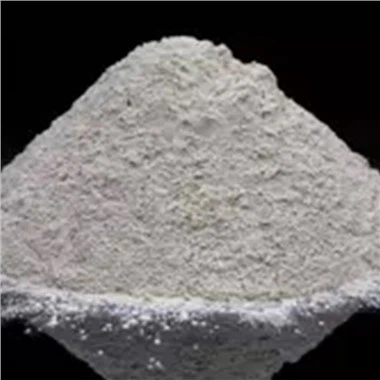
It's a white or slightly yellowish powder that's odorless and tasteless. And it's super versatile! You can find it in a whole bunch of products, from food and beverages to pharmaceuticals and personal care items.
Rheological Properties: What Are They?
Before we get into how CMC E466 changes these properties, let's quickly go over what rheology is. Rheology is the study of how materials flow and deform under the influence of external forces. In simpler terms, it's all about how thick or thin a fluid is and how it behaves when you stir it, pour it, or squeeze it.
Some important rheological properties include viscosity, shear thinning, and viscoelasticity. Viscosity is a measure of a fluid's resistance to flow. Think of honey and water. Honey has a high viscosity, so it flows slowly, while water has a low viscosity and flows easily.
Shear thinning is when a fluid becomes less viscous (thinner) as you apply more force or shear stress to it. Ketchup is a classic example. When you shake the bottle, the ketchup becomes thinner and easier to pour.
Viscoelasticity is a combination of viscous and elastic behavior. A viscoelastic fluid can flow like a liquid but also bounce back like a solid when the force is removed. Some gels and creams have viscoelastic properties.
How CMC E466 Changes Viscosity
One of the main ways CMC E466 affects fluids is by increasing their viscosity. When you add CMC to a fluid, the long chains of the CMC molecules start to interact with each other and with the molecules in the fluid. These interactions form a network structure that traps the fluid molecules and makes it harder for them to move past each other. As a result, the fluid becomes thicker and more viscous.
The degree of viscosity increase depends on a few factors, like the concentration of CMC, the type of fluid, and the temperature. Generally, the more CMC you add, the higher the viscosity will be. But there's a limit. If you add too much CMC, the fluid can become so thick that it turns into a gel or a solid.
For example, in food products like salad dressings and sauces, CMC is often used to give them a thicker, more stable consistency. It helps prevent the ingredients from separating and makes the product easier to pour and spread.
Shear Thinning with CMC E466
CMC E466 also exhibits shear thinning behavior. When you apply a shear stress to a CMC solution, the network structure formed by the CMC molecules starts to break down. The long chains of CMC are forced to align in the direction of the flow, which reduces the resistance to flow and makes the fluid thinner.
This property is really useful in many applications. In paints and coatings, for instance, shear thinning allows the paint to be easily applied with a brush or a roller. When you're applying the paint, the shear stress from the brush or roller makes the paint thinner, so it spreads smoothly. But once you stop applying the force, the paint thickens up again, which helps prevent it from dripping or running.
Viscoelasticity and CMC E466
In addition to viscosity and shear thinning, CMC E466 can also impart viscoelastic properties to fluids. The network structure formed by the CMC molecules gives the fluid some elasticity. When you stretch or deform a CMC solution, the network can store some of the energy and then release it when the force is removed.
This viscoelastic behavior is important in products like gels and creams. It gives them a nice, smooth texture and helps them hold their shape. For example, in hair gels, the viscoelasticity of the CMC helps the gel hold your hair in place while still allowing some flexibility.
Factors Affecting the Rheological Changes
As I mentioned earlier, several factors can affect how CMC E466 changes the rheological properties of fluids. Let's take a closer look at some of these factors.
Concentration
The concentration of CMC is one of the most important factors. As I said before, increasing the concentration generally leads to an increase in viscosity. But the relationship isn't always linear. At low concentrations, the increase in viscosity may be relatively small. But as the concentration gets higher, the viscosity can increase rapidly.
Degree of Substitution (DS)
The degree of substitution refers to the average number of carboxymethyl groups per glucose unit in the cellulose chain. A higher DS means more carboxymethyl groups, which can lead to stronger interactions between the CMC molecules and the fluid. This usually results in a higher viscosity and more pronounced shear thinning behavior.


pH
The pH of the fluid can also have an impact on the rheological properties. CMC E466 is more soluble and effective in a slightly acidic to neutral pH range. At very low or very high pH values, the CMC molecules may start to aggregate or break down, which can affect the viscosity and other properties.
Temperature
Temperature plays a role too. Generally, as the temperature increases, the viscosity of a CMC solution decreases. This is because the increased thermal energy makes the molecules move more freely, which weakens the interactions between the CMC molecules and the fluid.
Applications in Different Industries
The ability of CMC E466 to change rheological properties makes it a valuable ingredient in many industries.
Food Industry
In the food industry, CMC is used as a thickener, stabilizer, and emulsifier. It can improve the texture and stability of products like ice cream, yogurt, and baked goods. In ice cream, for example, CMC helps prevent the formation of ice crystals, which gives the ice cream a smoother and creamier texture.
Pharmaceutical Industry
In pharmaceuticals, CMC is used in tablets, capsules, and liquid medications. It can act as a binder, disintegrant, and suspending agent. In liquid medications, CMC helps keep the active ingredients in suspension, so they're evenly distributed throughout the solution.
Personal Care Industry
In personal care products like shampoos, conditioners, and lotions, CMC is used to adjust the viscosity and improve the texture. It can also help keep the ingredients in the product stable and prevent them from separating.
Why Choose Our CMC E466?
As a supplier of CMC E466, we take pride in offering high - quality products. Our CMC is carefully manufactured to meet strict quality standards. We have different grades of CMC available, so you can choose the one that best suits your specific needs.
Whether you need a CMC with a high degree of substitution for maximum viscosity or a low - viscosity grade for a more fluid product, we've got you covered. And our technical support team is always ready to help you with any questions or issues you might have.
If you're interested in learning more about how our CMC E466 can benefit your products or if you'd like to place an order, don't hesitate to reach out. We're here to work with you and help you create the best possible products.
Conclusion
Carboxymethyl Cellulose E466 is an amazing ingredient that can have a significant impact on the rheological properties of fluids. It can increase viscosity, cause shear thinning, and impart viscoelasticity. These properties make it useful in a wide range of industries, from food and pharmaceuticals to personal care.
If you're looking for a reliable supplier of CMC E466, we'd love to hear from you. Let's start a conversation about how we can help you take your products to the next level.
References
- Barnes, H. A., Hutton, J. F., & Walters, K. (1989). An Introduction to Rheology. Elsevier Science.
- Steffe, J. F. (1996). Rheological Methods in Food Process Engineering. Freeman Press.
- Whistler, R. L., & BeMiller, J. N. (Eds.). (1993). Industrial Gums: Polysaccharides and Their Derivatives. Academic Press.