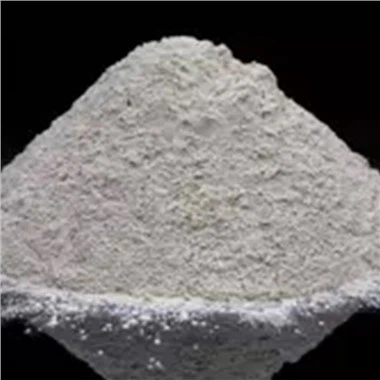
Carboxymethyl Cellulose (CMC), also known as E466, is a widely used additive in the pharmaceutical industry, especially as a binder in tablet formulations. As a supplier of high - quality Carboxymethyl Cellulose E466, I am excited to delve into how this remarkable substance acts as a binder in tablets.
Introduction to Carboxymethyl Cellulose E466
Carboxymethyl Cellulose is a cellulose derivative where some of the hydroxyl groups in the cellulose structure are substituted with carboxymethyl groups. This chemical modification imparts unique properties to CMC, making it suitable for various applications. In the food industry, it is used as a thickener, stabilizer, and emulsifier. For instance, you can find more information about Carboxymethyl Cellulose Sodium and CMC Cellulose on our website, which highlight its uses in food products. In the pharmaceutical field, its role as a binder in tablets is of particular significance.
Mechanism of Binding in Tablets
Adhesion and Cohesion
The primary function of a binder in tablets is to hold the active pharmaceutical ingredients (APIs) and other excipients together. CMC E466 achieves this through a combination of adhesion and cohesion. Adhesion refers to the attraction between the binder and the surfaces of the API particles and other excipients. The carboxymethyl groups in CMC can form hydrogen bonds with the functional groups on the surfaces of these particles. For example, if the API has hydroxyl or amino groups, the carboxymethyl groups of CMC can interact with them, creating a strong adhesive force.
Cohesion, on the other hand, is the attraction between the CMC molecules themselves. When CMC is added to the tablet formulation and a granulation process is carried out, the CMC molecules entangle with each other. This entanglement forms a three - dimensional network that holds the particles together. The degree of substitution of the carboxymethyl groups in CMC affects its cohesive properties. A higher degree of substitution generally leads to stronger cohesive forces, resulting in harder tablets.
Film - Forming Ability
Another important aspect of CMC's binding mechanism is its film - forming ability. When CMC is dissolved in a suitable solvent (usually water) and added to the tablet ingredients, it forms a thin film around the particles during the drying process. This film acts as a glue, binding the particles together. The film also provides a protective barrier for the API, which can improve the stability of the tablet. For example, it can prevent the API from reacting with moisture or oxygen in the environment.
Swelling and Gelation
CMC has the property of swelling in water. When the tablet comes into contact with moisture, either during the manufacturing process or in the body after ingestion, CMC swells. This swelling helps to further strengthen the bond between the particles. As CMC swells, it fills the voids between the particles, increasing the contact area and the binding force. In some cases, CMC can form a gel - like structure. This gel can entrap the API particles, ensuring their uniform distribution within the tablet and providing controlled release of the drug.


Factors Affecting the Binding Performance of CMC E466
Degree of Polymerization
The degree of polymerization (DP) of CMC has a significant impact on its binding performance. A higher DP means longer CMC chains. Longer chains can form more extensive networks through entanglement, resulting in stronger binding. However, very high DP can also lead to increased viscosity, which may cause difficulties in the manufacturing process, such as poor flowability of the granulated material.
Degree of Substitution
As mentioned earlier, the degree of substitution (DS) of carboxymethyl groups affects the properties of CMC. A DS in the range of 0.6 - 1.2 is commonly used in tablet formulations. A lower DS may result in weaker binding due to fewer carboxymethyl groups available for hydrogen bonding and interaction with other particles. A higher DS can enhance the solubility and swelling properties of CMC, but it may also affect the mechanical properties of the tablets.
Concentration
The concentration of CMC in the tablet formulation is crucial. If the concentration is too low, there may not be enough binder to hold the particles together, resulting in tablets with poor hardness and friability. On the other hand, if the concentration is too high, it can lead to over - binding, which may affect the disintegration and dissolution of the tablet, and also increase the cost of production.
Advantages of Using CMC E466 as a Binder in Tablets
Compatibility
CMC is highly compatible with a wide range of APIs and other excipients. It can be used in both hydrophilic and hydrophobic tablet formulations. This compatibility allows for greater flexibility in tablet design. For example, in a tablet containing a water - insoluble API, CMC can still effectively bind the particles together by forming a stable matrix.
Safety
CMC is generally recognized as safe for use in pharmaceuticals. It has low toxicity and is well - tolerated by the human body. This makes it a preferred choice for tablet binders, especially for oral medications.
Cost - Effectiveness
Compared to some other binders, CMC is relatively inexpensive. This cost - effectiveness makes it an attractive option for pharmaceutical manufacturers, especially for large - scale production. You can explore our Food Grade Granular CMC products, which also demonstrate the cost - effective nature of CMC in different applications.
Applications in Different Types of Tablets
Immediate - Release Tablets
In immediate - release tablets, CMC acts as a binder to ensure the tablet has sufficient strength during handling and storage. At the same time, its swelling and disintegration properties allow the tablet to quickly break apart in the gastrointestinal tract, releasing the API for rapid absorption.
Sustained - Release Tablets
For sustained - release tablets, CMC's gel - forming and swelling properties are utilized to control the release of the API. The gel matrix formed by CMC slows down the diffusion of the drug out of the tablet, providing a controlled and prolonged release of the medication.
Conclusion
Carboxymethyl Cellulose E466 is an excellent binder for tablets due to its unique binding mechanisms, including adhesion, cohesion, film - forming ability, swelling, and gelation. Its performance is affected by factors such as the degree of polymerization, degree of substitution, and concentration. With its advantages of compatibility, safety, and cost - effectiveness, it has wide applications in different types of tablets.
If you are in the pharmaceutical industry and are looking for a reliable binder for your tablet formulations, our high - quality Carboxymethyl Cellulose E466 products are an ideal choice. We are committed to providing you with the best - in - class products and excellent customer service. Contact us to start a procurement discussion and find the most suitable CMC solution for your needs.
References
- Aulton, M. E., & Taylor, P. K. (2013). Aulton's Pharmaceutics: The Design and Manufacture of Medicines. Elsevier.
- Rowe, R. C., Sheskey, P. J., & Quinn, M. E. (2018). Handbook of Pharmaceutical Excipients. Pharmaceutical Press.
- Martin, A., Bustamante, P., & Rodriguez - Amaya, D. B. (2016). Physical Pharmacy: Physical Chemical Principles in the Pharmaceutical Sciences. Lippincott Williams & Wilkins.