Hey there! As a supplier of Carboxymethyl Cellulose (CMC), I often get asked about how this amazing substance acts as a thickener. So, I thought I'd write this blog to share some insights on it.
What is Carboxymethyl Cellulose?
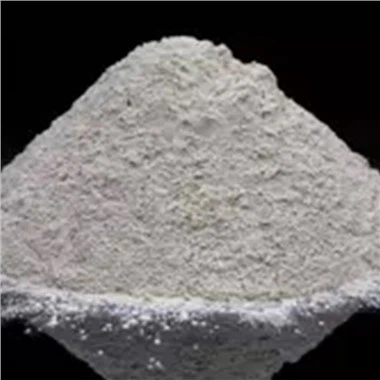
First things first, let's understand what CMC is. It's a derivative of cellulose, which is the most abundant polymer on Earth. You can find cellulose in the cell walls of plants. Through a chemical process, we can modify cellulose to create CMC. It's a white or yellowish powder that's odorless and tasteless, and it's highly soluble in water.
The Thickening Mechanism
So, how does CMC actually thicken things? Well, it all comes down to its molecular structure. CMC molecules have long chains with carboxymethyl groups attached. When you mix CMC with water, these molecules start to interact with the water molecules.
The carboxymethyl groups are hydrophilic, which means they love water. They form hydrogen bonds with water molecules, causing the CMC chains to swell and expand. As more and more CMC chains swell, they start to entangle with each other, creating a network. This network traps the water molecules within it, making the solution more viscous, or thick.
Think of it like a big bowl of spaghetti. When the spaghetti is dry, it's easy to move around. But when you cook it and it absorbs water, it gets all tangled up. The same thing happens with CMC in water. The entangled chains make it harder for the water to flow freely, and that's what gives the solution its thick consistency.


Factors Affecting Thickening
There are a few factors that can affect how well CMC acts as a thickener. One of the most important factors is the degree of substitution (DS). The DS refers to the average number of carboxymethyl groups per glucose unit in the cellulose chain. A higher DS means there are more carboxymethyl groups, which can lead to stronger interactions with water and more effective thickening.
The concentration of CMC also plays a big role. Generally, the more CMC you add to a solution, the thicker it will become. However, there's a limit to how much CMC you can add. If you add too much, the solution may become too thick and start to gel or form lumps.
The pH of the solution can also affect thickening. CMC works best in a slightly acidic to neutral pH range. If the pH is too high or too low, the carboxymethyl groups may start to break down, reducing the thickening ability of CMC.
Applications in Different Industries
CMC is used as a thickener in a wide range of industries. In the food industry, it's commonly used in products like ice cream, yogurt, and salad dressings. In ice cream, for example, CMC helps to prevent the formation of ice crystals, giving the ice cream a smoother texture. You can find high - quality Food Grade Powder CMC for such applications on our website.
In the pharmaceutical industry, CMC is used in cough syrups and other liquid medications to give them the right consistency. It also helps to keep the active ingredients in suspension, ensuring that the patient gets the correct dose.
In the cosmetic industry, CMC is used in lotions, creams, and shampoos. It helps to thicken these products, making them easier to apply and giving them a more luxurious feel.
Comparing with Other Thickeners
There are other thickeners out there, like xanthan gum and guar gum. Each thickener has its own advantages and disadvantages. Compared to some other thickeners, CMC is relatively inexpensive and widely available. It also has good stability over a wide range of temperatures and pH levels.
For example, if you're making a food product that needs to be stored at different temperatures, CMC may be a better choice than some other thickeners that may lose their thickening ability when the temperature changes.
Quality Control in CMC Production
As a supplier, we take quality control very seriously. We ensure that our CMC meets the highest standards. We test the DS, viscosity, and purity of every batch of CMC we produce. This way, our customers can be confident that they're getting a high - quality product that will work well as a thickener in their applications.
How to Use CMC as a Thickener
If you're thinking of using CMC as a thickener, here are some tips. First, make sure to dissolve the CMC properly. It's best to add the CMC slowly to the water while stirring continuously. This helps to prevent the formation of lumps.
You may also need to adjust the pH of the solution to get the best thickening results. As I mentioned earlier, CMC works best in a slightly acidic to neutral pH range.
Contact for Procurement
If you're in the market for Carboxymethyl Cellulose for your thickening needs, we're here to help. Whether you're in the food, pharmaceutical, or cosmetic industry, we have the right CMC products for you. We offer a variety of grades and specifications to meet your specific requirements.
Feel free to reach out to us to discuss your procurement needs. We can provide samples so you can test the product in your application. Our team of experts is also available to answer any questions you may have about how to use CMC effectively.
If you're also interested in other food additives, we also have Food Sucralose Powder available on our website. And for more information about our CMC products, check out Carboxymethyl Cellulose E466.
References
- Davidson, R. L., & Sittig, M. (1991). Handbook of water - soluble gums and resins. McGraw - Hill.
- Whistler, R. L., & BeMiller, J. N. (1993). Industrial gums: polysaccharides and their derivatives. Academic Press.
- O'Brien, R. D. (2009). Fats and oils: formulating and processing for applications. CRC Press.