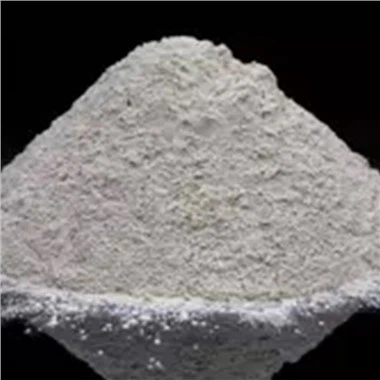
Sucralose, a well - known artificial sweetener, has gained significant popularity in recent years. As a sucralose supplier, I've encountered numerous inquiries from customers about its taste profile, specifically whether it has a bitter aftertaste. In this blog, I'll delve into the science behind sucralose and explore the topic of its potential bitter aftertaste.
The Science of Sucralose
Sucralose is a high - intensity sweetener that is approximately 400 - 800 times sweeter than sucrose (table sugar). It is derived from sugar through a multi - step chemical process that replaces three hydrogen - oxygen groups on the sugar molecule with chlorine atoms. This alteration makes sucralose non - caloric because the human body does not recognize it as a carbohydrate and does not metabolize it for energy.
The safety of sucralose has been extensively studied. Regulatory agencies around the world, including the U.S. Food and Drug Administration (FDA), the European Food Safety Authority (EFSA), and others, have approved its use in food and beverages. For more information on the safety of sucralose for diabetics, you can refer to this page: Sucralose Safe for Diabetics.
Taste Perception and Sucralose
Taste is a complex sensory experience that is influenced by multiple factors, including genetics, age, and previous exposure to different flavors. When it comes to sucralose, the general consensus is that it has a clean, sweet taste that closely mimics the taste of sugar. However, a small percentage of the population may perceive a bitter aftertaste.
Genetic factors play a significant role in taste perception. Some people are "supertasters," individuals with a higher density of taste buds on their tongues. Supertasters are more sensitive to bitter flavors and may be more likely to detect a bitter aftertaste in sucralose. Age can also affect taste perception. As we get older, our taste buds may become less sensitive, which could potentially influence how we perceive the aftertaste of sucralose.
Factors Affecting the Perception of Bitter Aftertaste
- Concentration: The concentration of sucralose in a product can impact the perception of a bitter aftertaste. At higher concentrations, there is a greater chance that some individuals may detect a bitter note. Manufacturers typically optimize the concentration of sucralose in their products to achieve the desired level of sweetness without an overpowering bitter aftertaste.
- Combination with Other Ingredients: Sucralose is often used in combination with other sweeteners or flavorings. Some ingredients may interact with sucralose and either enhance or mask the perception of a bitter aftertaste. For example, certain natural flavors can complement the sweetness of sucralose and make the overall taste more pleasant.
- Product Matrix: The type of product in which sucralose is used also matters. In beverages, the pH level, carbonation, and presence of other solutes can affect taste perception. In baked goods, the interaction between sucralose and the flour, fats, and leavening agents can influence the final taste. If you're interested in using sucralose for baking, check out this resource: Sucralose For Baking.
Industry - Wide Efforts to Mitigate Bitter Aftertaste
The food and beverage industry is constantly working to improve the taste of products containing sucralose. Scientists and flavorists are conducting research to develop new formulations and techniques to reduce or eliminate any potential bitter aftertaste.
One approach is the use of taste - masking agents. These are substances that can block or reduce the perception of bitterness on the taste buds. Another strategy is the combination of sucralose with other sweeteners in a synergistic way. For example, using a small amount of a natural sweetener like stevia in combination with sucralose can sometimes result in a more well - rounded and less bitter taste.
Customer Experiences and Feedback
As a sucralose supplier, I've received feedback from a wide range of customers, including food manufacturers, beverage companies, and individual consumers. The majority of customers are satisfied with the taste of sucralose and do not report a significant bitter aftertaste.
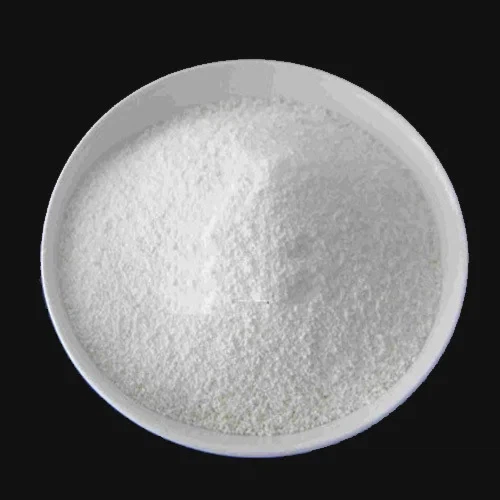
Food manufacturers appreciate the versatility of sucralose. It can be used in a variety of products, from low - calorie soft drinks to sugar - free desserts. They also value its stability under different processing conditions, such as high - temperature baking and acidic environments. Our Food Sucralose Powder is a popular choice among these manufacturers due to its high quality and consistent taste.
Individual consumers often choose sucralose as a sugar substitute for health reasons, such as managing their blood sugar levels or reducing calorie intake. Many find that sucralose allows them to enjoy sweet foods and drinks without the negative effects associated with sugar.
Conclusion
In conclusion, while a small percentage of the population may perceive a bitter aftertaste in sucralose, the vast majority of people find it to be a satisfactory sugar substitute with a clean, sweet taste. The perception of a bitter aftertaste is influenced by various factors, including genetics, concentration, and the product matrix.
The food and beverage industry is actively working to improve the taste of sucralose - containing products, and significant progress has been made in recent years. As a sucralose supplier, I'm confident in the quality and taste of our products.
If you're interested in purchasing sucralose for your food or beverage production, or if you have any questions about our products, please feel free to reach out to us. We're here to assist you in finding the best sucralose solution for your needs.
References
- Food and Drug Administration (FDA). "Sucralose: A High - Intensity Sweetener." Available at FDA official website.
- European Food Safety Authority (EFSA). "Scientific Opinion on the Re - evaluation of Sucralose (E 955) as a Food Additive."
- Bartoshuk, L. M. "Supertasters and the Perception of Bitter Taste." Chemical Senses, vol. 26, no. 7, 2001, pp. 843 - 844.