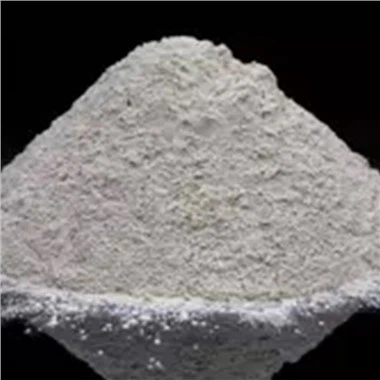
Hey there! As a supplier of Sodium Carboxymethyl, I often get asked a bunch of questions about this stuff. One question that pops up quite a bit is, "Does Sodium Carboxymethyl react with alkalis?" Well, let's dive right into it and find out.
First off, let's quickly talk about what Sodium Carboxymethyl is. Sodium Carboxymethyl, also known as Sodium Carboxymethyl, is a water - soluble polymer. It's widely used in various industries, especially in the food industry. You might have seen it in products like ice cream, where it helps to improve texture and prevent ice crystal formation. It's also used in pharmaceuticals, detergents, and even in the oil and gas industry.
Now, let's get to the main question. Does it react with alkalis? The short answer is yes, it does. Sodium Carboxymethyl contains carboxymethyl groups (-CH₂COO⁻Na⁺). When it comes into contact with alkalis, which are substances that can donate hydroxide ions (OH⁻), a chemical reaction occurs.
The reaction mechanism is relatively straightforward. The carboxymethyl groups in Sodium Carboxymethyl can react with the hydroxide ions from the alkali. The sodium ions (Na⁺) in the carboxymethyl groups can be replaced by other metal ions present in the alkali solution. For example, if we have Sodium Carboxymethyl reacting with potassium hydroxide (KOH), the sodium ions in the carboxymethyl groups will be replaced by potassium ions (K⁺). This forms Potassium Carboxymethyl and sodium hydroxide (NaOH) as a by - product.
This reaction can have some significant implications in different applications. In the food industry, for instance, if there are alkaline substances present in the food formulation where Sodium Carboxymethyl is used, the reaction can change the properties of the product. The viscosity of a food product that uses Food Grade Granular CMC (which is a type of Sodium Carboxymethyl) might be affected. The reaction can either increase or decrease the viscosity depending on the concentration of the alkali and other factors.
In the pharmaceutical industry, the reaction with alkalis can also impact the stability and effectiveness of drugs. If a drug formulation contains Sodium Carboxymethyl and there are alkaline components, the reaction might change the release rate of the active ingredients. This is something that pharmaceutical companies need to carefully consider when formulating their products.
In the oil and gas industry, Sodium Carboxymethyl is used as a viscosifier and fluid - loss control agent in drilling fluids. When these drilling fluids come into contact with alkaline formations in the wellbore, the reaction with alkalis can alter the properties of the drilling fluid. This can affect the efficiency of the drilling process and the overall performance of the well.
Another interesting aspect is the pH dependence of this reaction. The reaction between Sodium Carboxymethyl and alkalis is highly pH - sensitive. At higher pH values (more alkaline conditions), the reaction occurs more readily. As the pH increases, the concentration of hydroxide ions in the solution goes up, which promotes the reaction with the carboxymethyl groups.
The degree of substitution (DS) of Sodium Carboxymethyl also plays a role in its reactivity with alkalis. The DS refers to the average number of carboxymethyl groups per anhydroglucose unit in the cellulose backbone. A higher DS means there are more carboxymethyl groups available for reaction with alkalis. So, Sodium Carboxymethyl with a higher DS will generally react more vigorously with alkalis compared to one with a lower DS.
Now, let's talk about how we can control this reaction. If you're using Carboxymethyl Cellulose Sodium in a process where you don't want the reaction with alkalis to occur, you can adjust the pH of the solution. By keeping the pH at a lower level (more acidic conditions), you can reduce the concentration of hydroxide ions and thus minimize the reaction.
You can also choose a Sodium Carboxymethyl with a lower DS. This will reduce the number of reactive carboxymethyl groups and make the product less likely to react with alkalis. Additionally, you can use additives that can buffer the solution and prevent large changes in pH.
As a supplier of Sodium Carboxymethyl, I understand the importance of providing high - quality products that meet the specific needs of different industries. Whether you're in the food, pharmaceutical, or oil and gas industry, we have a range of Sodium Carboxymethyl products with different properties and degrees of substitution.
If you're facing issues related to the reaction of Sodium Carboxymethyl with alkalis in your application, we can work together to find the best solution. We can help you select the right product with the appropriate DS and recommend ways to control the reaction.
If you're interested in purchasing Sodium Carboxymethyl for your business, I'd love to have a chat with you. We can discuss your specific requirements, the quantity you need, and the best pricing options. Just reach out, and we can start the conversation about how our Sodium Carboxymethyl can benefit your products and processes.


References
- "Cellulose Derivatives: Chemistry, Technology, and Applications" by James N. Bemiller and Robert Whistler
- "Food Additives: Toxicology, Regulation, and Usage" by John C. Doucette