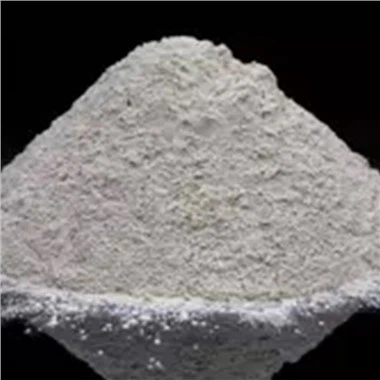
In the realm of oil and gas drilling, the rheological properties of drilling fluids play a crucial role in ensuring efficient and safe operations. High - density drilling fluids are often employed in challenging drilling environments, such as deep - well drilling or drilling through high - pressure formations. One of the additives that has gained significant attention in the industry is Polyanionic Cellulose (PAC), specifically the PAC DLV grade. As a supplier of Polyanionic Cellulose PAC DLV, I am deeply interested in exploring its impact on the rheological properties of high - density drilling fluids.

Understanding High - Density Drilling Fluids
High - density drilling fluids are designed to provide sufficient hydrostatic pressure to control formation pressures, prevent wellbore collapse, and carry cuttings to the surface. These fluids typically contain a high concentration of weighting agents, such as barite or hematite, which increase the fluid density. However, the addition of weighting agents can have a significant impact on the rheological properties of the drilling fluid, such as viscosity, yield point, and gel strength.
Viscosity is a measure of a fluid's resistance to flow. In drilling fluids, appropriate viscosity is essential for proper hole cleaning, suspension of cuttings, and prevention of fluid loss. Yield point is the minimum stress required to initiate fluid flow, and it is important for suspending cuttings when the circulation is stopped. Gel strength measures the ability of the fluid to form a gel structure when the fluid is at rest, which helps to prevent the settling of cuttings and weighting agents.
Polyanionic Cellulose PAC: An Overview
Polyanionic Cellulose is a water - soluble polymer derived from cellulose. It is widely used in the oil and gas industry as a viscosifier, fluid - loss control agent, and shale inhibitor in drilling fluids. There are different grades of PAC available, including Polyanionic Cellulose PAC LV, Polyanionic Cellulose PAC DLV, and Polyanionic Cellulose PAC DHV. Each grade has different molecular weights and degrees of substitution, which result in different rheological and functional properties.
PAC DLV is a low - viscosity grade of Polyanionic Cellulose. It is designed to provide effective fluid - loss control while maintaining relatively low viscosity in the drilling fluid. This makes it particularly suitable for applications where low - viscosity fluids are required, such as in high - density drilling fluids.
Impact on Viscosity
One of the primary concerns when using PAC DLV in high - density drilling fluids is its impact on viscosity. In general, PAC DLV is expected to have a relatively mild effect on increasing the viscosity of the drilling fluid compared to higher - viscosity grades of PAC. This is beneficial in high - density drilling fluids, as the presence of high - density weighting agents already tends to increase the viscosity.
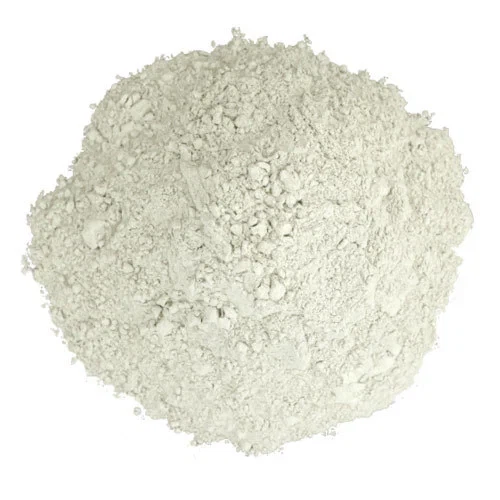
When PAC DLV is added to a high - density drilling fluid, it forms a thin film around the weighting agent particles and other solid components in the fluid. This film reduces the friction between the particles, which can help to prevent excessive viscosity buildup. At the same time, the polymer chains of PAC DLV can entangle with each other to some extent, providing a certain level of viscosity that is sufficient for cuttings suspension and hole cleaning.
Laboratory studies have shown that the addition of PAC DLV to high - density drilling fluids can result in a moderate increase in viscosity, which is well - within the acceptable range for drilling operations. The viscosity increase is more pronounced at lower shear rates, which is important for maintaining good suspension properties when the fluid is flowing slowly or at rest.
Effect on Yield Point and Gel Strength
The yield point and gel strength of high - density drilling fluids are also affected by the addition of PAC DLV. PAC DLV can increase the yield point of the drilling fluid by forming a weak gel structure. This gel structure helps to hold the cuttings and weighting agents in suspension when the fluid is not flowing.
In terms of gel strength, PAC DLV can contribute to the development of a more stable gel. When the drilling fluid is static, the polymer chains of PAC DLV interact with each other and with the solid particles in the fluid to form a three - dimensional network. This network provides the necessary strength to prevent the settling of cuttings and weighting agents. However, the gel strength developed by PAC DLV is not too high, which ensures that the fluid can be easily re - circulated when drilling operations resume.
Fluid - Loss Control
In addition to its impact on rheological properties, PAC DLV is also an effective fluid - loss control agent in high - density drilling fluids. High - density drilling fluids are often exposed to high - pressure formations, which can cause fluid loss into the formation. Fluid loss can lead to several problems, such as wellbore instability, formation damage, and increased costs due to the need to replace the lost fluid.
PAC DLV forms a thin, impermeable filter cake on the wellbore wall. This filter cake reduces the permeability of the wellbore wall and prevents the fluid from leaking into the formation. The effectiveness of PAC DLV in fluid - loss control is enhanced in high - density drilling fluids because the high - density weighting agents can help to support the filter cake and make it more stable.
Compatibility with Weighting Agents
Another important aspect is the compatibility of PAC DLV with the weighting agents used in high - density drilling fluids. PAC DLV has been found to be highly compatible with common weighting agents such as barite and hematite. It does not cause flocculation or agglomeration of the weighting agent particles, which could lead to an increase in viscosity and a decrease in the effectiveness of the drilling fluid.
In fact, PAC DLV can improve the dispersion of the weighting agent particles in the fluid. By forming a protective layer around the particles, it reduces the tendency of the particles to settle or agglomerate, which helps to maintain a uniform density throughout the drilling fluid.
Field Applications and Case Studies
In field applications, the use of PAC DLV in high - density drilling fluids has shown promising results. For example, in a deep - well drilling project, the addition of PAC DLV to the high - density drilling fluid helped to maintain stable rheological properties. The fluid had a suitable viscosity for hole cleaning, and the yield point and gel strength were sufficient to suspend the cuttings and weighting agents.
In another case, PAC DLV was used in a high - pressure formation drilling operation. The fluid - loss control provided by PAC DLV was excellent, and the wellbore remained stable throughout the drilling process. The compatibility of PAC DLV with the weighting agents also ensured that the fluid density remained consistent, which was crucial for controlling the formation pressure.
Conclusion
In conclusion, Polyanionic Cellulose PAC DLV has a significant and positive impact on the rheological properties of high - density drilling fluids. It can help to maintain an appropriate viscosity, increase the yield point and gel strength for cuttings suspension, and provide effective fluid - loss control. Its compatibility with weighting agents makes it a reliable additive for high - density drilling applications.
If you are involved in the oil and gas drilling industry and are looking for a high - quality additive to improve the performance of your high - density drilling fluids, I encourage you to consider our Polyanionic Cellulose PAC DLV. We are committed to providing the best products and technical support to meet your specific needs. Contact us for more information and to start a procurement discussion.
References
- Smith, J. "Rheological Properties of Drilling Fluids." Journal of Petroleum Engineering, 2018.
- Johnson, R. "Polyanionic Cellulose in Drilling Fluids: A Review." International Journal of Drilling Technology, 2019.
- Brown, A. "Field Applications of High - Density Drilling Fluids." Oil and Gas Journal, 2020.