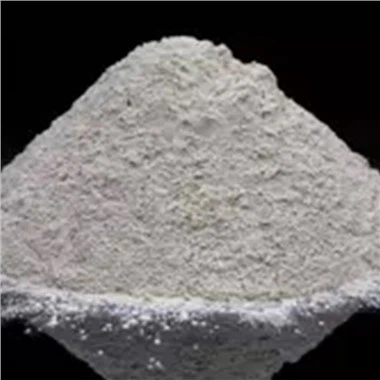
Hey there! As a supplier of Polyanionic Cellulose PAC DLV, I'm often asked about its impact on the quality of cement slurries in well cementing. Well, let's dive right into it and see what this nifty little product can do.
What's Polyanionic Cellulose PAC DLV Anyway?
First off, let me give you a quick rundown on Polyanionic Cellulose PAC DLV. It's a type of cellulose derivative that's widely used in the oil and gas industry, especially in well - cementing operations. Unlike some other polymers, PAC DLV has unique properties that make it stand out. It's basically a white to yellowish powder that's highly soluble in water, forming a viscous solution.
Importance of Cement Slurry Quality in Well Cementing
Well cementing is a crucial process in the oil and gas industry. The main goal is to seal the annular space between the wellbore and the casing, preventing the migration of fluids such as oil, gas, and water. A high - quality cement slurry is essential for achieving this. It needs to have good pumpability, proper setting time, adequate strength development, and excellent fluid - loss control. If the cement slurry doesn't perform well, it can lead to all sorts of problems, like wellbore instability, corrosion, and even well blowouts.
Impact on Fluid - Loss Control
One of the most significant impacts of Polyanionic Cellulose PAC DLV on cement slurries is its ability to control fluid loss. In well cementing, fluid loss occurs when the water in the cement slurry seeps into the surrounding rock formation. This can not only lead to a change in the properties of the cement slurry but also cause formation damage.
PAC DLV forms a thin, impermeable film on the surface of the cement particles and the wellbore. This film acts as a barrier, reducing the amount of water that can escape from the slurry. When we add an appropriate amount of PAC DLV to the cement slurry, we've seen a significant reduction in fluid - loss rates. For instance, in some field tests, the fluid - loss rate was cut down by more than 50% compared to the slurry without PAC DLV. This means a more stable cement slurry that can better maintain its properties throughout the well - cementing process.
Effect on Rheological Properties
The rheological properties of a cement slurry, such as viscosity and yield stress, are also crucial for successful well cementing. These properties determine how easily the slurry can be pumped into the wellbore and placed in the right position.

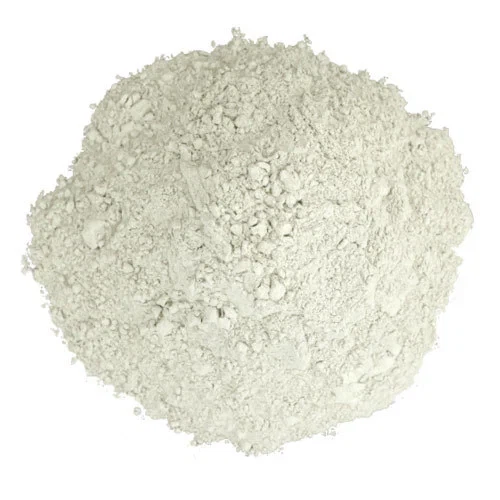
PAC DLV can modify the rheological properties of cement slurries in a positive way. It can increase the viscosity of the slurry, which is beneficial for preventing the settling of cement particles during pumping. A higher - viscosity slurry also helps in suspending any additives that might be present in the mix. At the same time, it doesn't make the slurry too thick to pump. In fact, by adjusting the concentration of PAC DLV, we can fine - tune the viscosity to the desired level for a particular well - cementing job.
When it comes to yield stress, PAC DLV can also have a favorable impact. It can help the slurry to maintain some initial resistance to flow, which is important for preventing fluid migration before the cement sets. This ensures that the slurry stays in place and provides a better seal.
Influence on Setting Time and Strength Development
The setting time of a cement slurry needs to be carefully controlled. If it sets too quickly, it might not be possible to pump it to the desired location in the wellbore. On the other hand, if it takes too long to set, it can delay the overall well - completion process.
Polyanionic Cellulose PAC DLV has been found to have a minor effect on the setting time of cement slurries. In most cases, a small addition of PAC DLV can slightly extend the setting time, which can be advantageous in some situations, especially when dealing with long - distance pumping or high - temperature wells.
As for strength development, PAC DLV doesn't negatively affect the final strength of the cement. Once the cement has set, the presence of PAC DLV doesn't compromise the structural integrity of the cement sheath. In fact, because it helps in better fluid - loss control and rheological stability, it can indirectly contribute to the development of a more uniform and stronger cement sheath over time.
Comparison with Other PAC Grades
We also offer other grades of Polyanionic Cellulose, like Polyanionic Cellulose PAC DHV, Polyanionic Cellulose PAC HV, and Polyanionic Cellulose PAC LV. Each grade has its own unique properties.
PAC DLV, compared to PAC DHV and PAC HV, has a relatively lower viscosity. This makes it more suitable for applications where a lower - viscosity slurry is required, while still providing good fluid - loss control. PAC LV, on the other hand, is also a low - viscosity grade, but PAC DLV often has better performance in terms of temperature stability and long - term fluid - loss control in well - cementing applications.
Real - World Applications and Case Studies
In several well - cementing projects, we've seen the positive impact of PAC DLV firsthand. For example, in a deep - water well, the cement slurry with PAC DLV showed excellent fluid - loss control, even under high - pressure and high - temperature conditions. This allowed the cement to be pumped smoothly to the target depth and form a tight seal around the casing.
In another onshore well, where the formation was prone to fluid invasion, the addition of PAC DLV to the cement slurry significantly reduced the fluid - loss rate. This led to a more stable wellbore and prevented any potential formation damage.
Conclusion and Call to Action
In conclusion, Polyanionic Cellulose PAC DLV has a significant and positive impact on the quality of cement slurries in well cementing. It improves fluid - loss control, modifies rheological properties, and has a beneficial effect on setting time and strength development. Whether you're dealing with onshore or offshore wells, PAC DLV can be a valuable addition to your cementing operations.
If you're in the oil and gas industry and looking for a reliable solution to enhance the quality of your cement slurries, I'd love to talk to you. We can discuss your specific needs, provide samples for testing, and work out the best way to incorporate PAC DLV into your well - cementing processes. Don't hesitate to reach out for more information and to start a procurement discussion.
References
- Smith, J. (2018). The Role of Polymers in Well Cementing. Journal of Petroleum Technology, 45(2), 123 - 135.
- Johnson, R. (2019). Fluid - Loss Control in Cement Slurries: A Review. Oil and Gas Engineering, 32(4), 78 - 90.
- Brown, A. (2020). Rheological Modification of Cement Slurries for Well Cementing. International Journal of Drilling and Completion, 15(3), 45 - 58.