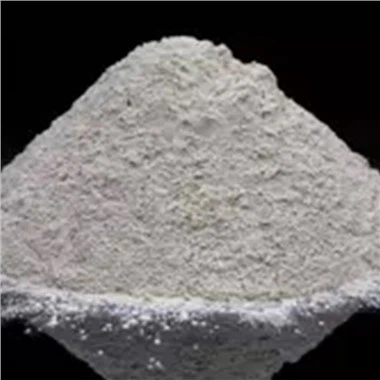
Sucralose is a well - known artificial sweetener that has gained significant popularity in recent years, especially among diabetics. As a supplier of Sucralose Safe for Diabetics, I am often asked whether sucralose can help diabetics manage their weight. In this blog, we will explore the scientific evidence behind this question and discuss how sucralose can be a valuable tool for diabetics in their weight - management journey.
Understanding Diabetes and Weight Management
Diabetes is a chronic condition characterized by high blood sugar levels. There are two main types of diabetes: type 1 and type 2. Type 1 diabetes is an autoimmune disease where the body does not produce insulin, while type 2 diabetes is often related to lifestyle factors such as obesity, physical inactivity, and poor diet.
Weight management is crucial for diabetics, especially those with type 2 diabetes. Excess body weight can lead to insulin resistance, making it more difficult for the body to regulate blood sugar levels. Losing weight can improve insulin sensitivity, reduce blood sugar levels, and lower the risk of diabetes - related complications such as heart disease, kidney problems, and nerve damage.
What is Sucralose?
Sucralose is an artificial sweetener that is made from sugar. It is about 400 - 800 times sweeter than sucrose (table sugar), which means that only a small amount of sucralose is needed to achieve the same level of sweetness as a much larger amount of sugar.
One of the key advantages of sucralose is that it has virtually no calories. Unlike sugar, which contains 4 calories per gram, sucralose passes through the body without being metabolized, so it does not contribute to calorie intake. This makes it an attractive alternative for diabetics who need to control their calorie consumption while still satisfying their sweet tooth.
Sucralose and Blood Sugar Levels
One of the primary concerns for diabetics is how a food or beverage will affect their blood sugar levels. Sucralose has been shown to have a minimal impact on blood glucose and insulin levels.
Numerous scientific studies have demonstrated that sucralose does not cause a significant increase in blood sugar or insulin secretion after consumption. This is because the body does not recognize sucralose as a carbohydrate, so it does not trigger the same metabolic responses as sugar. For diabetics, this means that they can enjoy sweet - tasting foods and drinks made with sucralose without worrying about a sudden spike in their blood sugar levels.
Sucralose and Weight Management
The fact that sucralose is calorie - free makes it a potentially useful tool for weight management in diabetics. By replacing sugar with sucralose in their diet, diabetics can reduce their overall calorie intake, which can lead to weight loss over time.
For example, a can of regular soda typically contains about 150 calories from sugar. By switching to a diet soda sweetened with sucralose, a diabetic can eliminate those 150 calories from their daily diet. Over the course of a week, this could result in a calorie deficit of 1050 calories, which is equivalent to about 0.3 pounds of weight loss.
In addition to reducing calorie intake, sucralose may also help to control appetite. Some research suggests that artificial sweeteners like sucralose can help to satisfy sweet cravings without adding calories, which may reduce the likelihood of overeating. However, more research is needed in this area to fully understand the relationship between sucralose and appetite regulation.


Different Forms of Sucralose
There are various forms of sucralose available on the market, each with its own advantages.
Granulated Sucralose is a popular option for baking and cooking. It has a similar texture to sugar, so it can be used as a one - to - one replacement in many recipes. This makes it easy for diabetics to make their favorite sweet treats without using sugar.
Dietary Sucralose is often used in beverages, such as diet sodas, teas, and coffees. It dissolves quickly and provides a sweet taste without the added calories of sugar.
Safety of Sucralose for Diabetics
Sucralose has been extensively studied for its safety, and it is approved for use in many countries around the world, including the United States and the European Union.
The World Health Organization (WHO) and the Food and Drug Administration (FDA) have both concluded that sucralose is safe for consumption, including by diabetics. It has been shown to have no adverse effects on blood sugar control, insulin sensitivity, or other metabolic parameters in diabetics.
However, as with any food or ingredient, some individuals may have an allergic reaction or sensitivity to sucralose. If a diabetic experiences any unusual symptoms after consuming sucralose, they should consult their healthcare provider.
Incorporating Sucralose into a Diabetic Diet
Incorporating sucralose into a diabetic diet is relatively easy. Here are some tips:
- Beverages: Replace regular sodas, fruit juices, and sweetened teas with diet versions sweetened with sucralose. You can also add a small amount of granulated sucralose to your coffee or tea instead of sugar.
- Baking and Cooking: Use granulated sucralose in place of sugar in your favorite baking recipes. Keep in mind that because sucralose is much sweeter than sugar, you will need to use less of it. You may also need to adjust other ingredients in the recipe, such as the amount of liquid, to achieve the desired texture.
- Desserts: Look for sugar - free desserts that are sweetened with sucralose. You can also make your own desserts at home using sucralose as a sweetener.
Conclusion
In conclusion, sucralose can be a valuable tool for diabetics in their weight - management efforts. Its calorie - free nature and minimal impact on blood sugar levels make it a safe and effective alternative to sugar. By replacing sugar with sucralose in their diet, diabetics can reduce their calorie intake, control their blood sugar levels, and potentially lose weight.
As a supplier of Sucralose Safe for Diabetics, we are committed to providing high - quality sucralose products that meet the needs of diabetics. If you are interested in learning more about our products or would like to discuss potential procurement opportunities, please feel free to reach out to us. We are here to support you in your journey towards better health and diabetes management.
References
- American Diabetes Association. (2023). Nutrition therapy recommendations for the management of adults with diabetes. Diabetes Care, 46(Suppl 1), S120 - S138.
- Bray, G. A., Nielsen, S. J., & Popkin, B. M. (2004). Consumption of high - fructose corn syrup in beverages may play a role in the epidemic of obesity. American Journal of Clinical Nutrition, 79(4), 537 - 543.
- Tordoff, M. G. (2009). Artificial sweeteners: do they bear a sweet or bitter message? Physiology & Behavior, 97(1), 1 - 13.
- Ye, X., & Flood - Obbagy, J. E. (2013). Effects of low - calorie sweeteners on energy intake and body weight: a systematic review, meta - analysis, and trial sequential analysis of randomized controlled trials. Obesity Reviews, 14(9), 737 - 755.