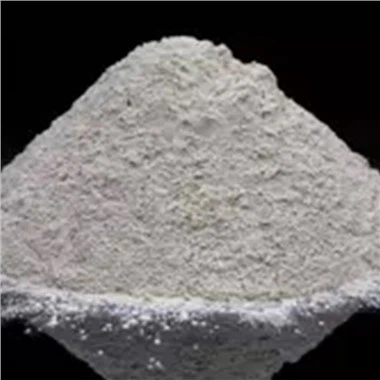
Sucralose, known by the food additive code E - 955, is a well - recognized artificial sweetener in the food industry. As a supplier of Sucralose E - 955, I'm often asked whether this sweetener can be used in cakes. In this blog, I'll explore the viability, advantages, challenges, and best practices of using Sucralose E - 955 in cake production.
The Suitability of Sucralose E - 955 for Cakes
Sweetness and Flavor
One of the primary reasons to consider Sucralose E - 955 for cakes is its intense sweetness. Sucralose is approximately 400 - 800 times sweeter than sucrose (table sugar). This means that a very small amount of Sucralose can achieve the same level of sweetness as a large quantity of sugar. When used in cakes, it can impart a clean, sweet flavor without any bitter after - taste, which is often a concern with some other artificial sweeteners. This clean sweetness allows the other flavors in the cake, such as vanilla, chocolate, or fruit, to shine through, enhancing the overall taste experience.
Health Benefits
In today's health - conscious market, the demand for low - calorie and sugar - free products is on the rise. Cakes made with Sucralose E - 955 can be a great option for consumers looking to reduce their sugar intake. Since Sucralose is a non - nutritive sweetener, it provides little to no calories. This can be particularly appealing to individuals with diabetes or those trying to manage their weight. Moreover, Sucralose does not cause a significant spike in blood sugar levels, making it a suitable choice for diabetic patients to enjoy a slice of cake.
Shelf - Life
Another advantage of using Sucralose in cakes is its impact on shelf - life. Unlike sugar, which can sometimes support the growth of microorganisms, Sucralose is not a substrate for microbial growth. This means that cakes sweetened with Sucralose may have a longer shelf - life, reducing the likelihood of spoilage and allowing for better inventory management for bakers and retailers.
Challenges of Using Sucralose E - 955 in Cakes
Baking Properties
While Sucralose is an excellent sweetener, it does not have the same physical and chemical properties as sugar. Sugar plays multiple roles in baking, including providing structure, moisture retention, and browning. When replacing sugar with Sucralose in cakes, these functions need to be compensated for. For example, sugar helps in the Maillard reaction, which gives cakes their characteristic brown color and nutty flavor during baking. Since Sucralose does not participate in the Maillard reaction, additional ingredients or techniques may be required to achieve the desired browning.
Volume and Texture
Sugar also contributes to the volume and texture of cakes. It helps in creating a fine - grained, tender texture by interfering with gluten development and providing air pockets during mixing. Without sugar, cakes may have a denser texture and reduced volume. Bakers need to adjust their recipes carefully, perhaps by adding ingredients like starch or using specific leavening agents, to ensure that the cake has the right texture and volume when using Sucralose.
Best Practices for Using Sucralose E - 955 in Cakes
Recipe Adjustment
When substituting sugar with Sucralose in a cake recipe, it's important to make appropriate adjustments. First, calculate the correct amount of Sucralose based on its sweetness intensity. As a general rule, start with a small amount and taste the batter to adjust the sweetness as needed. To compensate for the lack of moisture - retaining properties of sugar, add extra liquid such as milk or water to the batter. You can also add ingredients like applesauce or yogurt, which not only provide moisture but also contribute to the tenderness of the cake.
Browning Agents
To achieve the desired browning effect, consider using browning agents. Molasses or honey can be added in small amounts to the batter. These ingredients contain reducing sugars that can participate in the Maillard reaction. Another option is to use a caramel colorant, which can give the cake a natural - looking brown color.


Leavening Agents
Since Sucralose does not have the same impact on the leavening process as sugar, you may need to adjust the amount of leavening agents. For example, increasing the amount of baking powder or baking soda slightly can help the cake rise better. Make sure to follow the instructions on the leavening agent package to avoid over - or under - leavening.
Case Studies: Successful Use of Sucralose E - 955 in Cakes
Many bakeries have successfully incorporated Sucralose E - 955 into their cake recipes. For instance, a small artisanal bakery decided to offer a sugar - free chocolate cake to cater to their diabetic and health - conscious customers. They adjusted their recipe by adding extra cocoa powder for flavor, a bit of molasses for browning, and increasing the amount of baking powder. The result was a delicious, low - calorie chocolate cake that received rave reviews from their customers.
Another example is a large - scale bakery that produces a line of sugar - free pound cakes. They use a blend of Sucralose and other natural sweeteners to achieve a balanced flavor. By carefully adjusting the moisture, texture, and browning, they have been able to maintain the same high - quality standards as their regular sugar - containing cakes, and the sugar - free pound cakes have become a popular choice in their product range.
Resources and Further Reading
If you're interested in learning more about Sucralose in baking, you can visit the following links:
- Sucralose in Baking: This page provides detailed information on how Sucralose behaves in the baking process and offers some useful tips for bakers.
- Food Sucralose Powder: Here you can find out more about the product specifications of our Food Sucralose Powder and its applications in different food products.
- Sucralose Composition: This link offers in - depth knowledge about the composition of Sucralose and its chemical properties.
Conclusion
In conclusion, Sucralose E - 955 can indeed be used in cakes, but it requires careful consideration and recipe adjustment. With its high sweetness, health benefits, and positive impact on shelf - life, it offers a viable alternative to sugar. By following the best practices and learning from successful case studies, bakers can create delicious, low - calorie cakes that meet the demands of today's market.
If you're a baker, food manufacturer, or simply someone interested in using Sucralose E - 955 in your cake production, I encourage you to reach out to us. We are here to provide you with high - quality Sucralose E - 955 and offer technical support to help you achieve the best results in your baking. Contact us to start a discussion about your procurement needs, and let's work together to create amazing cakes.
References
- "Food Additives: Properties, Applications and Health Effects" edited by Marcus A. Smith and Sarah E. Johnson, 2020.
- "Baking Science and Technology" by David P. Manning, 2018.
- Journal of Food Science and Technology articles on artificial sweeteners in baking.