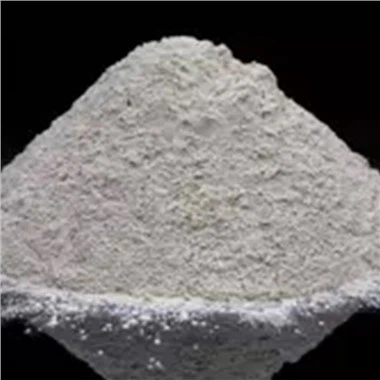
Sucralose, a well - known artificial sweetener, has caught the attention of both the general public and the diabetic community due to its sweetness and perceived safety. As a passionate supplier of Sucralose Safe for Diabetics, I am often asked whether sucralose can be used in diabetic soups. In this blog, we will delve into the relevant scientific aspects to address this question.
What is Sucralose?
Sucralose is a high - intensity sweetener that is approximately 400 - 800 times sweeter than sucrose. It was discovered in 1976 and has since been approved for use in numerous countries. Its chemical structure is unique; it is a chlorinated derivative of sucrose. For more detailed information about its composition, you can visit Sucralose Composition.
The production process of sucralose involves replacing three hydroxyl groups in the sucrose molecule with chlorine atoms. This modification not only gives sucralose its intense sweetness but also changes its metabolic properties compared to regular sugar. Since it is not metabolized in the same way as carbohydrates, it can provide a sweet taste without significantly affecting blood sugar levels, which is a crucial feature for diabetics.
How Does Sucralose Affect Diabetics?
Diabetes is a metabolic disorder characterized by abnormal blood sugar regulation. For diabetics, managing blood glucose levels is of utmost importance. Regular sugar (sucrose) is quickly broken down into glucose and fructose in the body, leading to a rapid increase in blood sugar levels. In contrast, sucralose is not absorbed and metabolized in the same manner.
Numerous studies have shown that sucralose has a minimal impact on blood glucose and insulin levels. When consumed, most of the sucralose passes through the body unchanged and is excreted in the feces and urine. This means that diabetics can enjoy the sweet taste of sucralose without worrying about sudden spikes in blood sugar.
A study published in the "Diabetes Care" journal conducted experiments on diabetic patients. Participants were given sucralose in different doses, and their blood glucose and insulin responses were monitored. The results indicated that there were no significant changes in blood sugar or insulin secretion, suggesting that sucralose is a safe option for diabetics.
Using Sucralose in Diabetic Soups
Soups are a staple in many diets, and for diabetics, they can be a healthy and nutritious choice. However, some soups, especially those with natural ingredients like vegetables, may have a slightly bitter or sour taste. Adding a touch of sweetness can enhance the flavor and make the soup more palatable.
When using sucralose in diabetic soups, it is important to note that a little goes a long way. Because sucralose is so much sweeter than regular sugar, only a tiny amount is needed to achieve the desired level of sweetness. For example, if a recipe calls for one tablespoon of sugar, you would only need a fraction of a gram of sucralose.
There are different forms of sucralose available, such as Pharmaceutical Sucralose Powder. The powder form is easy to dissolve in soups and can be added at any stage of the cooking process. You can add it when you are heating the soup on the stove or even sprinkle a bit on top before serving.
Another advantage of using sucralose in soups is that it does not contribute to the calorie count. This is beneficial for diabetics who are often on a calorie - controlled diet. By using sucralose instead of sugar, they can enjoy a sweet - tasting soup without adding extra calories, which helps in weight management, a key aspect of diabetes control.
Safety and Regulatory Approval
Sucralose has been extensively studied for its safety. It has received approval from major regulatory bodies around the world, including the U.S. Food and Drug Administration (FDA), the European Food Safety Authority (EFSA), and the World Health Organization (WHO). The Joint FAO/WHO Expert Committee on Food Additives (JECFA) has also established an acceptable daily intake (ADI) for sucralose, which is 15 mg per kilogram of body weight per day.
In Europe, sucralose is known as Sucralose E955. The E - number system is used to identify food additives that have been approved for use in the European Union. This approval further attests to the safety of sucralose for consumption.

Some concerns have been raised about the long - term effects of artificial sweeteners, including sucralose. However, the vast majority of scientific research has shown that sucralose is safe for long - term use. A meta - analysis of multiple studies on sucralose safety concluded that there is no evidence to suggest that it causes cancer, metabolic disorders, or other adverse health effects.
Quality of Our Sucralose Products
As a supplier of Sucralose Safe for Diabetics, we take pride in the quality of our products. Our sucralose is produced under strict quality control standards. We source the raw materials from reliable suppliers and use advanced production techniques to ensure the purity and safety of our sucralose.
Our team of experts conducts regular tests on the products to meet the highest quality requirements. We understand the importance of providing a safe and effective sweetening option for diabetics, and we are committed to maintaining the trust of our customers.
Conclusion and Call to Action
In conclusion, sucralose can indeed be used in diabetic soups. Its low - calorie nature, minimal impact on blood sugar levels, and high - intensity sweetness make it an excellent choice for enhancing the flavor of soups without compromising the health of diabetics.
If you are a food manufacturer, a chef, or an individual looking for a reliable sucralose supplier for diabetic products, you have come to the right place. We are eager to discuss your specific needs and provide you with high - quality sucralose products. Contact us to start a procurement discussion, and let's work together to create delicious and healthy diabetic - friendly food.
References
- Diabetes Care. (Year of study). "The effect of sucralose on blood glucose and insulin levels in diabetic patients."
- Joint FAO/WHO Expert Committee on Food Additives (JECFA). (Year). "Acceptable daily intake of sucralose."
- Meta - analysis on sucralose safety. (Year). "Long - term safety of sucralose: A comprehensive review."